
Last updated November 15, 2026
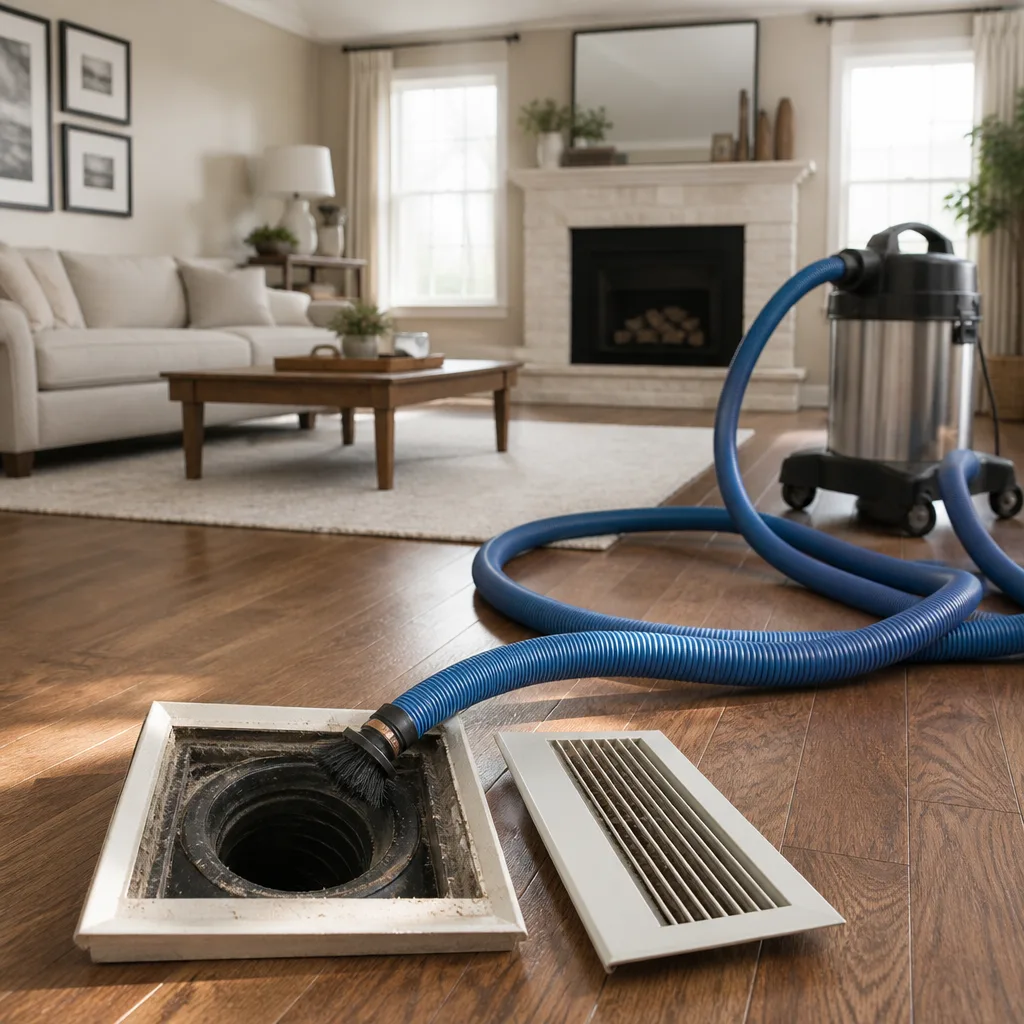 Whole-home duct cleaning
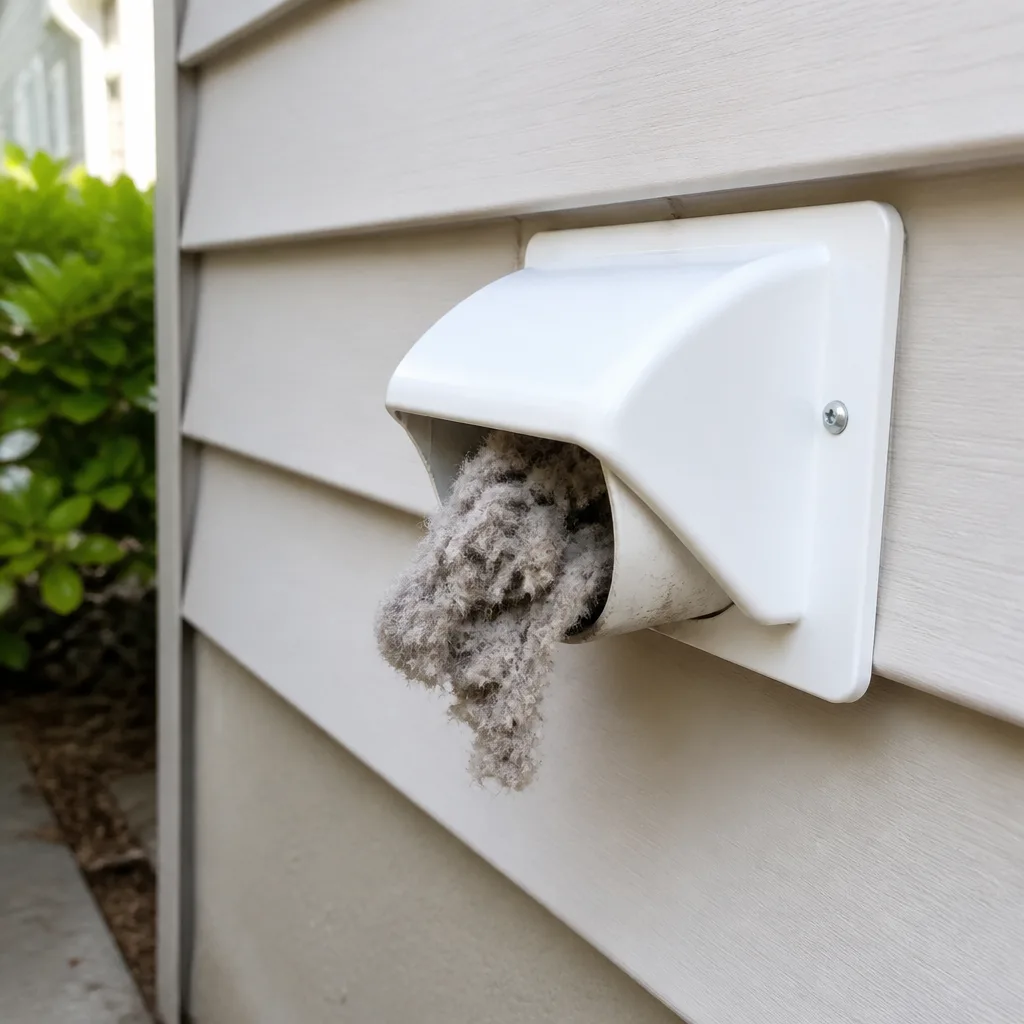 Dryer vent cleaning
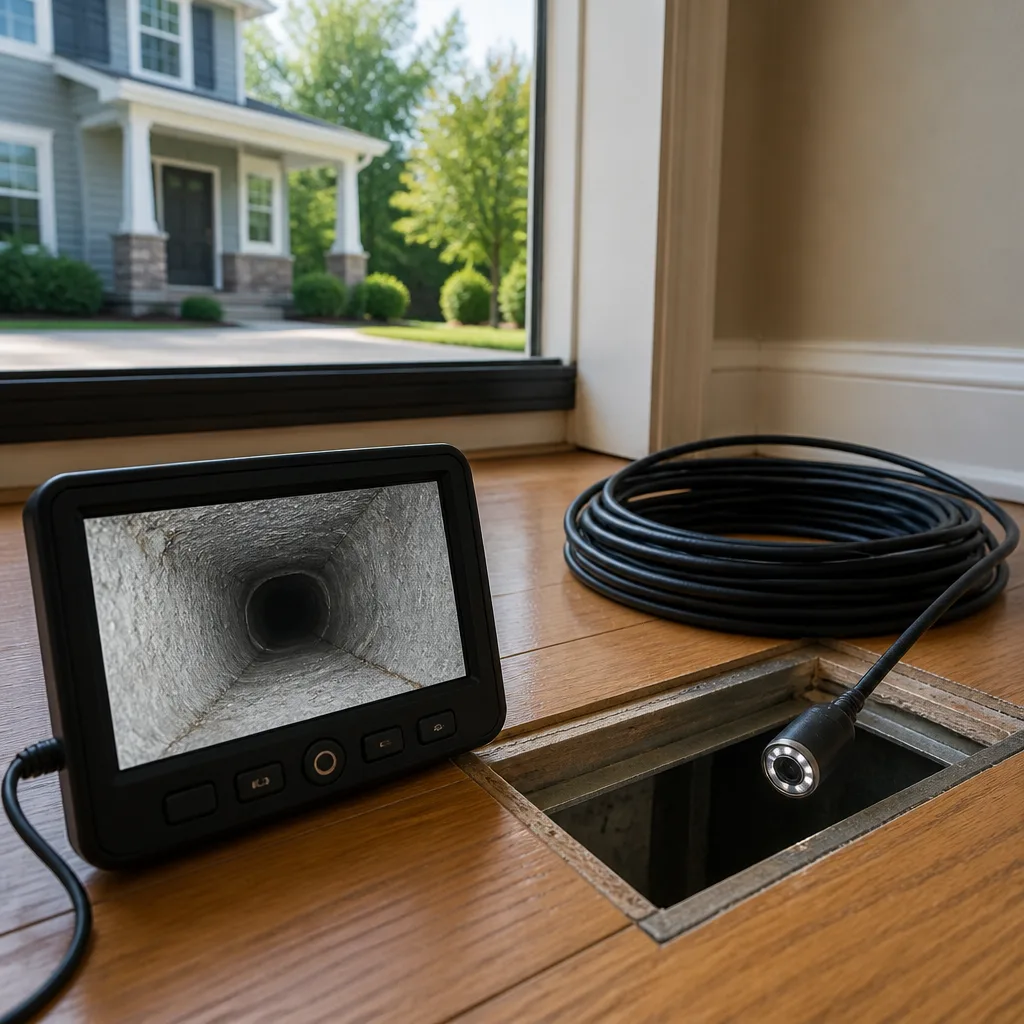 Camera inspection
 Sanitizing & deodorizing
Whole-system duct and dryer vent check with before-and-after photos - you see exactly what came out of your vents
That "$99 whole-house special" is a bait ad - the real number appears once they are in your hallway, or the "clean" is a shop-vac at the register. We photograph the inside of your ducts before and after instead.
Air Duct Cleaning Troubleshooting in Gainesville: Common Problems and How to Fix Them
A musty smell that shows up after a duct cleaning isn’t proof the job worked. It’s often proof something was missed, or that the wrong equipment was used to begin with. Most homeowners in Gainesville assume any duct problem is a cleaning problem, then get surprised when a second cleaning doesn’t fix the smell, the weak airflow or the room that never warms up. Ducts fail in specific, diagnosable ways, and reading those symptoms correctly before anyone shows up is the difference between a real fix and a repeat invoice. This guide teaches you to read your system’s signals the way a technician does.
Quick Answer
Before you call anyone, separate the symptom into one of three buckets: airflow, odor or temperature. Weak airflow at one register usually points to a crushed or disconnected duct run rather than a dirty blower. A musty smell that returns after cleaning usually points to moisture and inadequate extraction, not stubborn dust. Uneven room temperatures often mean a duct design or damper problem that no amount of cleaning will solve. Getting the bucket right first saves you from paying for the wrong service.
Styles & brands we work with
- Whole-home duct cleaning
- Dryer vent cleaning
- Camera inspection
- Sanitizing & deodorizing
Table of Contents
- How to Tell a Duct Problem From an HVAC Mechanical Problem
- What Weak Airflow at Specific Registers Actually Means
- Why Odors Come Back After a Cleaning
- How Florida Humidity Turns Ducts Into a Moisture Problem
- When Repair, Not Cleaning, Is the Real Fix
- What a Thorough Cleaning Should Actually Involve
- Safe Checks You Can Do Yourself
How to Tell a Duct Problem From an HVAC Mechanical Problem
The first fork in the road is the one most people skip. A dirty duct is a contamination problem. A failing air handler, a bad blower capacitor or a refrigerant issue is a mechanical problem. Both make your home uncomfortable in similar ways, but only one responds to cleaning. Diagnose the wrong one and you’ve spent money on a service that addresses nothing.
Here’s the technician’s mental checklist, in order:
- Is the problem everywhere or in one zone? A system-wide drop in airflow usually points to the air handler, the filter or the blower. A single weak register points to that specific duct run.
- Does the air feel cold but weak at the vent? Cold-but-weak means the system is cooling but delivery is blocked. Warm-but-strong means the opposite: the equipment isn’t keeping up.
- Is the noise coming from the vents or from the closet? Whistling at a register means a restriction downstream. Rattling or humming from the air handler means a mechanical or electrical fault.
- Does the smell change with the season or only when the system runs? A smell tied to system operation is inside the duct system. A smell that’s present whether the fan runs or not is usually a room-side issue.
In Gainesville, we see a lot of systems where the real problem is a clogged filter combined with restricted return air, not contamination in the supply ducts. The homeowner calls for a cleaning, expecting the answer, but the honest answer is a filter change and a look at the return. That’s why we inspect first and clean second. A technician who quotes a cleaning before they’ve seen your air handler is guessing.
The practical takeaway: if you can describe your problem in terms of where the symptom lives, a technician can tell you whether you’re looking at an airflow, contamination or mechanical diagnosis before the visit is booked.
What Weak Airflow at Specific Registers Actually Means
Weak airflow at one register while the others feel fine is the most common complaint we investigate. The good news: it’s also one of the easiest things to explain, because the causes are physical and specific. The bad news: none of them are fixed by cleaning.
Here’s what a single weak register usually indicates:
- A crushed or kinked flex duct run. Flexible ductwork gets pinched during renovations, under insulation, or where it runs over a joist. A pinch can reduce airflow dramatically.
- A disconnected joint. The duct may have popped apart at a collar or a branch fitting, dumping conditioned air into a wall cavity or attic instead of your room.
- A partially closed damper. Many systems have manual dampers in the branch runs. If someone closed one during a balancing attempt and forgot it, that register stays weak.
- An oversized room for a single supply. A converted garage or an addition with one 6-inch supply often can’t handle the load. This is a design problem, not a delivery problem.
- A leak in the return side. If the return is drawing air from a hot attic instead of the house, every vent suffers, but some rooms feel it more.
What’s not on this list: a slightly dirty duct. Dust buildup inside a duct reduces volume at the margins, but a normal accumulation won’t starve a room. When we see weak airflow that the homeowner blames on dust, we’re usually finding a crushed run or a leaking joint, not a heavy debris load. That’s the difference between a duct cleaning sale and an honest repair recommendation.
Our technicians have up to 9 years of experience reading these systems, and the most important thing that experience buys you is the discipline to look for the mechanical cause before suggesting the cleaning. If you want the full picture of what a proper cleaning involves once we’ve confirmed that’s actually the issue, our air duct cleaning page lays out the process step by step.
Worth knowing: in Gainesville’s newer subdivisions, flex duct is everywhere, and flex is the most common pinch point. In older neighborhoods closer to campus, we see more rigid metal trunk-and-branch systems where the failures are usually at the joints and the boots rather than in the duct itself.
Why Odors Come Back After a Cleaning
A musty or dusty smell that returns within days of a cleaning is one of the clearest diagnostic signals in this trade. It usually means one of two things: the contamination wasn’t actually removed, or the moisture source that fed it is still active. Both point to the same lesson, which is that equipment choice matters more than the technician’s effort.
Here’s the mechanism. Dust, skin cells, pet dander and sometimes mold spores coat the inside of duct walls. A shop vacuum or a handheld brush loosens the surface layer but leaves the adhered film some distance up every branch run, because the tool can’t reach it and the vacuum can’t pull it. Within days, the remaining film re-releases the same smell. This is why you can’t judge a cleaning by how much the technician carried out. You have to judge it by what was left behind.
The equipment that solves this is a rotating brush system riding a negative-air vacuum. A professional-grade rotary brush, like the Rotobrush system we use, has the reach and the agitation to strip the adhered film off the duct wall, and a high-capacity negative-air machine, like our Nikro equipment, holds the dislodged material in a contained stream instead of letting it blow back into the living space. During the cleaning, an Abatement Technologies filtration setup catches fine particulate at the entry point, so your rooms don’t get dusted with what just came out of the ducts.
If you’ve had a cleaning and the smell came back, the useful questions to ask are simple:
- Was a rotary brush or a shop vacuum used on the branch runs?
- Was there negative air pressure holding the debris, or was air being pushed around?
- Was every register opened and cleaned, or only the main trunk?
- Was the moisture source checked, or only the smell treated?
If you can’t answer those questions, the smell coming back isn’t mysterious. It’s mechanical.
When the smell is moisture, not dust
The other common cause is active moisture. If the smell is sharper, more like a damp basement than a dusty closet, suspect a wet spot inside the system. That could be a condensate leak, a duct run in a humid crawlspace that’s pulling moisture, or a supply register sweating in the Gainesville heat. Cleaning a wet duct system without addressing the water is a temporary fix at best. We always trace the moisture before we treat the odor.
How Florida Humidity Turns Ducts Into a Moisture Problem
Gainesville’s climate creates duct conditions that most general cleaning advice doesn’t account for. Summer humidity here sits high for months, and that changes what’s growing inside the system and what it takes to remove it. A duct that stays dry in a drier climate may support mold growth here, especially when the air conditioner runs hard and the ducts sweat.
Where moisture gets in:
- Condensation on cold metal surfaces. When the AC runs hard in humid air, the interior of rigid metal ducts and the boots at the registers can condense. That film is enough to feed growth.
- Crawlspace and attic runs. Ductwork routed through a humid, unconditioned space picks up moisture. In Gainesville’s older homes, that run is often the one with the worst contamination.
- Return-side leaks. A return that draws humid attic air into the system raises the whole duct’s humidity, which changes the answer from “dust” to “growth.”
- Filter neglect. A clogged filter reduces airflow, which reduces drying, which keeps the interior damp. It’s a self-reinforcing problem.
What that means for the fix: brushing alone isn’t the answer for a humid-climate duct problem. The work has to include mechanical removal of the growth and its food source, real extraction so the dislodged material leaves the system, and a look at why the moisture was there in the first place. If a company treats your Florida duct system like a dust-only job, you’ll see the problem return.
We also look at the components interacting with the duct system. Homes with higher-end controls and humidification setups, including Honeywell and Aprilaire systems, need those components checked as part of the same visit, because a failed humidistat or a clogged inline filter can be feeding the moisture problem. And a dirty evaporator coil upstream of the ducts will keep re-seeding whatever you clean downstream. The duct, the coil and the air handler are one system, and treating one in isolation rarely fixes the symptom the homeowner actually called about.
The seasonal pattern to watch
In Gainesville, the transition into summer is when humidity-related duct complaints spike. That’s also the best time to inspect, because you can catch moisture problems before a full season of running the system cements them into the duct wall. A late-spring inspection is worth more than a late-summer cleaning.
When Repair, Not Cleaning, Is the Real Fix
Cleaning removes contamination. Repair restores the physical integrity of the duct system. Homeowners often ask for a cleaning when the real problem is structural, and a reputable company should tell you so before quoting a cleaning.
Here are the symptoms that point to repair rather than cleaning:
- Rattling or banging at a specific register when the system starts. That’s a loose duct section moving under pressure, not a dirt problem.
- Air blowing from a gap at a boot or a joint. If you can feel air leaking around a supply register’s edge, the connection is failing, and a cleaning won’t seal it.
- A room that never matches the others despite cleaning. That’s a damaged or disconnected run, and the fix is reconnection or rebalancing.
- Dust settling on a horizontal surface directly below a register. That can be a dust problem, but it can also be a leak pulling attic dust into the supply stream.
- A visible sag or tear in accessible flex duct. If you can see the damage in the attic or crawlspace, repair is the primary fix.
Duct repair is one of our three core services, alongside cleaning and dryer vent cleaning, and we look for the repair need during the cleaning inspection. That’s the value of having one company handle the full duct picture rather than a generalist who cleans and then refers you to someone else for the fix.
One more thing worth saying plainly: ductwork is not a DIY repair. Cutting into a sealed duct run, sealing joints with the wrong material or trying to reconnect a branch run in a hot attic is where small mistakes turn into bigger ones. If you’ve found damage, have it handled by a trained professional.
Want the full picture of how repair fits with the rest of our work in the area? Our Gainesville page explains how we approach systems in this market.
What a Thorough Cleaning Should Actually Involve
The skeptical homeowner’s real question is a fair one: how do I know the work was done? The answer is that a thorough cleaning has a visible process and a documentable result. You don’t need to take anyone’s word for it.
Here’s what a properly equipped cleaning looks like, step by step:
- Inspection first. Every register is opened and looked at before any equipment is set up. Camera inspection of the trunk and main branches shows what’s actually there.
- Negative air established. A high-capacity vacuum like our Nikro machine is connected to the trunk and sealed, creating a containment pull through the entire system.
- Filtration at the entry point. Abatement Technologies filtration captures fine particulate so the living space isn’t dusted during the work.
- Rotary brush every branch run. The Rotobrush rotary brush is run through the trunk and every branch to agitate the adhered material off the duct wall.
- Registers and boots cleaned. Supply and return registers, boots and grilles come off and get cleaned, not just the duct behind them.
- Before-and-after photos taken. Photos of your ducts, not stock images, showing what was there before and what’s there after.
- One flat price agreed before work starts. Nothing is added after the technician’s truck is in the driveway. The written estimate is the price.
We clean, we repair, we clear dryer vents, and we do each one with the same standard. Our technicians have up to 9 years of experience, and the equipment list is public because it’s the strongest evidence we can offer. A shop vacuum and a stiff brush is not the same job, no matter what the invoice says.
What to ask before you book anyone
- What equipment will be used on the branch runs, not just the main trunk?
- Will I get before-and-after photos of my own system?
- Is the price per system or per vent?
- Will you inspect for moisture and damage before cleaning?
If the answers are vague, that tells you what you need to know.
Safe Checks You Can Do Yourself
You can identify most duct problems without touching the inside of the system. These checks are safe and tell you what kind of help you need.
- Change or check the filter. A clogged filter mimics almost every duct symptom. If it’s gray and matted, replace it before doing anything else and see what changes.
- Feel airflow at every register. Note which registers are weak and whether the weakness is always there or only when certain rooms are in use.
- Listen at startup. Note where the rattle, whistle or bang comes from. The location is diagnostic.
- Look for dust streaks or dark shadows near boots. Marks around a register often signal a leak at the joint rather than dirt in the duct.
- Note the smell in each room separately. A pattern helps narrow down whether you’re dealing with a moisture issue or a contamination one.
- Look for visible moisture. Condensation on a register, a damp spot near a return, or a musty smell only in one zone all point to a moisture problem worth mentioning when you call.
What you should not do is open the plenum, cut into flex duct or reach into the air handler to clean it. The air handler contains electrical components and, in many systems, components that should only be touched by a trained technician. Reading your symptoms is enough.
Common Mistakes to Avoid
- Assuming every symptom is a cleaning problem. Weak airflow and cold rooms are usually mechanical or design issues, not a dirt problem. Get the diagnosis right before booking.
- Judging a cleaning by how much debris came out. The volume of debris in the vacuum bag tells you nothing about what was left on the duct walls. Ask for photos of the duct interior, before and after.
- Chasing the lowest quote. A very low price almost always means a shop vacuum and a brush. Ask what equipment will be on the truck before you compare prices.
- Treating a humid-climate duct like a dry-climate duct. In Gainesville, moisture is part of the diagnosis. A cleaning that ignores it will be undone within a season.
- Skipping the filter change after cleaning. A new cleaning and a loaded filter is a waste of the first one. Replace the filter when the work is done.
- Ignoring the dryer vent. Dryer vents aren’t part of the HVAC duct system, but they’re the same fire-safety conversation. A clogged dryer vent is a leading cause of residential fires, and it needs to be cleaned as a safety service, not as an afterthought to a duct cleaning.
- Signing off before the work is photographed. The before-and-after photos are your proof the work happened. Ask for them and keep them.
See the difference
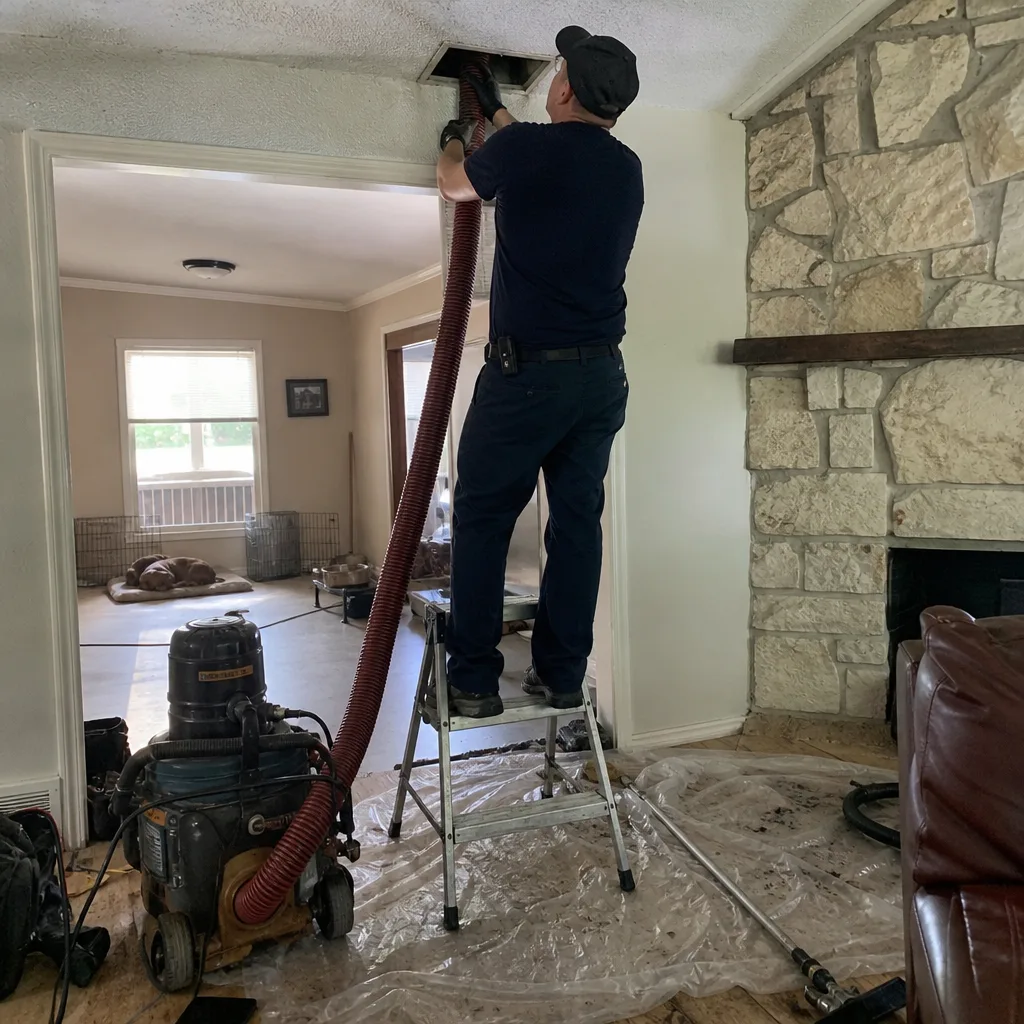 Before
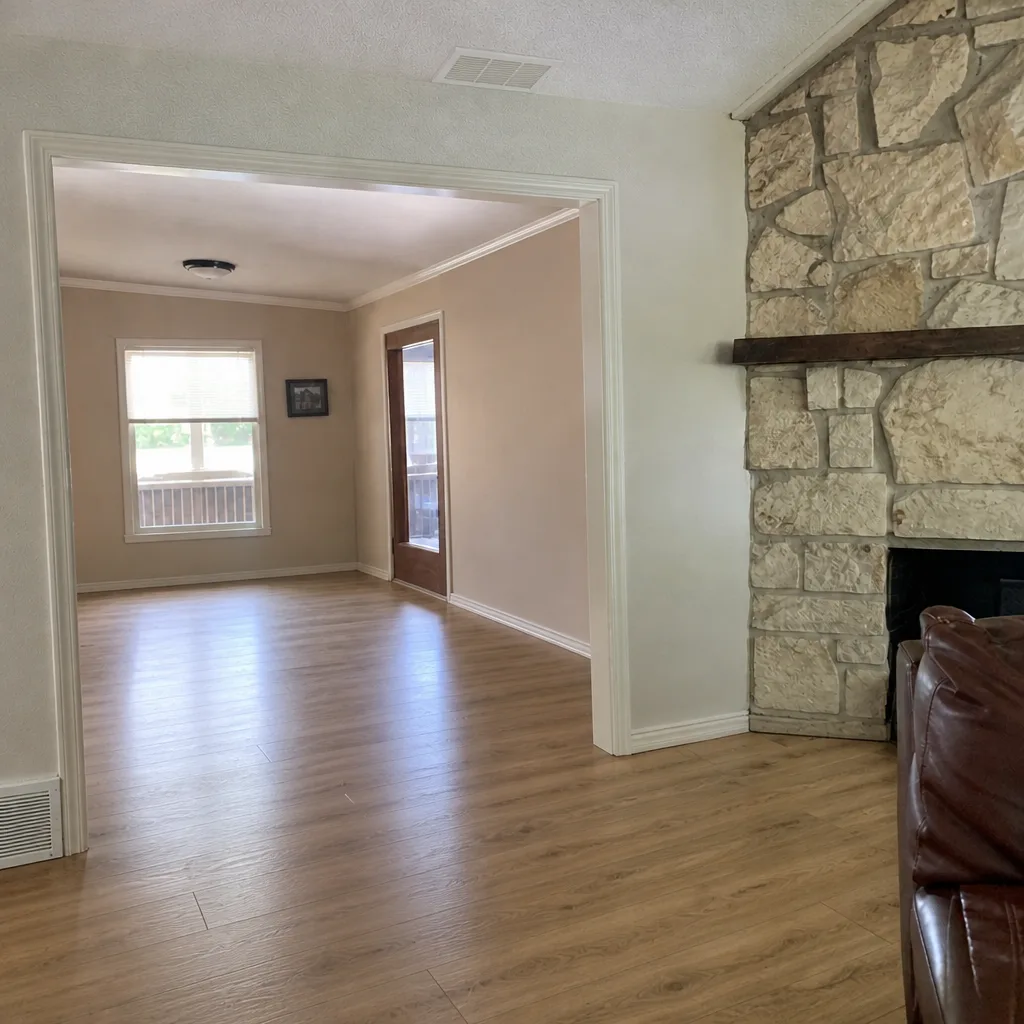 After
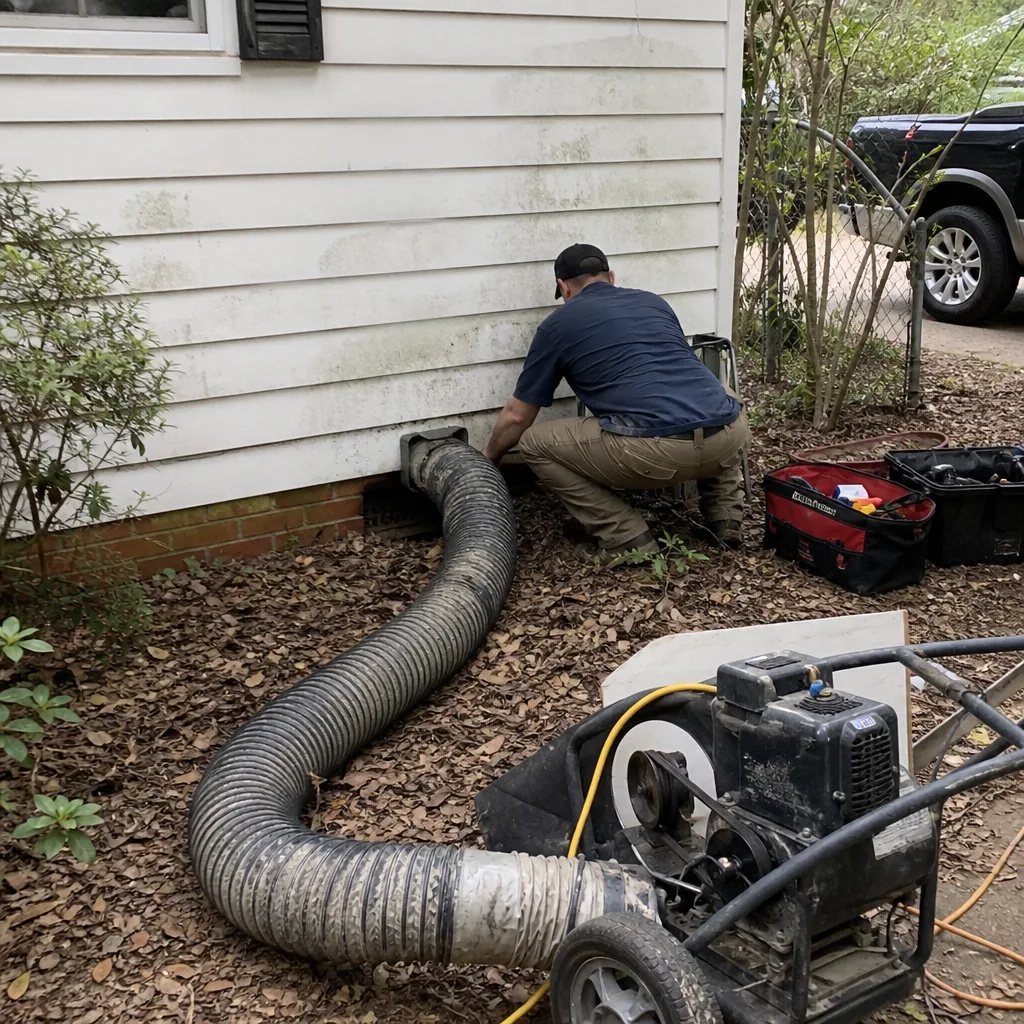 Before
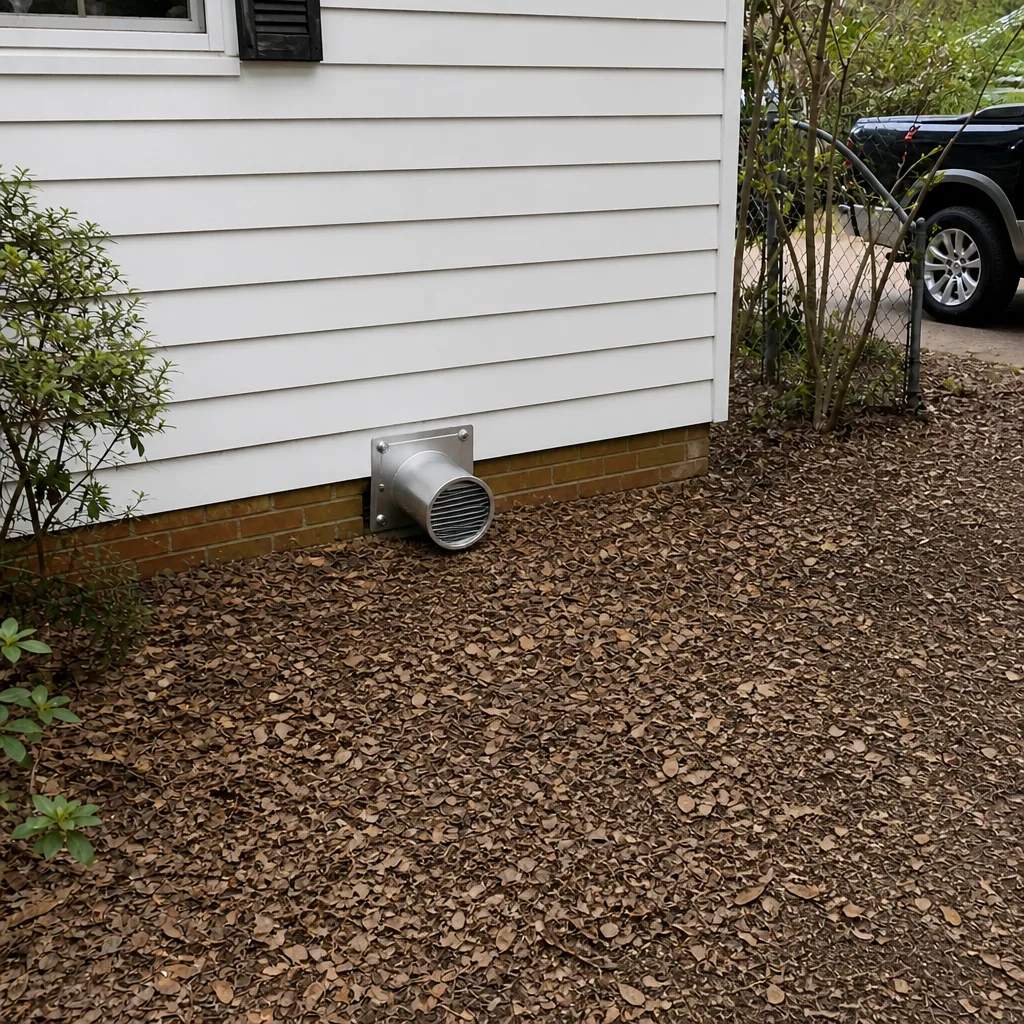 After
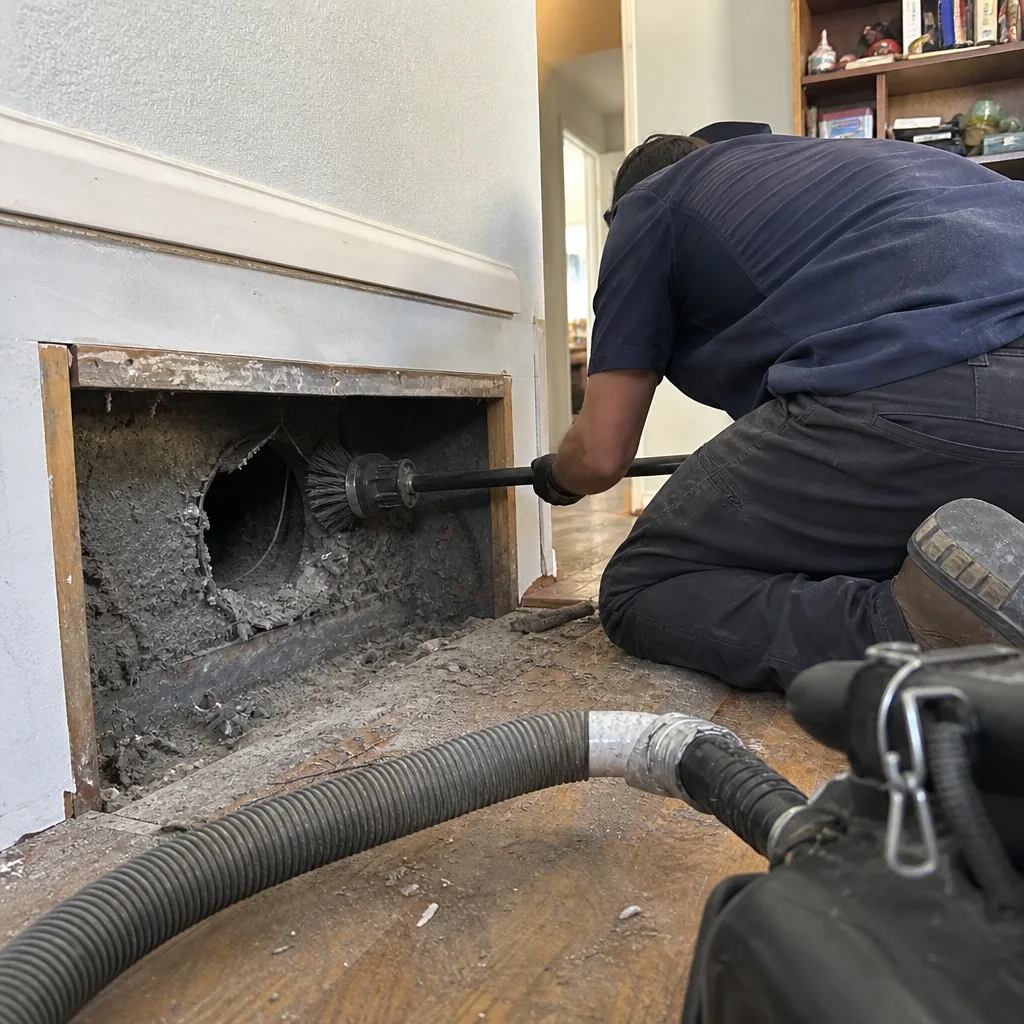 Before
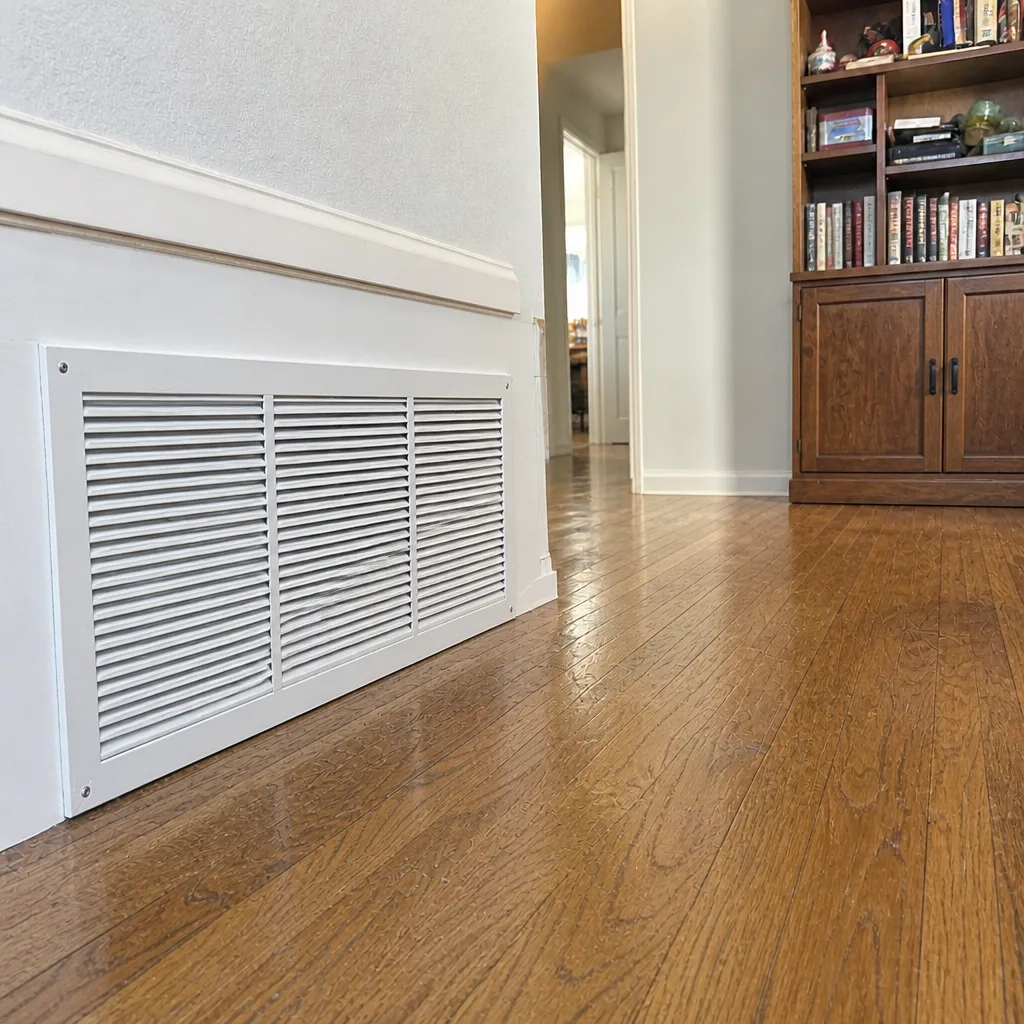 After
When to Call a Professional
Some symptoms are worth watching for a week. Others warrant a call now. Call a professional if you see visible mold or moisture inside a duct, if a musty smell persists after a cleaning, if a room loses airflow suddenly, if you can see a disconnected or crushed duct run, or if the dryer vent hasn’t been checked and the dryer is taking longer to dry loads. Also call if you’ve moved into a home and don’t know when the ducts were last cleaned; an inspection answers the question without a commitment. Air duct cleaning, duct repair and dryer vent cleaning are all work for trained hands with the right equipment, and the diagnosis matters as much as the cleaning. Holloway Air Duct Cleaning offers free estimates in Gainesville. We answer 24/7, with fast dispatch from 7am to 7pm, Sunday through Friday. Call us to book an inspection.
Frequently Asked Questions
Check the filter first and see whether the symptom is system-wide or limited to one register. A single weak register or a cold room points to a duct problem (a pinch, a leak or a disconnected run). System-wide weak airflow or a system that runs constantly points to an equipment problem. If you can’t tell, an inspection settles it. Call (855) 408-4151 for an exact quote; estimates are free.
Usually because the contamination wasn’t fully removed or a moisture source is still active. A shop vacuum and hand brush leave adhered film on the duct walls, and that film re-releases the smell within days. A rotary brush with real negative-air extraction strips the wall and removes the material. If moisture is the cause, that has to be traced first. Call (855) 408-4151 and we’ll look at both.
Sometimes, but usually not. Cleaning improves overall air quality, but a room with weak airflow typically has a crushed run, a partially closed damper or a disconnected joint behind it. The fix is repair or rebalancing. A cleaning doesn’t open a pinched duct. We inspect first so you don’t pay for the wrong job.
It depends on the home. Homes with pets, recent renovations or visible contamination benefit most from a cleaning, and in Gainesville’s humidity we inspect moisture-prone ducts more often than dry-climate guidance suggests. There’s no universal schedule. An inspection is the honest way to find out. Call (855) 408-4151 to book one.
Usually because the equipment is cheaper. A shop vacuum and a hand brush cost a fraction of a rotary brush system and a negative-air machine. Ask what equipment will be used before comparing prices. A per-vent price is also a red flag; whole-system work should be quoted as one flat price per system, agreed in writing before work starts.
Ask for before-and-after photos of your own ducts, taken during the job, not stock photos. A proper cleaning also opens every register and cleans the boots and grilles, not just the main trunk. If a company can’t show you the inside of your ducts before and after, don’t take it on faith. Call (855) 408-4151 to see what we document.
In many cases, yes. Repair and cleaning are handled by the same company here, which is one of the reasons we keep both on our service list. The inspection determines the order: repair the damage, then clean, so the cleaning isn’t undone by a leak. Ask for a written estimate showing both.
No. It’s a separate system and a separate fire-safety service. A clogged dryer vent is a leading cause of residential fires, and it deserves its own inspection rather than being tacked onto a duct cleaning for a quick price bump. Call (855) 408-4151 to book dryer vent cleaning on its own.
The Bottom Line
Most duct problems homeowners try to diagnose turn out to be one of three things: a mechanical issue in the HVAC equipment, a physical problem in the duct runs, or a moisture problem that no cleaning alone will fix. Read your symptoms in that order. Check the filter, note where the problem lives, and separate contamination from delivery. Once the diagnosis is right, the fix is straightforward, and the equipment used on the job is the clearest signal of whether you’re getting a real cleaning or a surface pass. In Gainesville’s humidity, getting the moisture question answered first protects both your wallet and your indoor air.
Call (855) 408-4151 for a free estimate. We answer 24/7. Fast dispatch from 7am to 7pm, Sunday through Friday.
Written by the team at Holloway Air Duct Cleaning.