
Last updated November 15, 2026
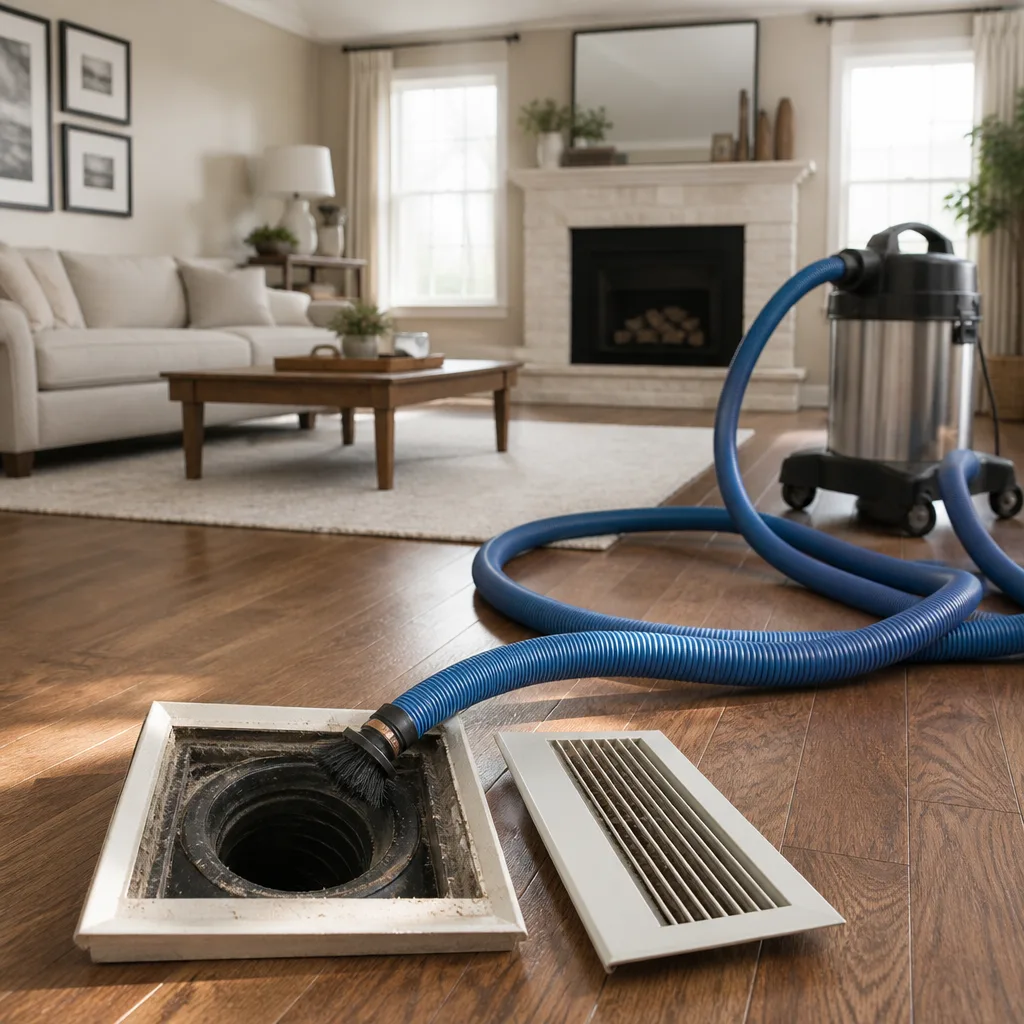 Whole-home duct cleaning
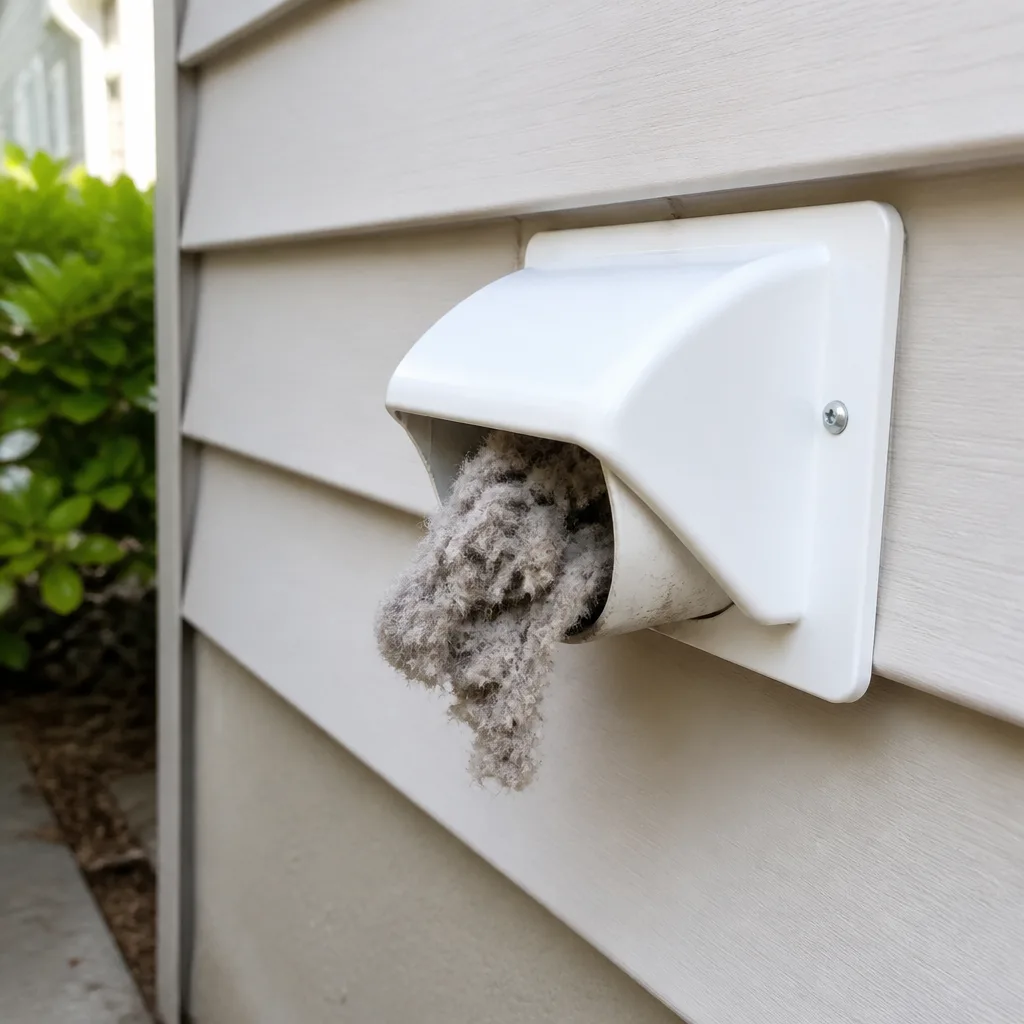 Dryer vent cleaning
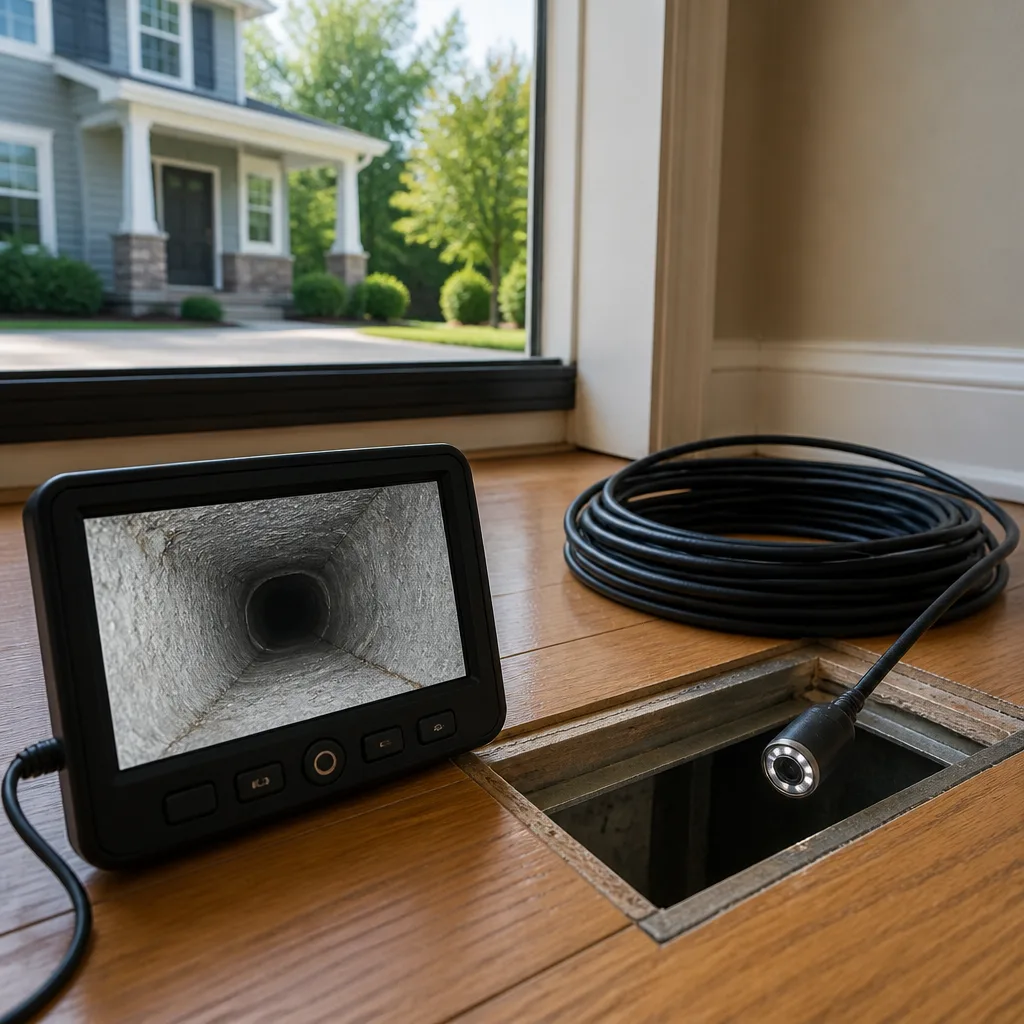 Camera inspection
 Sanitizing & deodorizing
Whole-system duct and dryer vent check with before-and-after photos - you see exactly what came out of your vents
That "$99 whole-house special" is a bait ad - the real number appears once they are in your hallway, or the "clean" is a shop-vac at the register. We photograph the inside of your ducts before and after instead.
Air Duct Cleaning Warning Signs: A Gainesville Homeowner’s Reference Guide
Most homeowners wait for something dramatic before they think about their ducts. Visible black mold around a register. Airflow that drops to nothing. A smell so strong the whole house notices. Those are real, but by the time they show up, the problem has usually been building for years. The subtler signs are the ones worth learning: a musty odor that fades after ten minutes of runtime is a very different problem from one that never fades, and treating them the same way is how people end up paying for a cleaning when the real issue is a drain pan or an evaporator coil. This guide connects each warning sign to its likely mechanical source. We’ll walk through what each symptom means in Gainesville’s particular climate and housing.
Quick Answer
The main air duct cleaning warning signs are persistent musty odors that don’t clear after the system runs, dust that reappears at registers within days, uneven airflow between rooms, whistling or rattling at vents, dark streaking around supply registers, condensation on vents during summer, and a rising energy bill that can’t be explained by weather or rate changes. Any one of these is worth investigating. Two or more showing up together usually points to debris, biological growth, or leakage inside the duct system itself rather than a filter problem.
Styles & brands we work with
- Whole-home duct cleaning
- Dryer vent cleaning
- Camera inspection
- Sanitizing & deodorizing
Table of Contents
- Smell Diagnostics: What Three Different Odors Actually Tell You
- Airflow Symptoms and What They Mean
- Reading Your Registers: What Dust Patterns Reveal
- Gainesville’s Humidity and Biological Warning Signs
- The Rising Energy Bill Pattern
- A Three-Step Self-Inspection You Can Do Today
- Common Mistakes to Avoid
- When to Call a Professional
Smell Diagnostics: What Three Different Odors Actually Tell You
If you only troubleshoot one symptom, make it smell. Odors are immediate, specific, and hard to ignore. But the key diagnostic detail isn’t what the smell is – it’s when you notice it. That timing narrows down the source more than anything else you can observe from outside the equipment.
Musty odor that persists during runtime
This is the big one. A musty, damp-basement smell that starts the moment the system kicks on and doesn’t fade after 10 to 15 minutes usually points to biological growth somewhere in the air path – the duct liner, the insulation on the interior of the ducts, the evaporator coil, or the drain pan beneath it. In Gainesville, where the cooling season runs long and the system is removing enormous amounts of moisture from the air, the drain pan and coil are the most common culprits. If those components aren’t draining cleanly, they become a wet, dark surface where biological growth takes hold. The ducts themselves may be perfectly clean while the coil above them feeds a steady stream of musty air into every room. Cleaning the ducts without addressing the coil means the smell comes right back.
Musty odor that fades after 10 minutes
A smell that appears briefly at startup and then clears is usually residue sitting in the ducts or at the air handler – dust that’s collected during the off cycle and gets picked up the moment airflow resumes. This still needs attention, but it usually means cleaning and possibly repair. It rarely points to an active biological problem. The distinction matters because the two problems have different solutions and different costs.
Burning dust smell during the first heat cycle
That first heat run in autumn or on a cold morning often produces a hot, dusty smell. That’s accumulated dust on the heat exchanger burning off. Normal, and it clears within a few cycles. If it returns every time the heat runs or lingers through the heating season, the buildup is heavier than it should be, or the system has restricted airflow feeding the burn-off. A dust smell that arrives with every start and never fully disappears is worth investigating. Combustion-related or chemical smells that seem to come from the equipment itself are a separate safety matter and should be checked right away.
Chemical or plastic odor
A sharp, synthetic smell with a faint off-gassing quality is different from all of the above. That often traces to deteriorating duct liner – the insulation coating on the inside of the ducts breaking down or separating. It’s not a cleaning problem, it’s a repair problem, and it should be identified accurately before anyone starts cleaning.
Airflow Symptoms and What They Mean
Airflow problems are the second most reliable warning sign, but they’re also where homeowners misdiagnose the source. Weak airflow from a register can mean duct restriction, equipment failure, filter saturation, or a damper that’s been left in the wrong position. The pattern of symptoms across the house separates these.
Weak register output in specific rooms
If two rooms are fine and one is weak, the issue is almost always localized – a partially closed damper, a crushed or disconnected length of duct, a joint that’s slipped apart, or debris blocking one run. Widespread weakness across all rooms points upstream: a dirty filter, a failing blower, an evaporator coil clogged with debris, or severe restriction in the main trunk line. Knowing which pattern you have tells a technician where to look first, before any cleaning happens.
Whistling at a supply or return register
Whistling is pressure. Air forced through a register that’s too small for the volume, or a duct with a partial restriction, produces that high-pitched sound. Whistling at one register often means the duct serving it is undersized, crushed, or partially blocked. It can also indicate that the system’s total static pressure is out of balance because other runs are restricted. Cleaning can help if the restriction is debris. If the duct is crushed or disconnected in a wall cavity, you need a repair, not a cleaning.
Uneven room pressure
If a door closes with a slight push, or a room feels like it’s being pressurized while another feels starved, the duct system isn’t delivering balanced air. In a Gainesville home with attic runs, this is often a duct repair signature – a disconnect, a run that’s been terminated early, or a crushed section behind a knee wall. Airflow issues like these rarely fix themselves, and they don’t get better from cleaning if the run itself is compromised.
Rattling or popping at startup
Duct metal expands and contracts with temperature changes and pressure variation. Light popping at startup is common and usually harmless. Loud rattling or banging that happens repeatedly as the system cycles often means loose ductwork, a disconnected fitting, or debris bouncing through the run. Worth looking at before it becomes a bigger problem.
Reading Your Registers: What Dust Patterns Reveal
Your supply and return registers are the visible end of a mostly invisible system. What accumulates there – and how fast – is one of the most honest indicators of what shape the ducts are in. You don’t need equipment to check this. You need to look at the right things.
- Dust reappearing within days of wiping. If you clean a register cover, and within a handful of days a fresh layer of gray or light-brown dust settles back, that dust is coming from inside the duct or from an intake that’s pulling it in. Filter changes alone don’t stop this if the duct itself is loaded.
- Dark, gray-black streaking around register edges. Fine dark residue that collects at the corners of a register, especially in bathrooms or rooms with high humidity, can indicate biological growth – not just dust. On its own, it’s soft evidence. Paired with musty odor, it’s stronger.
- Visible clumps or fibers at the register face. Small bunches of lint, fiberglass strands, or gray fluff gathered at the register grille suggest material shedding off the duct interior or debris from a disconnected line.
- Return grille loading. Return registers that fill faster than supply registers indicate a system pulling more dust out of the living space than it should – often from a filter that’s been passing fine particles or a return run that’s open to a dirty space.
- Uniform dust on all surfaces in one room only. Dust that settles heavily in a single room points to that room’s supply run – a disconnected duct in the attic or a compromised register seal.
If a new register appears in a room that hasn’t been remodeled, or a register is discolored in a single room while others are clean, note it. These are the kind of details that help a technician diagnose in minutes what would otherwise take a longer inspection.
We clean duct systems across Gainesville, and the register patterns we see most often there follow a clear logic: older homes with attic ductwork, long cooling seasons, and heavy pollen months. If you’re seeing fresh dust reappear at the same registers week after week, that’s the system telling you the ducts are the source, not the living space.
Gainesville’s Humidity and Biological Warning Signs
North Central Florida has a long, humid cooling season, and that climate creates conditions for specific warning signs you won’t see in drier regions. When the air conditioning runs for eight or nine months out of the year, the system is doing constant moisture removal – which means constant condensation on cold surfaces, and constant opportunity for biological growth where that condensation doesn’t drain or dry properly.
Dark streaking around supply registers
A soft, smoky shadow that develops around the edges of a supply register – especially in bathrooms, laundry rooms, and rooms near the air handler – is worth taking seriously. That pattern suggests humidity-driven growth on the register frame or the immediate duct surface. If the streaking spreads, or if it feels slightly damp to the touch, it’s a stronger signal that mold or mildew is establishing on a wet surface. That’s a sign not just to clean, but to identify where the moisture is coming from.
Condensation on supply vents in summer
Air conditioning makes cold air. Cold air makes cold duct surfaces. In Gainesville’s summer, the humidity in a typical attic or unconditioned space is high enough that a cold duct without proper insulation – or with damaged or missing insulation – will sweat. Water beads on the register face itself or drips from the duct insulation outside. That condensation is not normal and not harmless. It’s the mechanism by which biological growth starts inside ductwork. Every time the duct sweats, it gives the growth a fresh source of moisture.
When it’s mold, not just dust
Dark coloring inside a register can be simple dust accumulation, especially on return registers that face a busy room. But if the color spreads, has a slight green or brown tint, accompanies a musty smell, or appears in a room where furniture or wallpaper is also showing signs of moisture damage, treat it as biological until proven otherwise. Do not scrub it from inside the duct vent with household cleaners. Ask a professional to inspect the duct interior – the right lens and lighting make the answer obvious in a way it never is from the outside. And do not seal a register with plastic or tape; that traps moisture and makes the situation worse.
The Rising Energy Bill Pattern
Energy bills move for many reasons: rate changes, seasonal swings, family size, thermostat habits. But there’s a specific pattern worth paying attention to with duct systems. If your bill is climbing, your usage habits haven’t changed, and the weather hasn’t been unusually severe, start looking at the duct system.
What a rising bill alongside symptoms usually means
A compromised duct system either leaks air or restricts it, and both cost you money. Leaky ducts in an attic or unconditioned crawl space lose cooled air before it reaches the room, so the system runs longer to hit the set temperature. Restricted ducts force the blower to work harder and reduce effective airflow, again increasing runtime. Both patterns appear as a gradual upward drift in monthly usage, usually over months, not days. Homeowners who catch this early often discover it alongside one of the other symptoms in this guide – uneven airflow, a room that never quite cools, or dust reappearing at registers.
In our experience, a duct system that’s leaking or heavily restricted is one of the most common causes of rising energy costs in a home that otherwise shows no other changes. Before assuming it’s time for a new air conditioner, it’s worth ruling out the ducts. Cleaning, sealing, and repair together often resolve the pattern. Cleaning alone won’t fix leakage if the ducts are physically compromised.
What you’ll notice before you see the bill
- The system runs longer per cycle without drop in temperature
- One or two rooms stay warmer than the rest even when the system is running hard
- The thermostat reading and the room temperature feel out of sync
- You’ve adjusted the setpoint downward and the house just doesn’t catch up
Any of these, alongside a rising bill, suggests looking at the duct system before looking anywhere else. A thorough air duct cleaning with a proper inspection is often the fastest way to rule out debris and identify where the restriction or leakage is actually located.
A Three-Step Self-Inspection You Can Do Today
These three steps take about 15 minutes and require no tools. They won’t tell you everything, but they’ll tell you whether the signs justify a professional inspection.
- Walk every room with the system running. Put your hand near each supply register. Note which feel strong, which feel weak, and which whistle. Compare rooms you use regularly to rooms you rarely enter. Uneven output matters more than absolute strength.
- Look at register faces and the surrounding wall for dark streaks or fresh dust. Wipe one register cover clean and check it again in three days. Fresh dust at that rate means the duct is the source.
- Check the filter and the return grille. A filter that’s loaded ahead of schedule, or a return grille that’s visibly darkened, tells you the living space is pulling in more debris than usual – often because the ducts are passing it along.
Write down what you find. When you call for a professional estimate, giving the technician those specific observations – which rooms are weak, which registers streak, when the smell appears – helps the diagnosis happen faster than an inspection from scratch.
How Much Does Air Duct Cleaning Cost in Gainesville?
Whole-system cleaning in the Gainesville market typically runs from about $350 to $650 for a standard single-family home, based on the number of runs, the system’s condition, and accessibility of the ductwork. Larger homes, systems with heavy debris, or additional returns push toward the upper end. Repair of disconnected or damaged runs is quoted separately once the technician sees what’s actually wrong. The final price is set by the written estimate prepared before any work begins.
- Standard single-family home, whole-system cleaning: typically $350 – $650
- Cleaning plus duct repair (disconnected or damaged run): quoted per job after inspection
- Dryer vent cleaning (separate service): quoted per job; treated as its own fire-safety service
We price by the whole system, one flat price per system agreed before work starts, not per vent. A per-vent structure punishes the homeowner with a normal-sized house and hides the real total until the work is halfway done. Photo documentation before and after shows you exactly what was inside the ducts and what came out. That’s the standard to hold any operator to in Gainesville.
See the difference
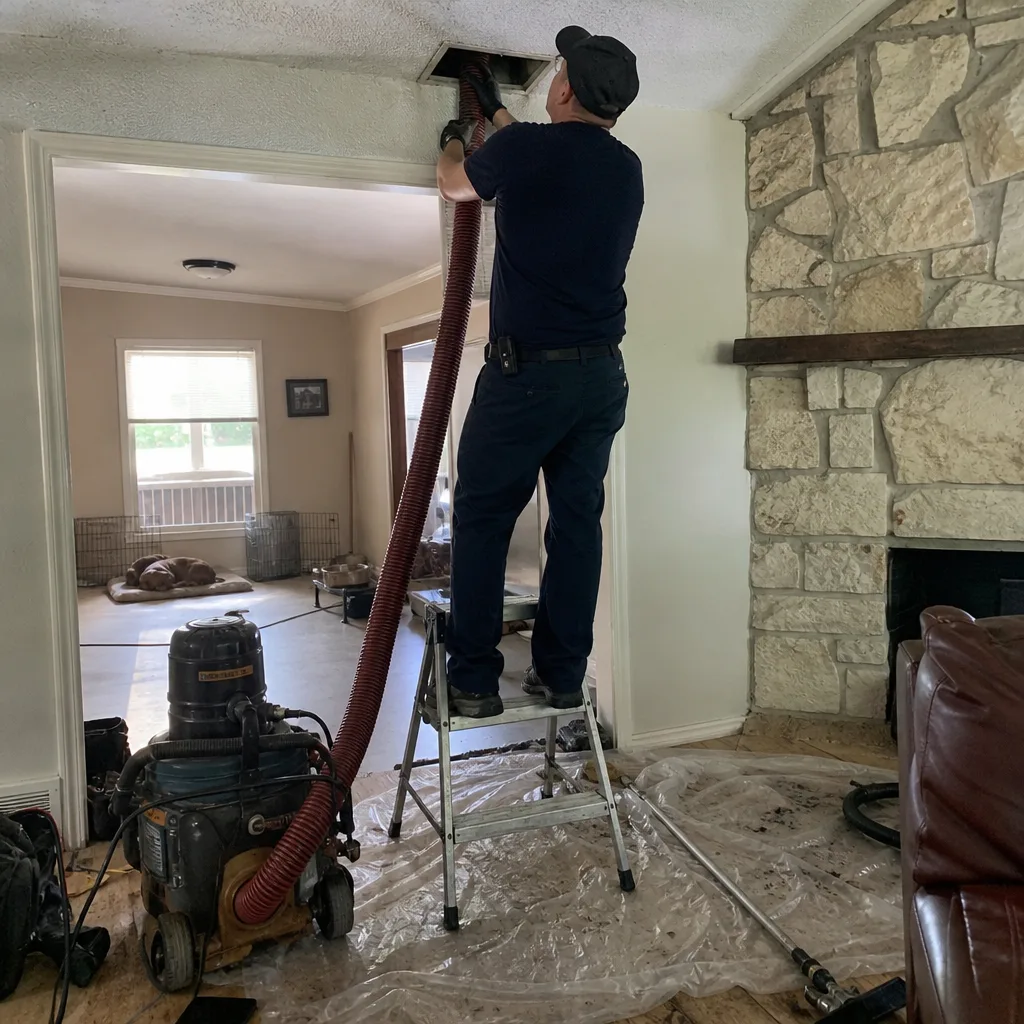 Before
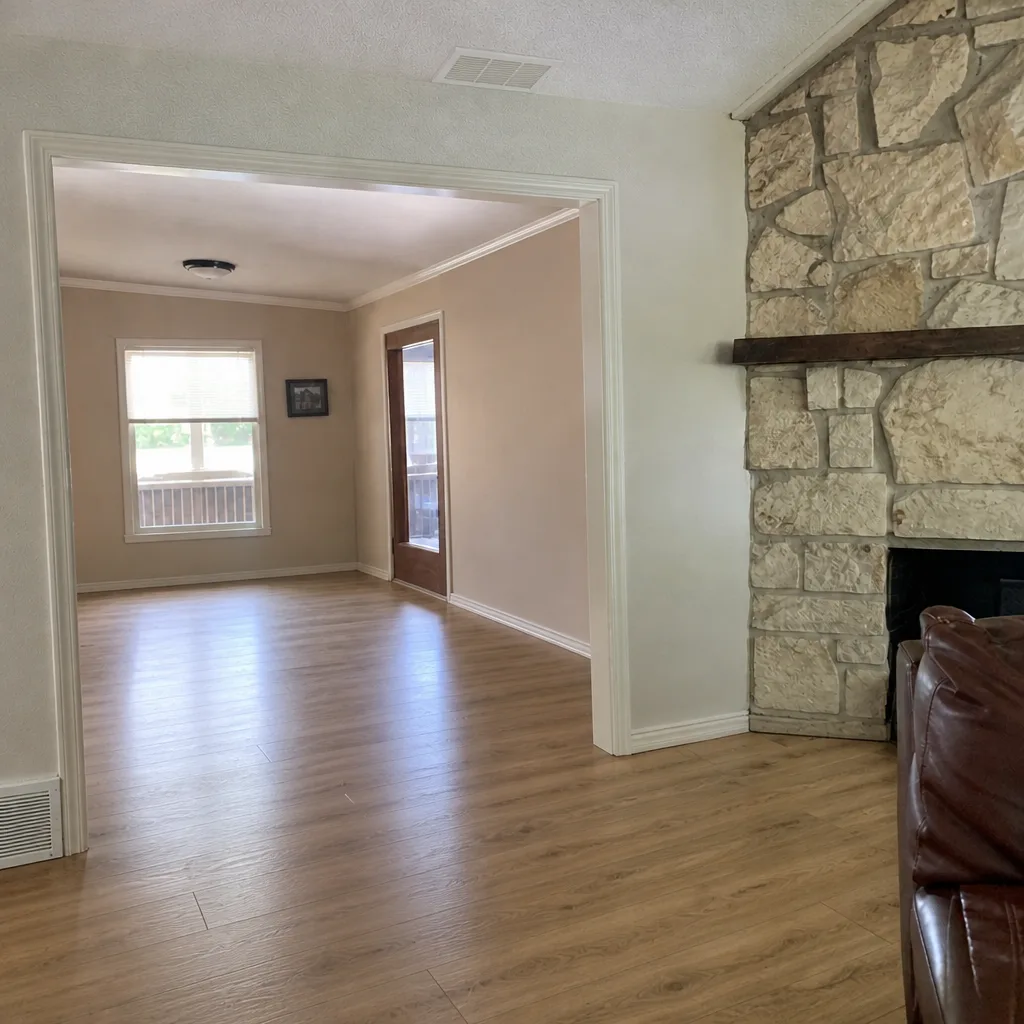 After
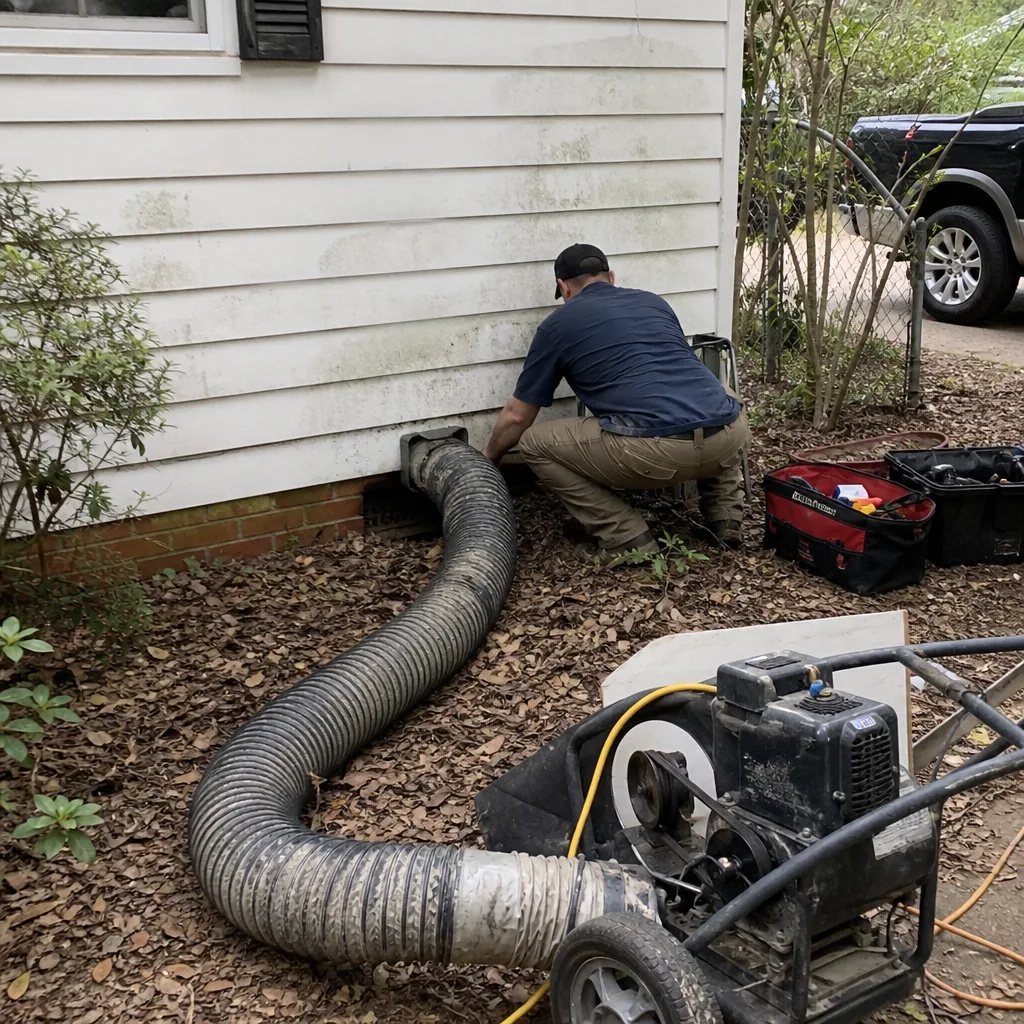 Before
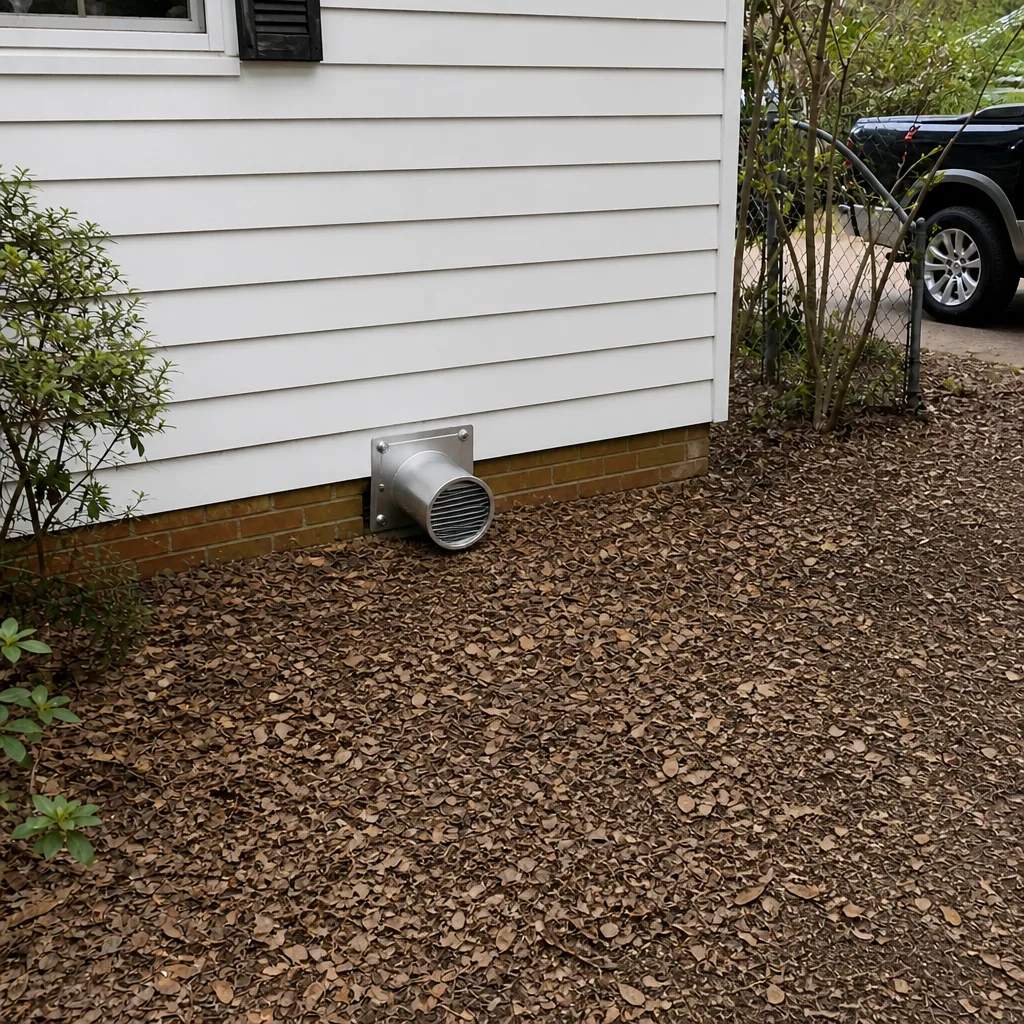 After
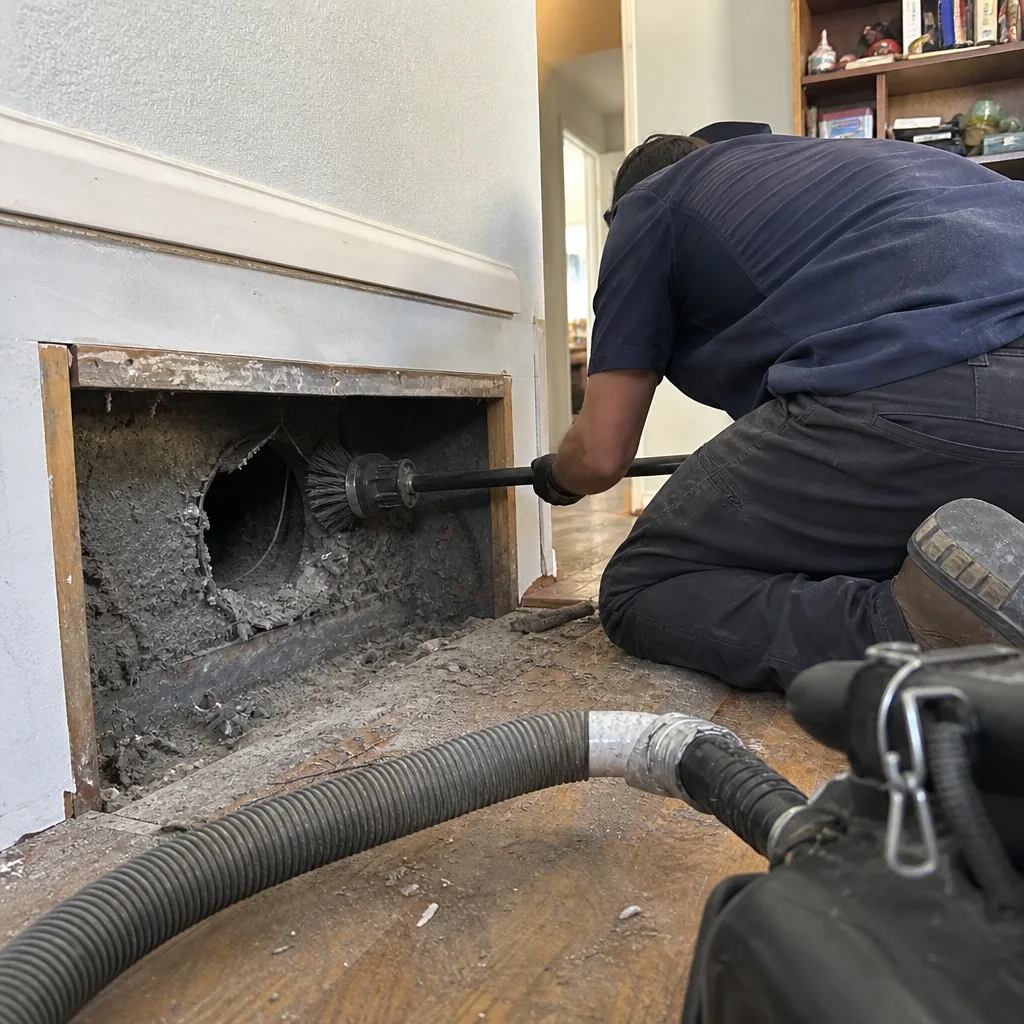 Before
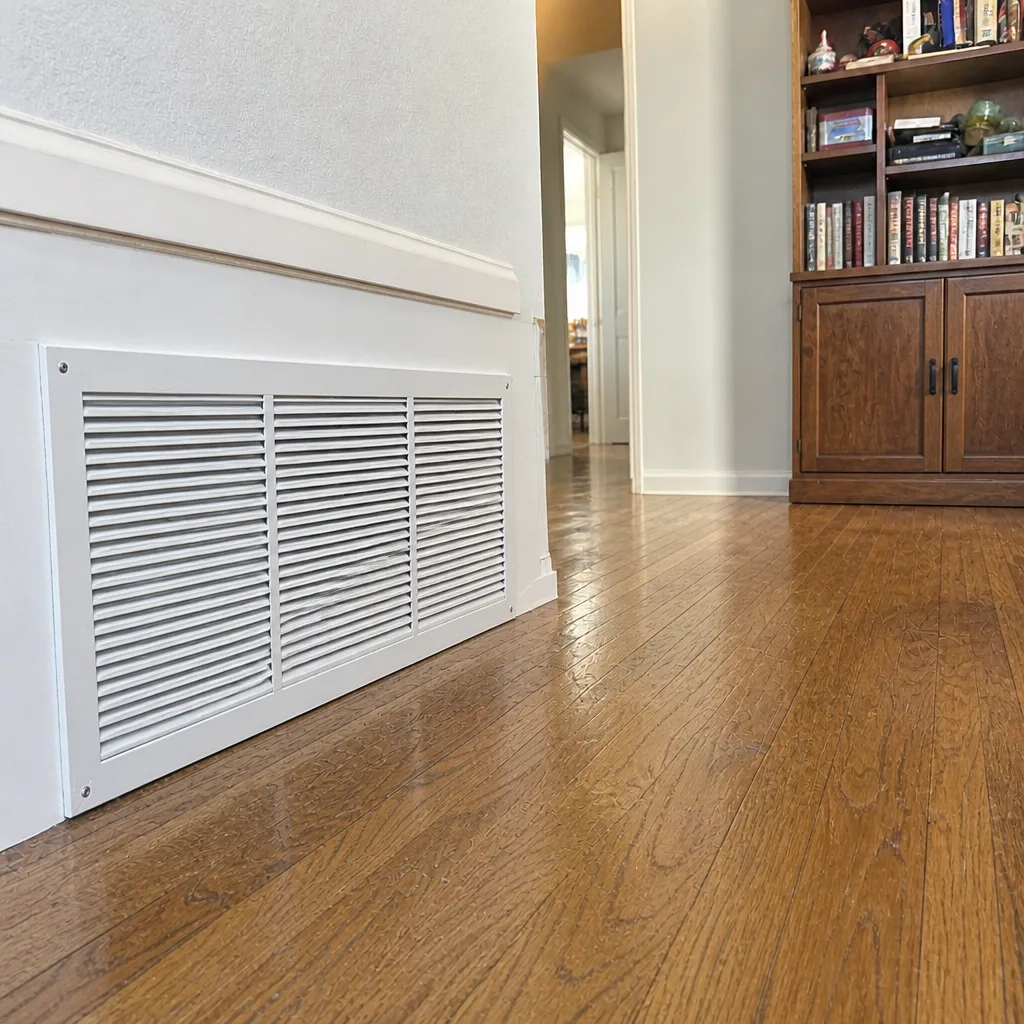 After
Common Mistakes to Avoid
- Cleaning the ducts when the problem is the coil or drain pan. If the smell persists during runtime, the source is often upstream of the ducts. Cleaning without checking the coil means the smell returns within weeks.
- Assuming a cheap coupon is the whole price. A teaser price that turns into a much larger invoice once the technician is on site is the classic bait-and-switch in this trade. Ask for a written, per-system price before anyone arrives.
- Wiping registers with household cleaners and calling it done. This masks the symptom without addressing the source and can damage the register finish. Dark streaking in Gainesville’s humidity should be investigated, not scrubbed.
- Sealing registers with plastic or tape to fix condensation. That traps moisture inside the duct and accelerates biological growth. Fix the insulation instead.
- Hiring an operator who shows up with a shop vacuum and a hand brush. That equipment cannot reach the full length of a residential duct system or the back side of the duct runs. Ask what equipment is used before booking.
- Waiting for something dramatic to happen. Visible mold and total airflow loss are late-stage symptoms. The subtle patterns (fading musty smell, fresh dust on registers, a rising bill) are the early ones that cost less to fix.
- Not asking for before-and-after photos. A legitimate operator documents the work. If the estimate doesn’t come with a commitment to show you what was removed, ask why.
For the full comparison between the professional equipment we bring and the consumer-grade tools some operators use, see the guided overview at Holloway Air Duct Cleaning. And if the fire-safety side of your home’s ventilation has crossed your mind – a dryer vent that hasn’t been cleared in years – that’s a separate but related check we handle as its own service through dryer vent cleaning.
When to Call a Professional
Call when you have two or more signs from this guide showing up at the same time, or when any single sign has been persistent for more than a couple of weeks. Call sooner if you’re seeing dark streaking around registers in multiple rooms, condensation on supply vents during the summer, a musty smell that doesn’t clear during runtime, or a rising energy bill you can’t otherwise explain. Call immediately if you smell gas or chemical odors that seem to come from the HVAC equipment itself – that’s a safety matter, not a cleaning question.
Our technicians have up to 9 years of experience. We bring commercial-grade equipment to the home, including Rotobrush rotary brush systems and Nikro negative-air vacuums, plus Abatement Technologies filtration to protect your living space while we work. We clean, we repair, we clear dryer vents. Holloway Air Duct Cleaning offers free estimates in Gainesville. Call (855) 408-4151. We answer 24/7. Fast dispatch from 7am to 7pm, Sunday through Friday.
Frequently Asked Questions
Whole-system cleaning for a standard single-family home typically runs $350 to $650 in the Gainesville area, with the final number set by number of runs, system condition, and accessibility. Repair is quoted separately after inspection. Call (855) 408-4151 for an exact quote – estimates are free.
Most homes go three to five years between cleanings, but the schedule depends on the home. A house near a busy road, a home with pets, a recent renovation, or a system with visible debris at the registers often needs it sooner. Watch for the warning signs in this guide rather than a fixed calendar. In our experience, the right interval is determined by what’s in the ducts, not a marketing reminder. Call (855) 408-4151 for an exact quote – estimates are free.
A low advertised price is often a per-vent teaser that grows into a much larger invoice once the technician is on site. The right way to compare quotes is a whole-system, flat price agreed in writing before work starts, with before-and-after photos promised. Anything less and you’re comparing different jobs. Call (855) 408-4151 for an exact quote – estimates are free.
Insist on before-and-after photos of your own ducts, not stock images. A legitimate operator will document the system at the start, the work as it happens, and the result at the end. If a company can’t show you the inside of your own ducts, look elsewhere. We provide that documentation as a standard part of the work. Call (855) 408-4151 for an exact quote – estimates are free.
No. A musty smell that persists during runtime often traces to the evaporator coil or drain pan, not the ducts, especially in Gainesville’s long humid cooling season. A smell that fades after 10 minutes is more likely duct residue. The distinction matters because the solutions are different. Call (855) 408-4151 for an exact quote – estimates are free.
Often yes, if the repair is straightforward. We handle air duct cleaning, air duct repair, and dryer vent cleaning under one company, so you don’t need to coordinate separate contractors for related work. Complex repairs may need a follow-up; the estimate will make this clear upfront. Call (855) 408-4151 for an exact quote – estimates are free.
The Bottom Line
Duct system warning signs are quiet. They show up as a smell that appears for ten minutes and then fades, dust that reappears at the same register within days, a room that runs two degrees warmer than the rest, or a bill that keeps ticking up without explanation. The job of this reference guide is to help you connect each of those signs to a likely source so you know what kind of service you actually need – cleaning, repair, or a check on the coil and drain pan. In Gainesville’s humid climate, the biological warning signs carry extra weight. If two or more of the symptoms here are showing up in your home, get an honest on-site estimate before spending money on assumptions.
Holloway Air Duct Cleaning offers free estimates in Gainesville. Commercial-grade equipment brought to your home, one flat price per system agreed in writing, and before-and-after photos showing exactly what came out. Call (855) 408-4151. We answer 24/7. Fast dispatch from 7am to 7pm, Sunday through Friday.
Written by the team at Holloway Air Duct Cleaning.