
Last updated November 15, 2026
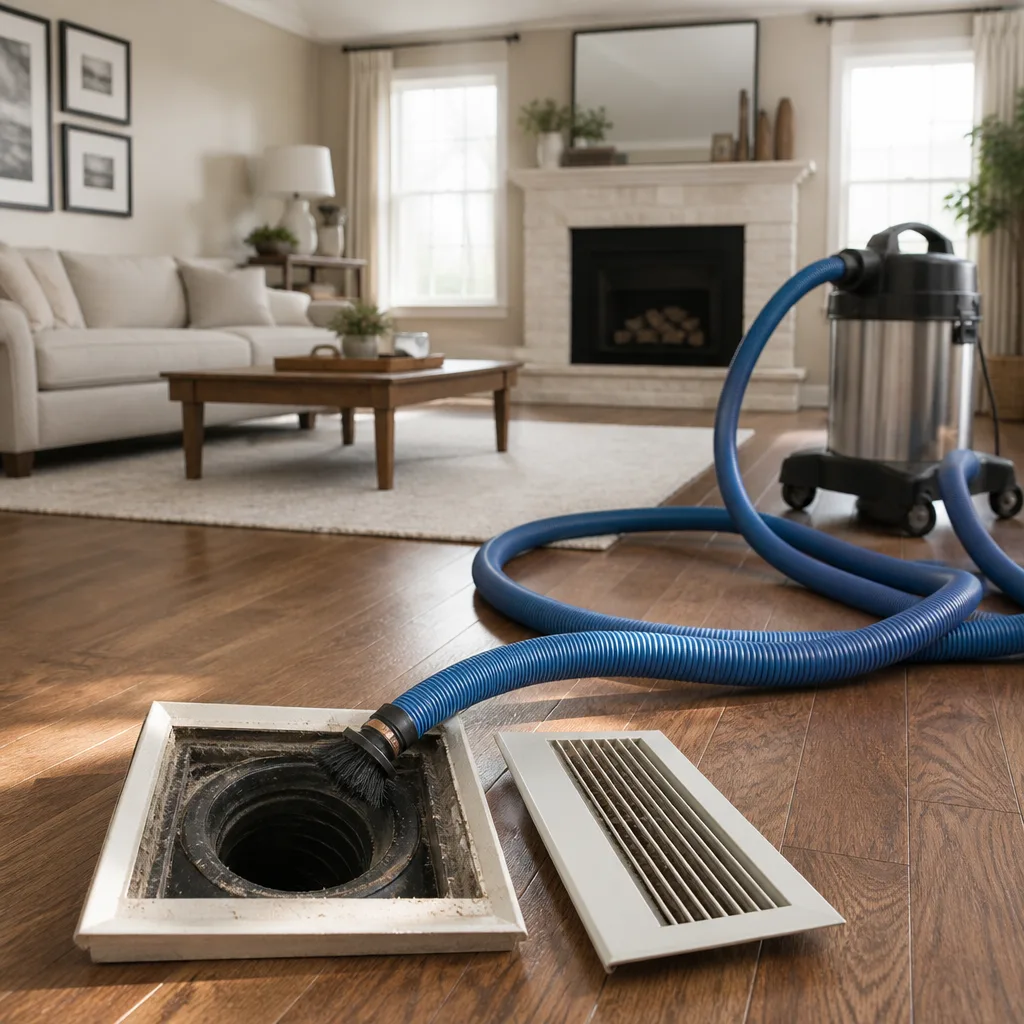 Whole-home duct cleaning
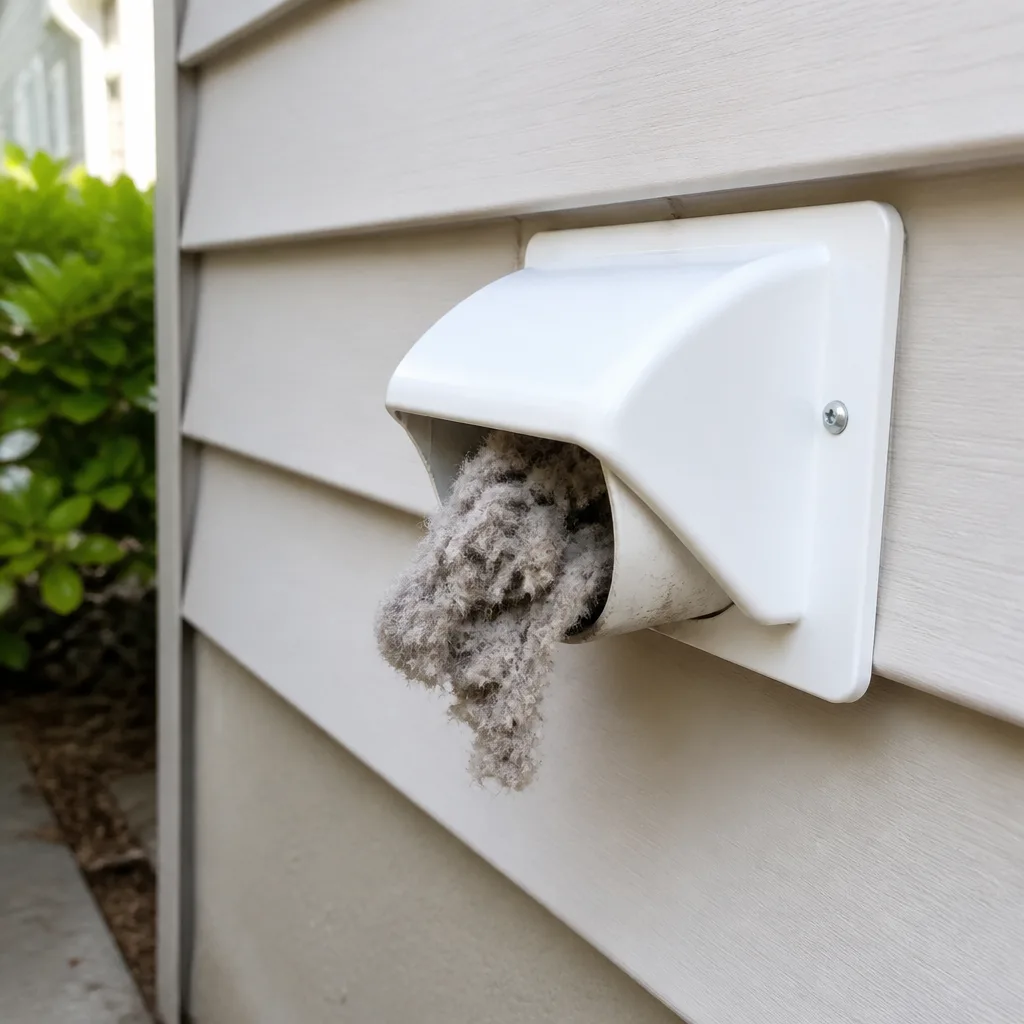 Dryer vent cleaning
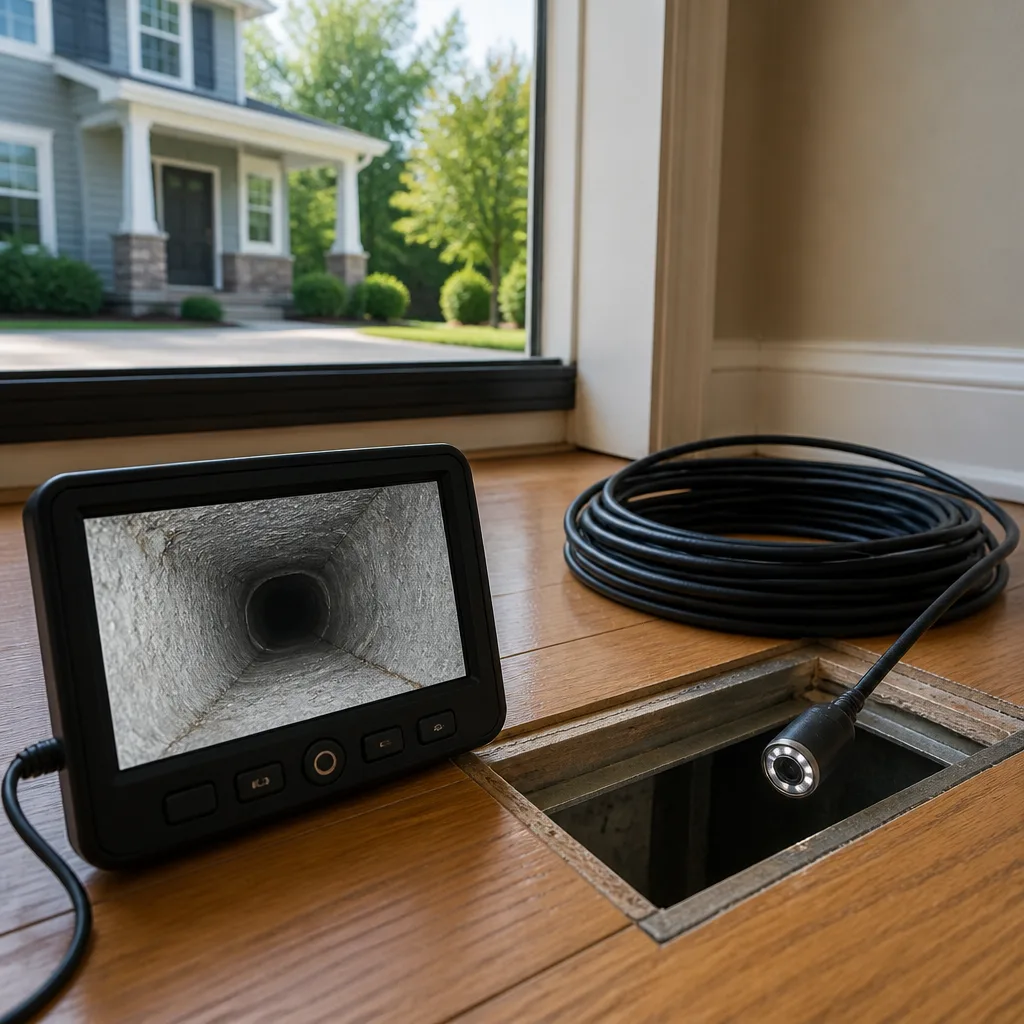 Camera inspection
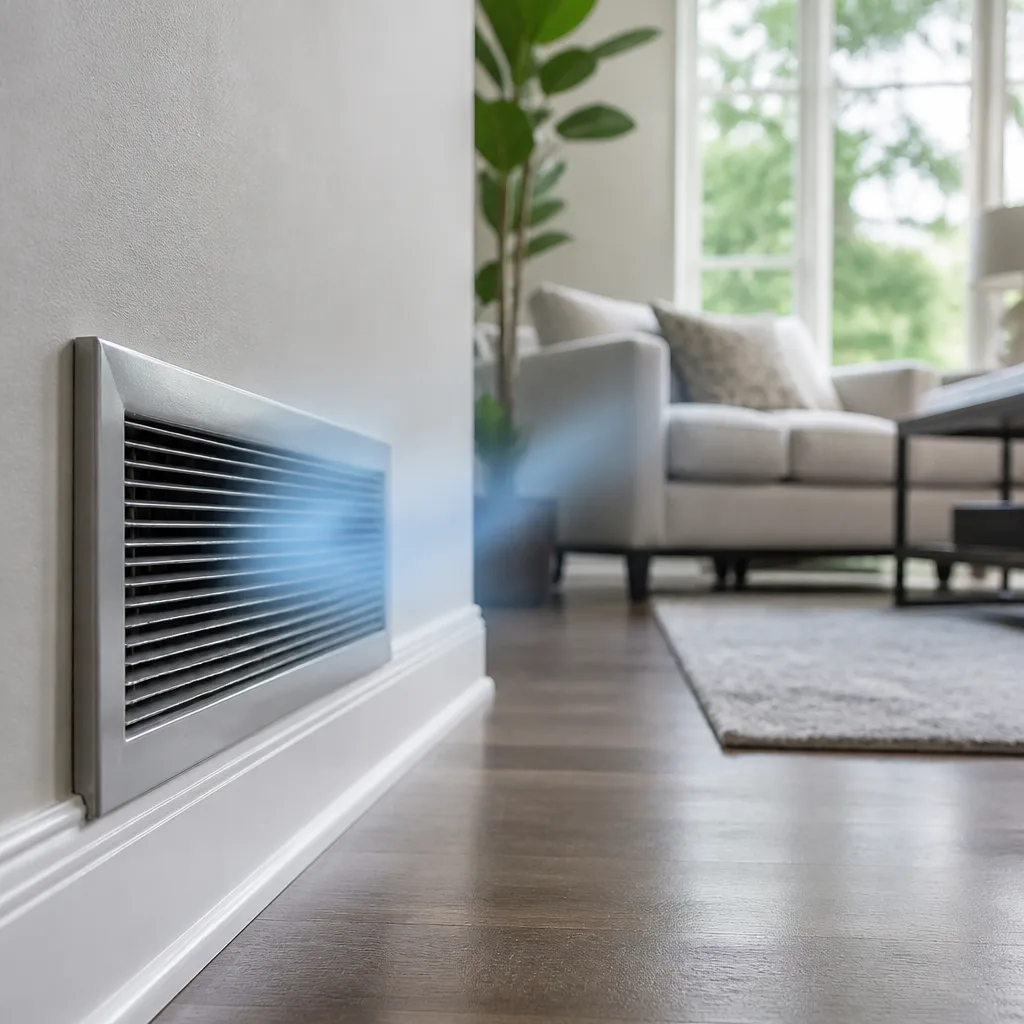 Sanitizing & deodorizing
Whole-system duct and dryer vent check with before-and-after photos - you see exactly what came out of your vents
That "$99 whole-house special" is a bait ad - the real number appears once they are in your hallway, or the "clean" is a shop-vac at the register. We photograph the inside of your ducts before and after instead.
How to Hire an Air Duct Cleaning Contractor in Gainesville: A Step-by-Step Guide
Any contractor in Florida can legally call themselves an air duct cleaning company tomorrow. There’s no state license, no required equipment standard, and no minimum training, which makes your pre-hire questions the only filter that matters. That’s the uncomfortable truth behind hiring in Gainesville: the barrier to entry is a phone number and a name. The good news is that a handful of specific technical questions separate a serious operator from a guy with a shop vac and a brush. This guide gives you those questions, explains what the answers should sound like, and walks through how to compare quotes when no two are written the same way.
Quick Answer
To hire an air duct cleaning contractor in Gainesville, ask four things before anyone touches an access panel: what vacuum collection unit they use and its CFM rating, whether they use contact cleaning tools like rotary brushes, whether they create access points or just attach at the register, and what insurance documentation they carry. A legitimate whole-system job takes hours, not minutes, and comes with a written scope of work. A company that can’t answer the equipment questions clearly is telling you something.
Styles & brands we work with
- Whole-home duct cleaning
- Dryer vent cleaning
- Camera inspection
- Sanitizing & deodorizing
Table of Contents
- Why You Have to Vet the Contractor Yourself in Florida
- The Equipment Questions That Expose an Underequipped Operator
- What the NADCA ACR Standard Is and How to Ask About It
- Red Flags Specific to Low-Bid Operators
- How to Compare Quotes When the Scope Isn’t Equal
- Insurance and Liability Documentation to Request First
- A Step-by-Step Hiring Sequence
- Older Gainesville Homes, Flex Duct, and Fiberglass-Lined Systems
Why You Have to Vet the Contractor Yourself in Florida
Florida does not license air duct cleaning as a standalone trade. A general contractor or HVAC contractor license covers some of the work, but nothing stops an unlicensed operator from advertising duct cleaning, showing up with a portable vacuum, and charging you for an hour of swirl. This isn’t a knock on Florida specifically; several states are the same. It just means the consumer protection you’d expect around a licensed trade simply isn’t there, and the vetting is yours to do.
That matters more in Gainesville than the regulation gap alone suggests. The climate here runs humid for most of the year, and a duct system that stays damp is a different animal than one in a dry climate. Condensation on cold supply lines, moisture finding its way into flex duct insulation, and the resulting conditions that feed microbial growth are all things a serious contractor knows to look at. A low-bid operator who runs a brush down the trunk line and leaves hasn’t addressed any of it.
We’ve watched this trade from the inside long enough to know that the equipment is the tell. Companies that invest in commercial-grade rotary brush and negative-air vacuum systems have made a capital decision that low-bid operators haven’t. That decision shows up in the work. The rest of this guide is about how to make a contractor prove which side of that line they’re on before you hand over a deposit.
If you’ve already decided to hire and just want the service explained plainly, our page on air duct cleaning covers what a proper job involves from start to finish. This guide is the layer before that: how to pick who does it.
The Equipment Questions That Expose an Underequipped Operator
Equipment questions are the fastest filter you have. Ask them on the phone, before an appointment is scheduled. A legitimate operator answers them without hesitation because the equipment is the core of their business. A low-bid operator gets vague, quotes “industry standard,” or changes the subject to price.
Ask about the vacuum collection unit
Every real duct cleaning job needs a collection unit powerful enough to pull a negative pressure on the duct system and hold onto what gets dislodged. Ask directly: what type of vacuum collection unit do you bring, and what’s the CFM rating? You’re listening for a specific machine name and a real number. A shop vac is not a collection unit, no matter what the brochure says. We use Nikro negative-air vacuum equipment for this job, and it’s the kind of answer a serious operator gives without hedging.
Ask about contact cleaning tools
Vacuum alone doesn’t clean duct walls. You need contact tools: rotary brushes, compressed air whips, or a combination. Ask what type of contact cleaning they use and whether the rotary brush is driven from the access point through the full length of each run. We bring a professional-grade Rotobrush rotary brush system on every job, which is exactly the specificity you should be listening for.
Ask about containment and filtration
Dislodging dirt is half the job. Keeping it out of your living space is the other half. Ask what they use to filter the exhaust air from the collection unit, and whether they set up containment around the work area. Serious operators use filtration equipment for this. We run Abatement Technologies filtration to protect the home during cleaning, so the question has a clear, checkable answer.
Compare those three answers across three companies and you’ll have your short list. A contractor who can name their machine, their brush system, and their filtration isn’t improvising.
What the NADCA ACR Standard Is and How to Ask About It
The NADCA ACR standard is a documented procedure set for air duct cleaning published by the National Air Duct Cleaners Association. It describes how a duct cleaning job should be assessed, contained, cleaned, and verified, and it exists because the trade had no agreed benchmark without it. You don’t need to read the whole thing. You need to know it exists and to ask how a contractor applies it.
The right question isn’t “are you NADCA certified?” alone. Ask this instead: walk me through which steps of the ACR standard you follow on a typical job, and where you deviate. A serious operator will describe the sequence: a system assessment before work, source removal rather than chemical fogging alone, containment and negative pressure, cleaning of all components including the coil and plenum where reachable, and some form of post-cleaning verification. A weaker operator will either not know what ACR stands for or claim to follow “all of it” without naming a single step.
The word “source removal” is worth listening for. It’s the core principle behind ACR: you physically remove the contaminants from the system rather than sealing or fogging them in place. Anyone who leads with a spray treatment and never mentions physical removal is selling you a shortcut.
- Good sign: the contractor describes a pre-inspection, source removal with contact tools, containment, and a post-job walkthrough.
- Good sign: they tell you which parts of the system they will not touch and why, such as inaccessible runs or components with known damage.
- Red flag: a claim of following the standard with no ability to name its steps.
- Red flag: a price quoted before anyone has looked at the system.
In our experience, contractors who volunteer the ACR conversation are also the ones who document their work with before-and-after photos. It’s the same instinct: prove what you did.
Red Flags Specific to Low-Bid Operators
Some problems in this trade are structural, and they repeat across companies that compete on price alone. Here are the patterns to watch for before and during the visit.
No access point creation
A whole-system job usually requires cutting access points into the trunk line so the brush and vacuum can reach the full duct run. Some systems already have them; many don’t. If a contractor plans to clean entirely through the register boots, ask why. Cleaning through registers alone means the last several feet of each branch, and often the entire trunk, never get properly cleaned. Access points are sealed afterward and are a normal part of the work.
Single-point vacuum attachment
Attaching the vacuum at one register and calling that a whole-system cleaning does not create negative pressure across the system. You need a dedicated connection at the collection unit plus, ideally, controlled openings that establish airflow through each zone. A single-point attachment at a supply register is a strong signal the rest of the job isn’t happening.
A job completed in under an hour
A genuine whole-system cleaning on a typical single-family home takes substantially longer than an hour, especially if access points need to be created and each branch has to be worked individually. Anyone done in forty-five minutes either has a very small system or skipped most of it. Ask how long the job should take when you book. If the answer sounds fast, ask why.
Other patterns worth catching
- Nobody performs a pre-inspection or asks about your HVAC equipment before quoting.
- The quote is a flat number on the phone with no written scope attached.
- No mention of the blower, coil, or plenum, only the ducts.
- A technician arrives without the rotary brush the office described on the phone.
- No way to see before-and-after documentation once the work is finished.
How to Compare Quotes When the Scope Isn’t Equal
Three quotes for “air duct cleaning” in Gainesville are rarely three quotes for the same work. One may cover supply and return trunks plus branches plus the plenum; another may cover the trunk line only. A cheaper number often just means less system. The fix is to insist on line items before you compare totals.
What a legitimate estimate should list
- Which components get cleaned. Supply trunks, supply branches, return trunks, return branches, blower compartment, coil (where accessible), and plenum. If a component is excluded, it’s on the estimate as an exclusion.
- Access points. How many will be created, where, and how they’ll be sealed afterward.
- Equipment. The collection unit and contact cleaning tools, named.
- Containment and filtration. What’s used to protect the living space during the work.
- Verification. Before-and-after photos or a post-cleaning walkthrough.
- Repair findings. Any disconnected joints, crushed flex runs, or damaged sections identified during cleaning, with a separate scope for fixing them.
- A single flat price for the scope described. Not per-vent pricing, not a base plus add-ons decided on site.
That last point matters most. Per-vent pricing rewards the contractor for a big system and pushes them to spend less time on each vent. A flat price for a defined scope keeps the incentive on doing the work described. If the scope changes because the system is bigger or more damaged than expected, that should be a written change before the work continues, not a surprise at the end.
When a quote comes in far below the others, ask what’s excluded. Ask how many access points, what filtration, and what verification. The answer usually explains the gap.
Insurance and Liability Documentation to Request First
Ask for proof of general liability insurance before any work begins, and ask for it in writing. Duct cleaning involves cutting access points into ductwork, working near HVAC equipment, and moving a collection unit and hoses through your home. A ladder through a ceiling, a damaged coil, or a punctured flex run are all things that happen in this trade, and you want the contractor to be covered if one happens at your house.
What to request
- Certificate of insurance showing current general liability coverage. It should be a current certificate, not an expired one.
- Name on the policy matching the business quoting the work, not a subcontractor or a different entity.
- Workers’ compensation coverage or a clear statement of how the company handles it, which matters if a tech is injured inside your home.
- Written scope of work with the price, signed before work starts.
- In writing, who is responsible if a duct component is damaged during the cleaning.
This matters more in an older Gainesville home with flex duct or fiberglass-lined systems. Flex duct can be torn by a careless brush or crushed by a collection hose, and fiberglass lining can be disturbed if the cleaning is done with too much force or the wrong tool. A contractor carrying proper insurance will send the certificate without argument. One who dodges the question has told you what you need to know.
If repairs turn up during cleaning, disconnected joints, crushed sections, or damaged transitions, that’s separate work. Our air duct repair service handles it, and the scope should be quoted in writing the same way. It’s better to have the repair conversation with the same company that documented the problem, but either way, get it on paper before anyone starts.
A Step-by-Step Hiring Sequence
Here’s the order that keeps you in control of the process and off the wrong end of a bait-and-switch.
- Start with the phone call. Ask the three equipment questions from earlier: vacuum collection unit and CFM, contact cleaning tools, containment and filtration. If the answers are vague, end the call.
- Ask for the NADCA ACR walkthrough. Have them name the steps they follow. Listen for source removal, containment, and verification.
- Request the insurance certificate. Get it before scheduling, not on the day of the visit.
- Get a written scope and flat price. Insist on line items, exclusions, access point count, and verification. Per-vent pricing should be a red flag.
- Compare quotes on scope, not total. Line up the components cleaned side by side. The cheapest total is often the narrowest scope.
- Confirm what happens on the day. Who arrives, what equipment they bring, whether before-and-after photos are part of the job.
- Do a post-cleaning walkthrough. Look at the photos, check that access points were sealed, and confirm the scope was completed as written. Ask about anything that differs.
Doing this for three companies takes an afternoon and eliminates the outfits you don’t want. It also gives you a paper trail if something goes wrong later.
While you’re vetting a duct cleaning company, it’s a good time to look at the dryer vent too. A clogged dryer vent is a fire-safety issue, not a maintenance item, and it’s a separate job from duct cleaning. Our page on dryer vent cleaning explains why it’s treated as a dedicated service rather than an add-on.
Older Gainesville Homes, Flex Duct, and Fiberglass-Lined Systems
Gainesville has a lot of housing stock from several different eras, and the duct systems reflect it. Homes built in the middle of the last century often have metal ductwork with original seams and joints, sometimes with fiberglass-lined interior surfaces. Newer construction and many retrofit jobs use flex duct, which is efficient and cheap but fragile under aggressive cleaning. Both types need a contractor who knows which tools are appropriate.
Fiberglass-lined systems
The lining inside the duct is a surface, and a rotary brush run at the wrong speed or pressure can damage it. Ask specifically what tooling the contractor uses on lined duct and how they verify the lining isn’t disturbed. A contractor who answers this without hesitation has done this work before.
Flex duct
Flex runs can be crushed by hoses, torn at the collar, or snagged by a brush. A thorough cleaning should include checking each flex run for damage and reporting it, not just running a tool through. If the contractor finds crushed or disconnected runs, that’s a repair conversation, and it should be quoted separately with clear documentation of what was found.
Older metal systems
Original metal ductwork from decades past can have seams that leak, joints that have separated, and connections that no longer hold. The cleaning itself can reveal all of it. A serious contractor documents what they find and tells you what it means for system efficiency, rather than leaving you with a clean system that still leaks.
Gainesville’s humidity is the constant factor across all of these. Damp conditions make everything that goes wrong with ductwork worse, and a contractor who doesn’t bring filtration and containment to a job in this climate isn’t thinking about the whole picture. The Holloway Air Duct Cleaning approach is to treat cleaning, repair, and dryer vent safety as one scope, so a duct problem and the related fire-safety issue don’t get handed to two different companies.
If you’re new to the area and want a sense of how we describe the service, our Gainesville page covers what we offer locally. But the process in this guide works with any contractor, regardless of who you choose.
Common Mistakes to Avoid
- Hiring on price alone. The lowest quote in Gainesville is usually the narrowest scope. Compare components cleaned, not totals.
- Not asking about the vacuum unit by name. “Professional equipment” means nothing. Ask for the make and the CFM rating.
- Skipping the insurance request. A certificate of insurance before work starts costs the contractor nothing to send and protects you if a duct is damaged.
- Accepting per-vent pricing. It creates an incentive to do less work per vent, not more. Ask for a flat price for a defined scope.
- Letting the job start without a written scope. Anything not listed can be excluded later. Get the exclusions in writing before the technician arrives.
- Never asking about access points. Cleaning through registers alone leaves the trunk line largely untouched. Ask how access points are created and sealed.
- Treating dryer vent cleaning as an afterthought. It’s a fire-safety service, and it belongs on the same visit as the duct work if both need doing.
- Not asking for before-and-after documentation. If the contractor can’t show what they found and what they removed, you have no way to know the work happened.
See the difference
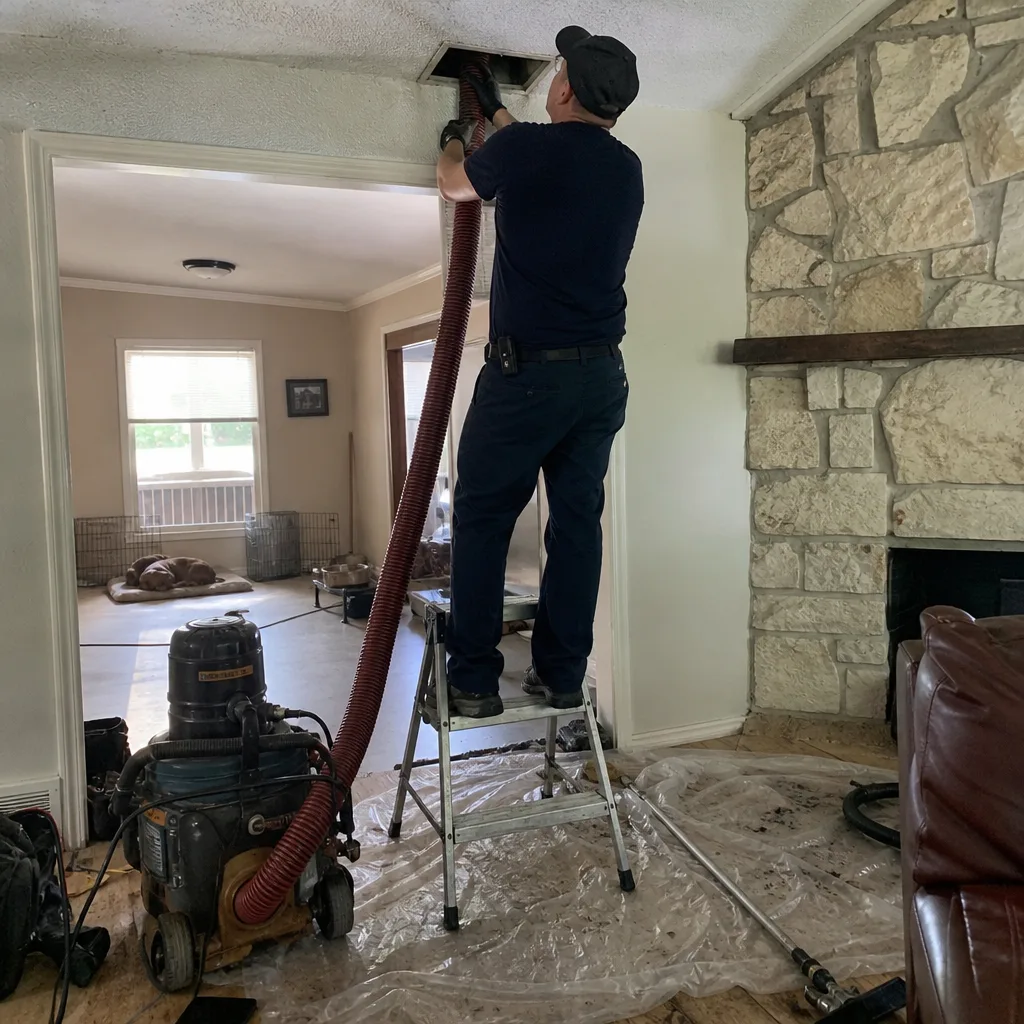 Before
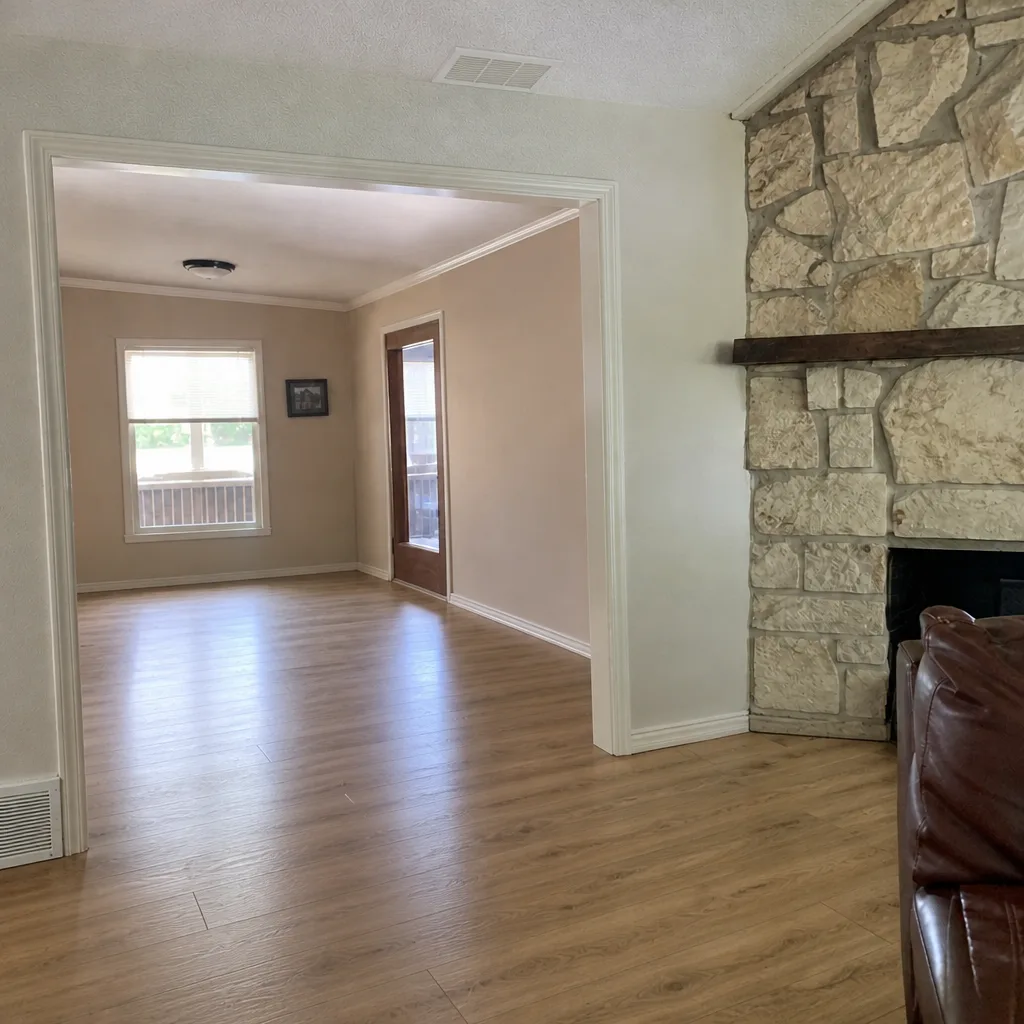 After
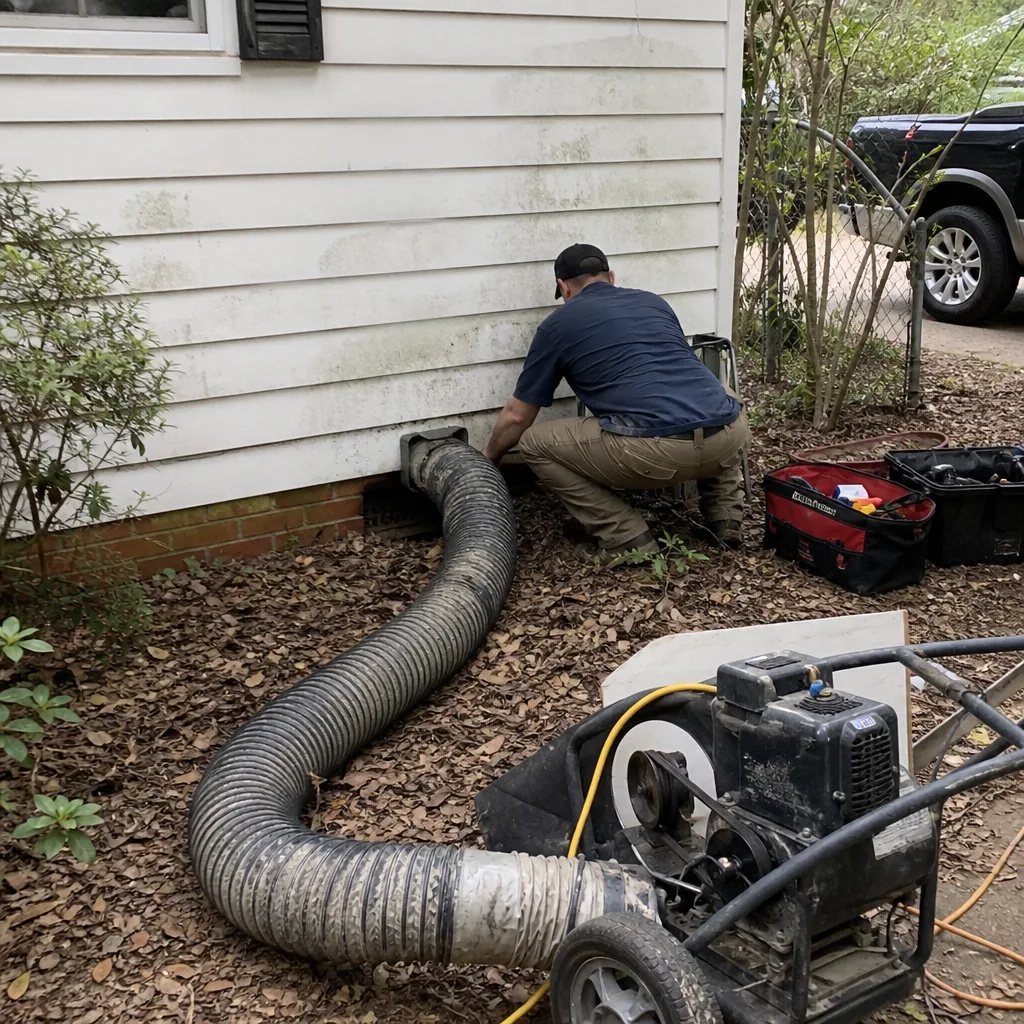 Before
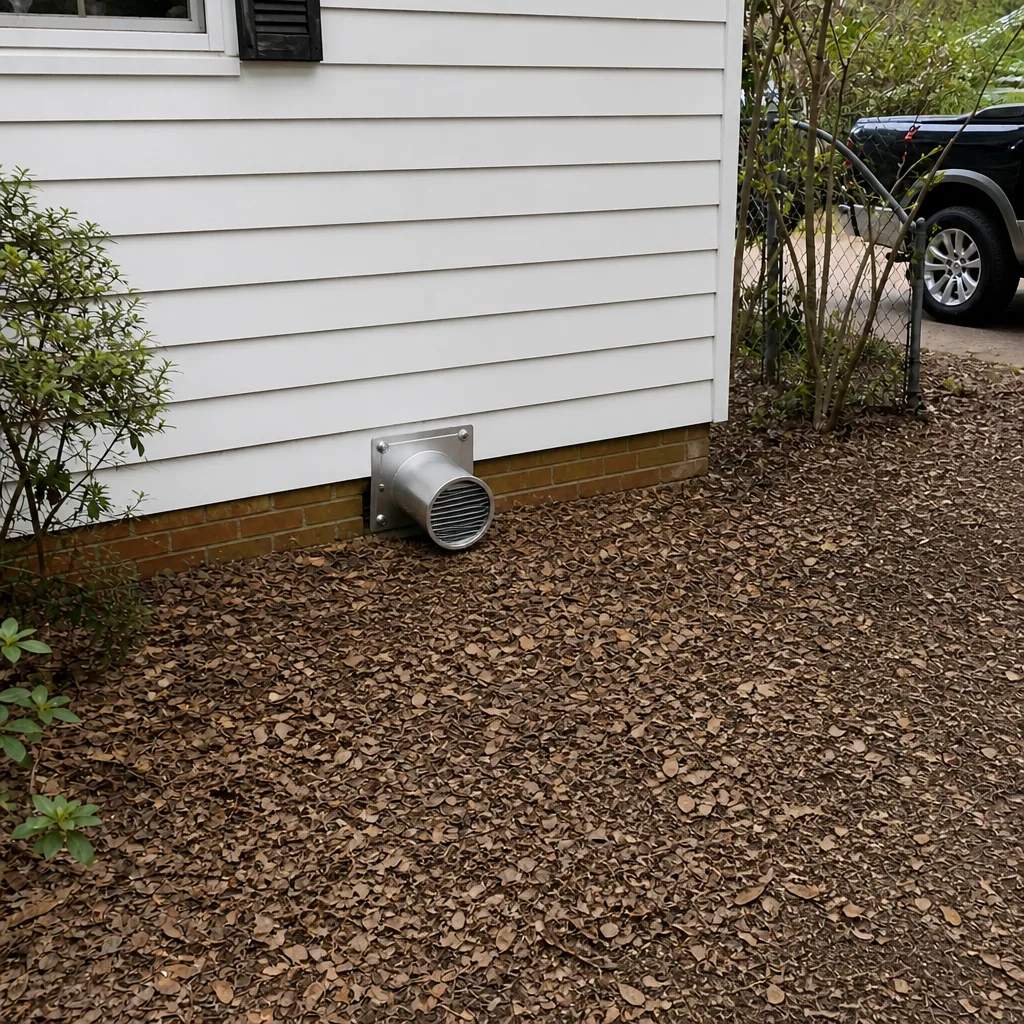 After
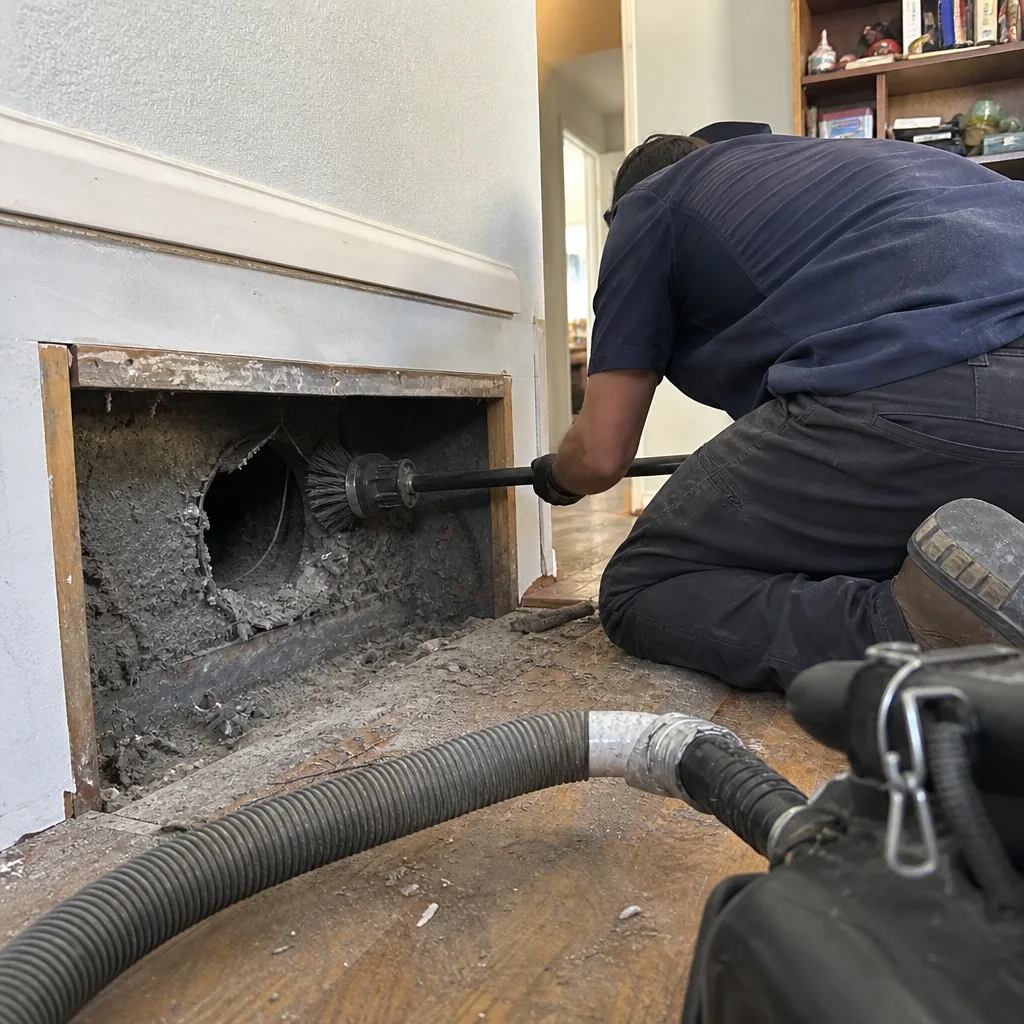 Before
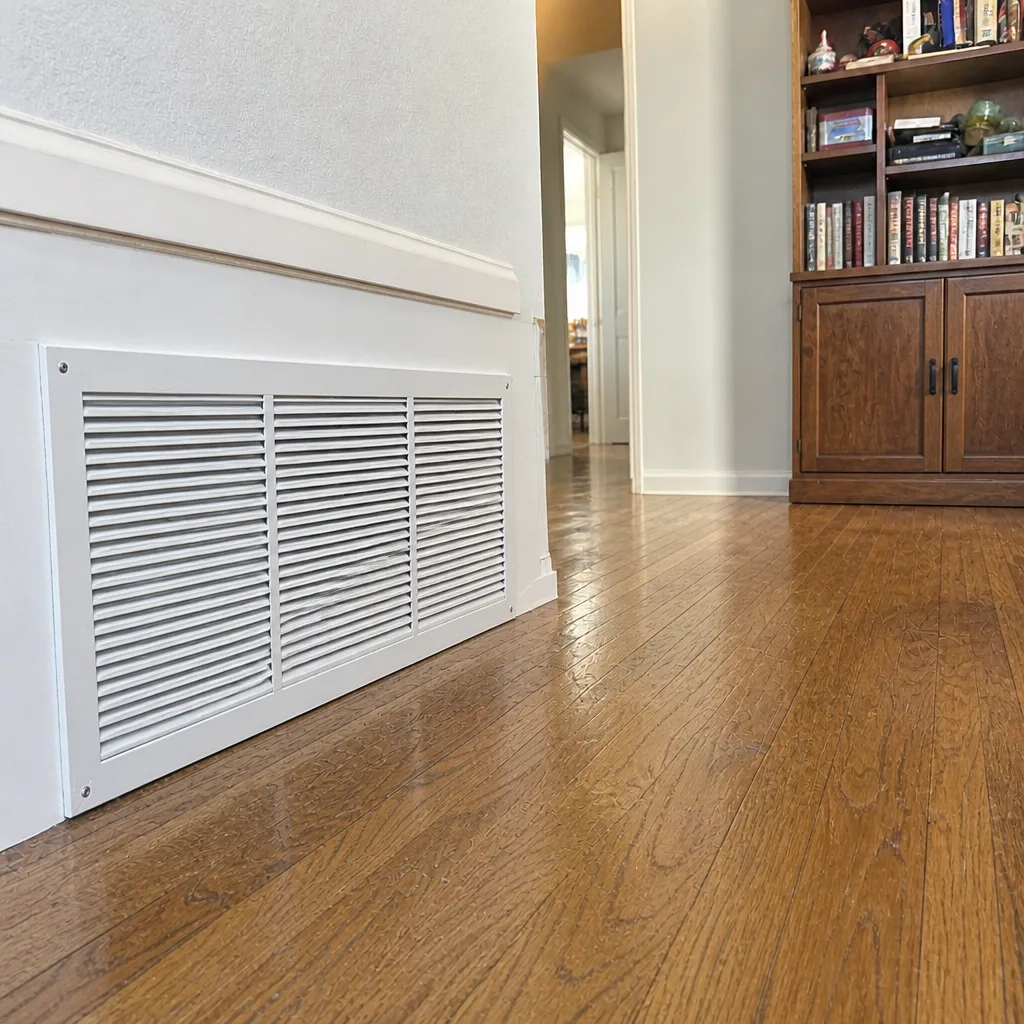 After
When to Call a Professional
Call a professional duct cleaning contractor in Gainesville when you notice visible dust blowing from registers after the system runs, when anyone in the household is seeing more respiratory irritation than usual, or when the ducts haven’t been cleaned in years and you don’t know their history. Also call if you’re moving into a home with an unknown duct history, if you’ve had recent renovation work that generated dust, or if you can see crushed, disconnected, or damaged flex runs. Don’t try to clean a fiberglass-lined system or cut access points yourself, and don’t attempt to inspect the inside of a duct system around the blower or coil without training; the blower and cooling coil are part of the HVAC system and can cause injury or electrical hazard if mishandled. Holloway Air Duct Cleaning offers free estimates in Gainesville. Call (855) 408-4151. We answer 24/7. Fast dispatch from 7am to 7pm, Sunday through Friday.
Frequently Asked Questions
Ask three specific questions and listen for specific answers: what vacuum collection unit do you use and its CFM rating, what contact cleaning tools do you use on the duct walls, and can you send a certificate of insurance before the visit. A legitimate operator answers all three without hedging. Vague answers about “industry standard” or “professional equipment” are your signal to keep looking.
Florida does not license air duct cleaning as a standalone trade, which means the state isn’t vetting the contractor for you. Some operators hold a general contractor or HVAC contractor license that covers related work, but there’s no specific duct cleaning license to check. That’s why the equipment questions and the insurance request in this guide matter so much: they’re the only filter you have. Call (855) 408-4151 for an exact quote; estimates are free.
A reasonable scope covers supply trunks, supply branches, return trunks, return branches, the blower compartment, the coil where accessible, and the plenum, with access points created as needed and sealed afterward. It should also include containment and filtration to protect the living space, plus before-and-after documentation. If a quote covers only the trunk line, it’s not a whole-system job, no matter what the total says.
Cheaper quotes usually cover less system, not the same work at a lower price. Common reductions include no access point creation, single-point vacuum attachment, cleaning through registers only, skipping the coil and plenum, and no containment or filtration. Ask specifically which components are included and which are excluded. The gap is almost always explained by scope. Call (855) 408-4151 for a written scope and flat price; estimates are free.
A genuine whole-system cleaning typically takes a substantial portion of a day, not an hour. Access point creation, working each branch individually, and setting up containment all add time. Anyone done in forty-five minutes either has a very small system or skipped most of the work. Ask how long the job should take when you book, and ask why if the answer sounds fast.
Most homes don’t need annual duct cleaning. Every several years is reasonable for many households, and longer for some. Circumstances that change the timeline include recent renovation, water intrusion or moisture problems in the duct system, a pet population that sheds heavily, or visible dust blowing from registers. Ask a contractor to assess your specific system rather than quoting a fixed schedule. Call (855) 408-4151 for an assessment; estimates are free.
The Bottom Line
Florida doesn’t license duct cleaning, so the filter is yours to build. Ask about the vacuum collection unit and its CFM rating, ask about the contact cleaning tools, ask how they apply the NADCA ACR standard, and ask for proof of insurance before work starts. Compare quotes on scope, not totals, and treat per-vent pricing and sub-hour jobs as the warning signs they are. The right contractor will welcome every one of those questions, because the equipment and the process are exactly what they’re proud of. Holloway Air Duct Cleaning brings Rotobrush and Nikro equipment to every job, and our technicians have up to 9 years of experience. Call (855) 408-4151 for a free estimate. We answer 24/7. Fast dispatch from 7am to 7pm, Sunday through Friday.
Written by the team at Holloway Air Duct Cleaning.