
Last updated November 15, 2026
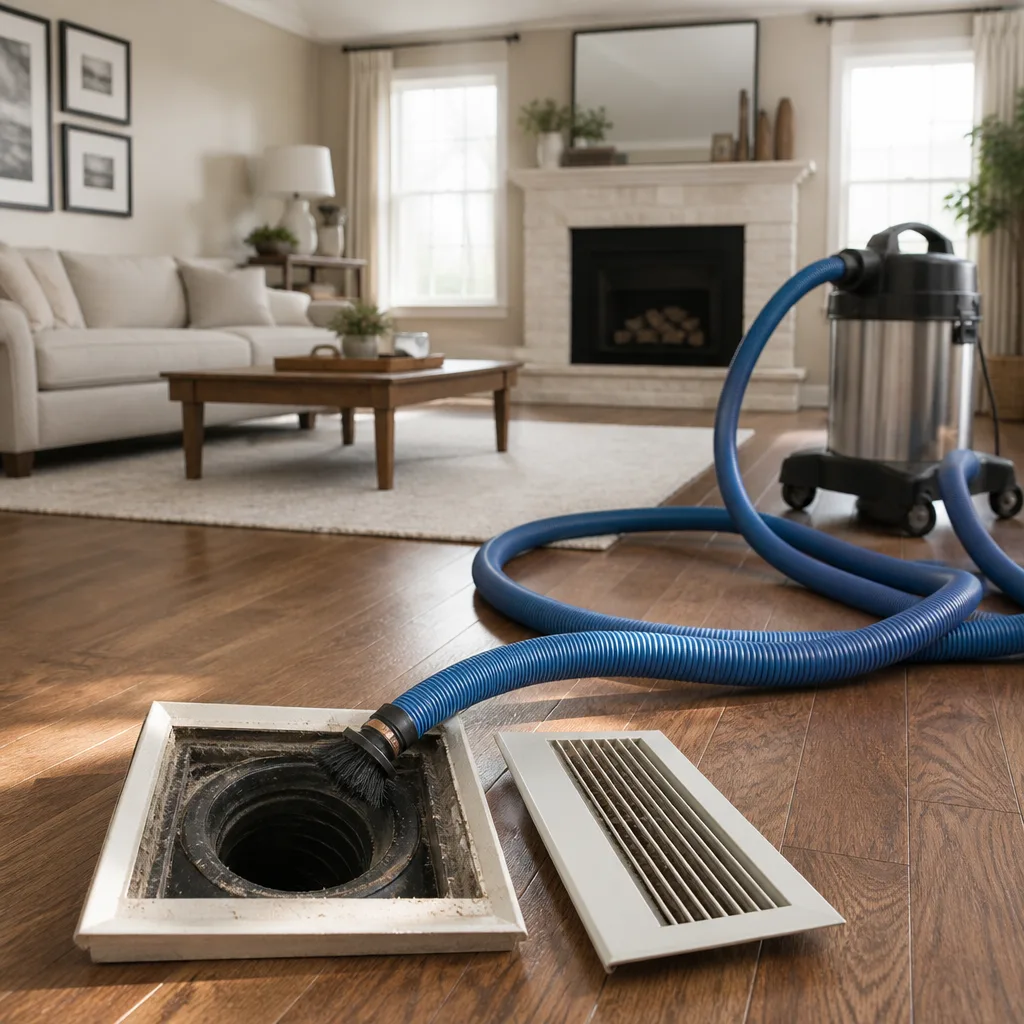 Whole-home duct cleaning
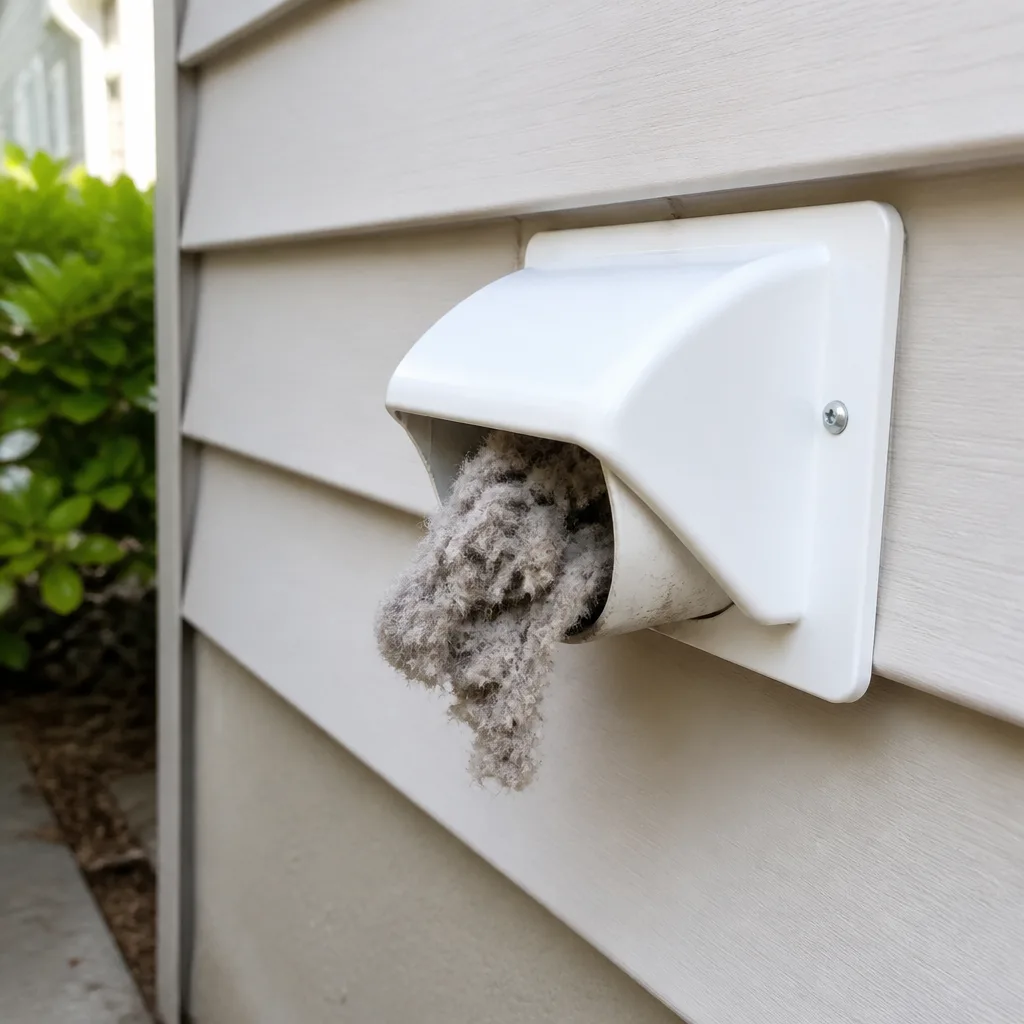 Dryer vent cleaning
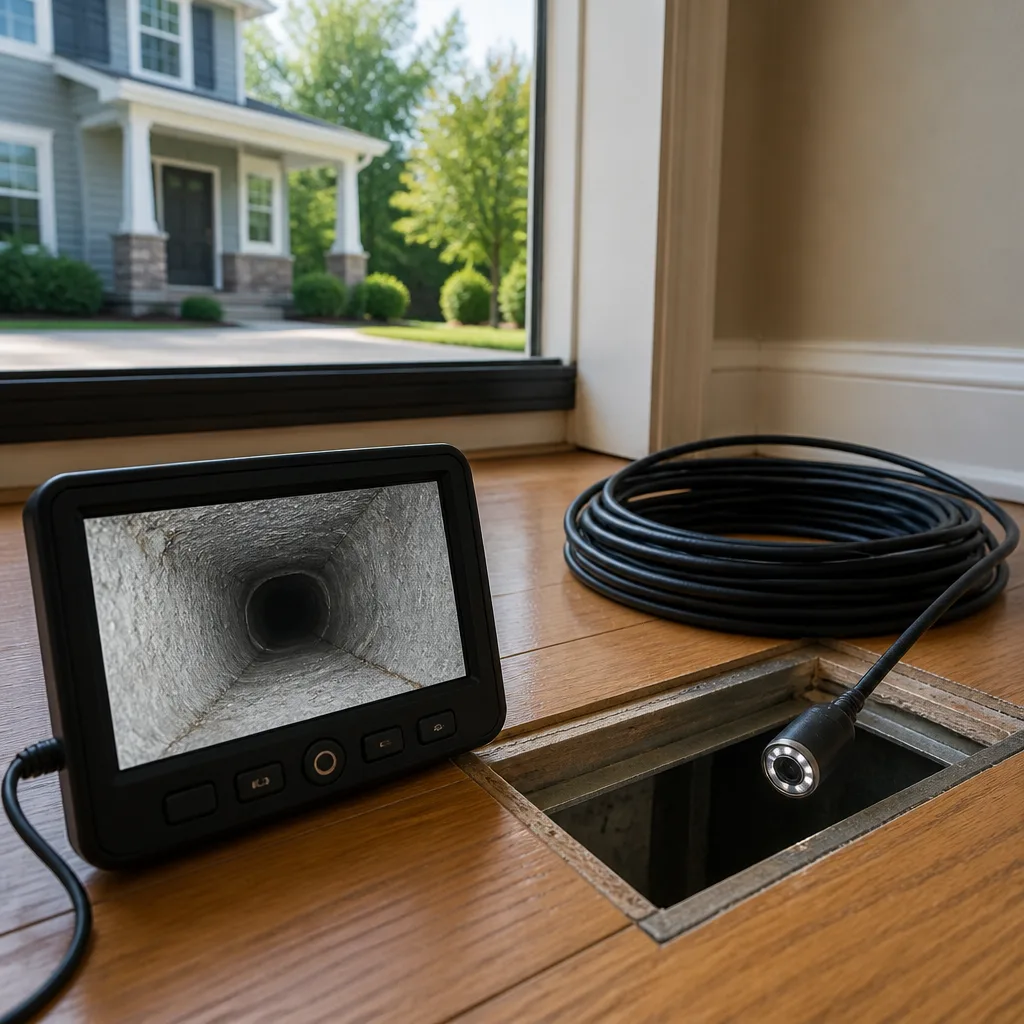 Camera inspection
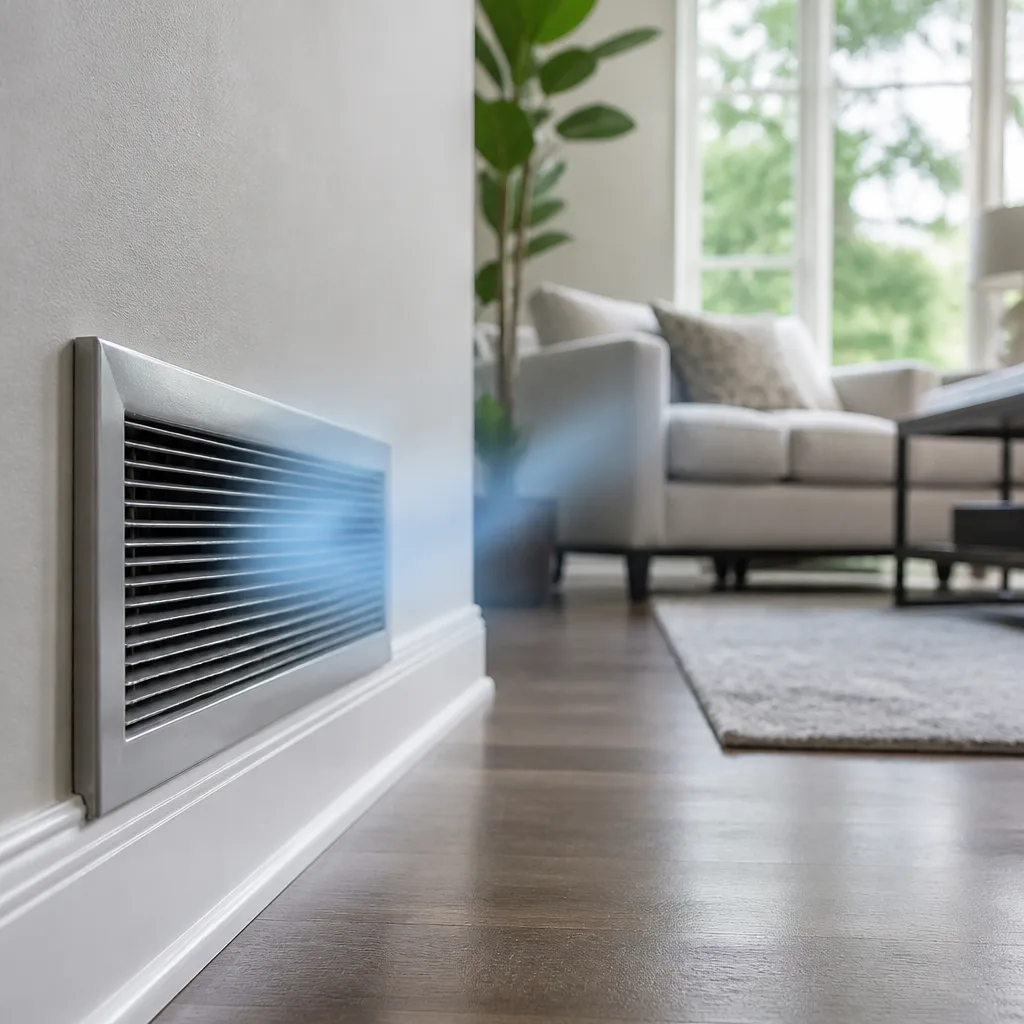 Sanitizing & deodorizing
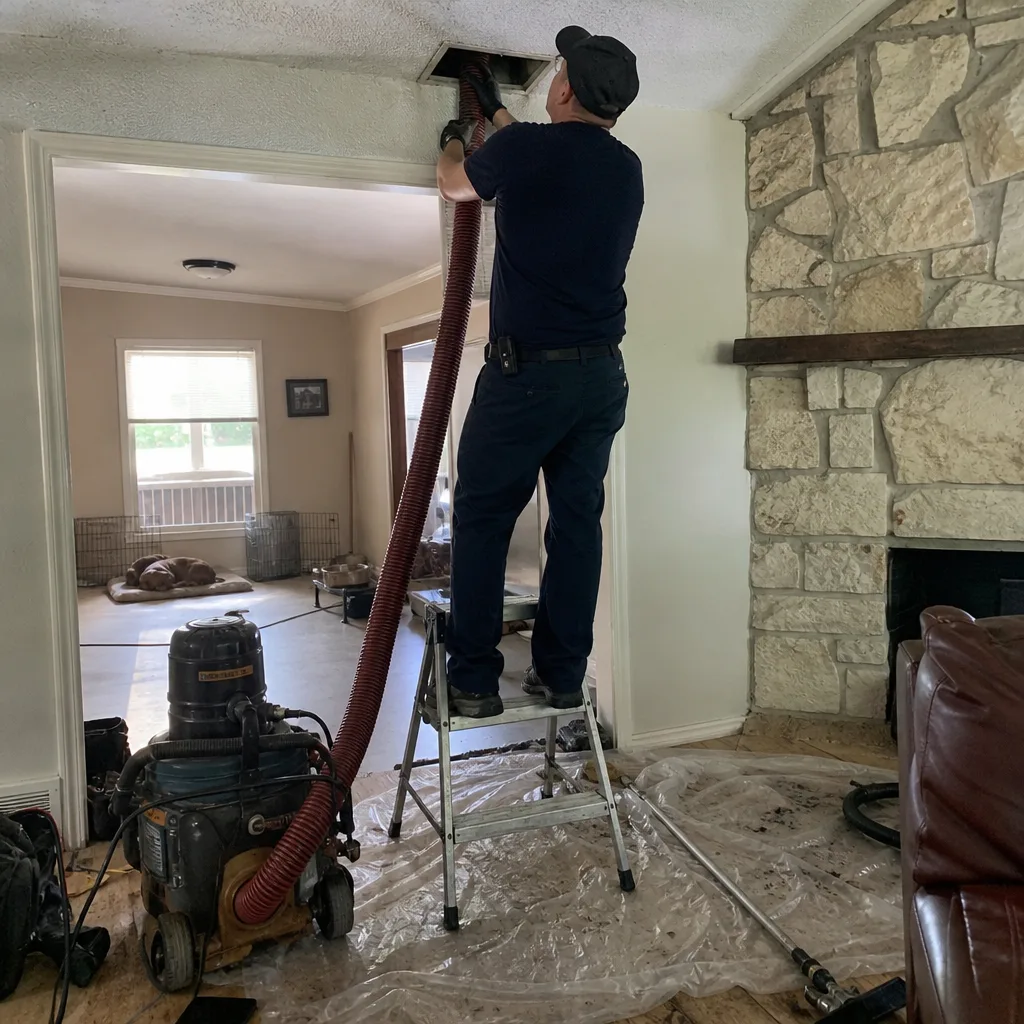
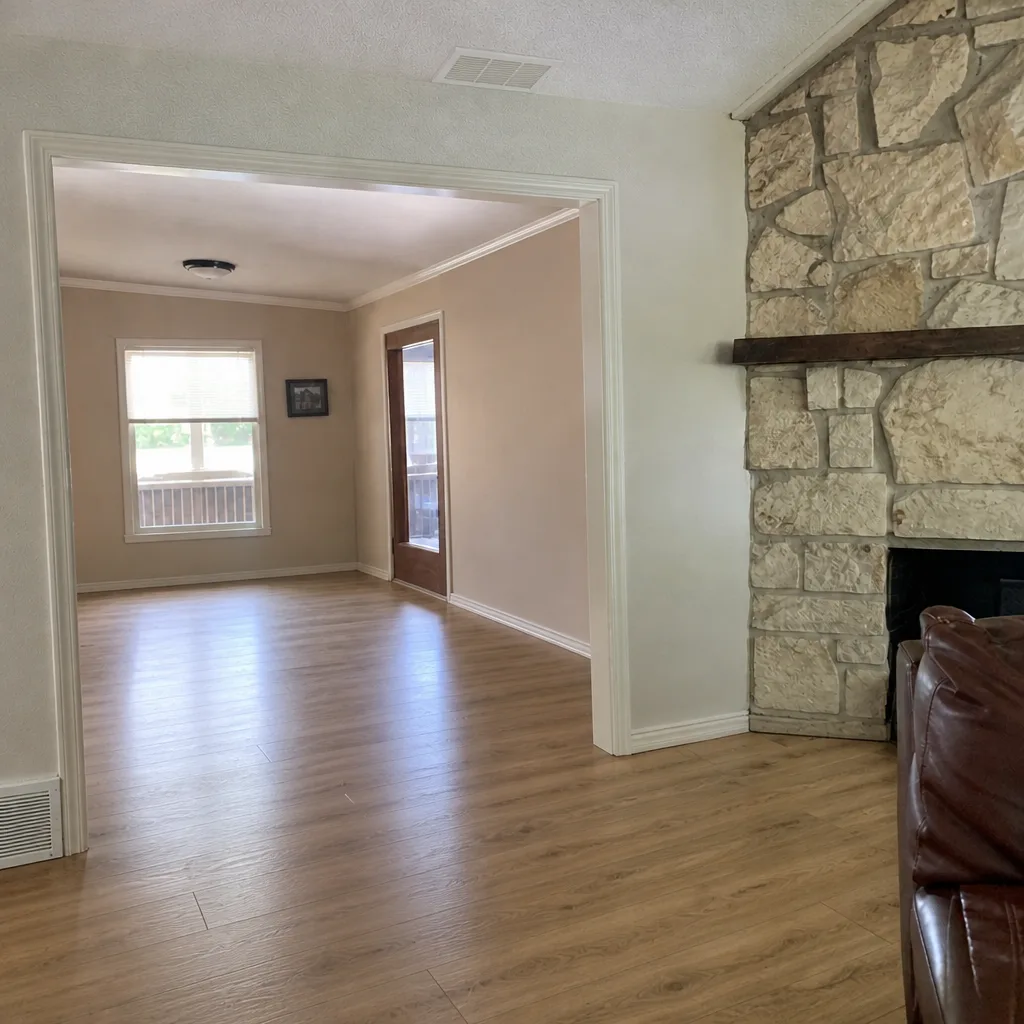
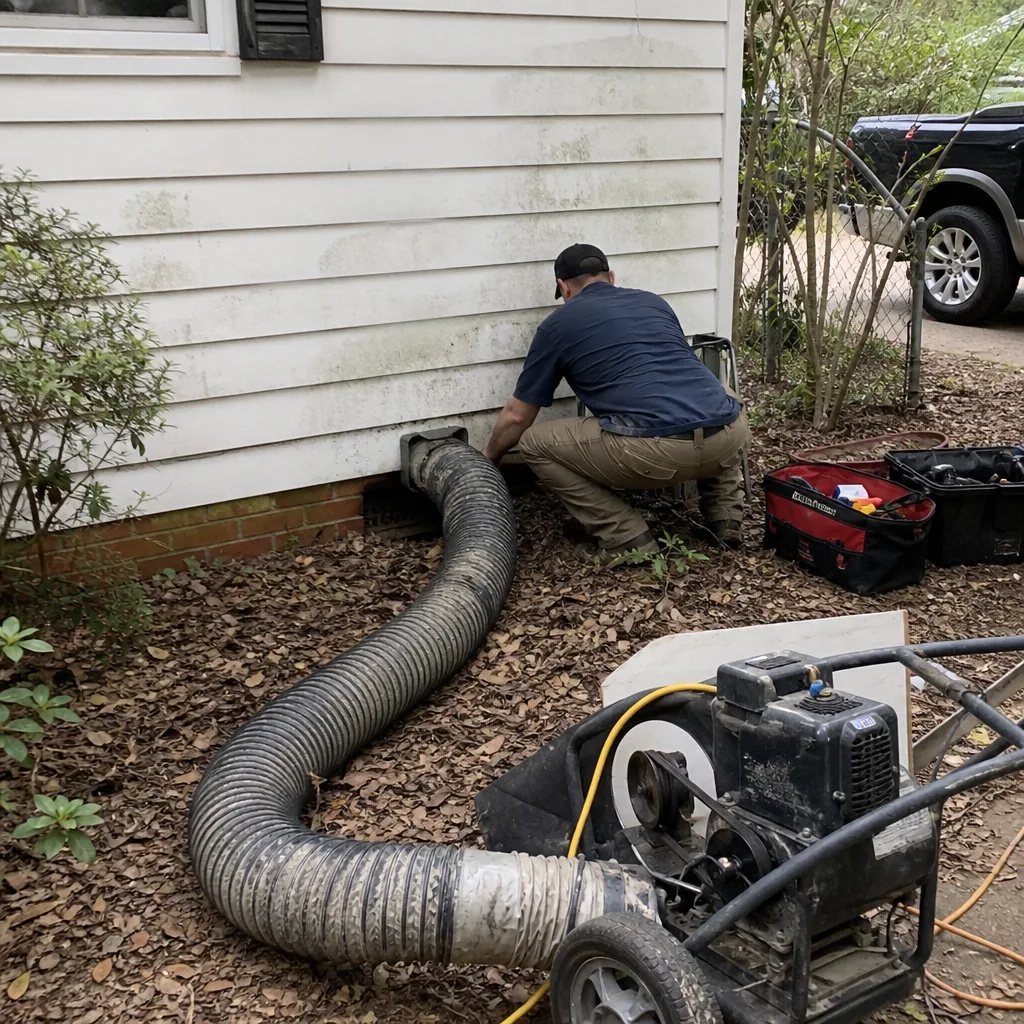
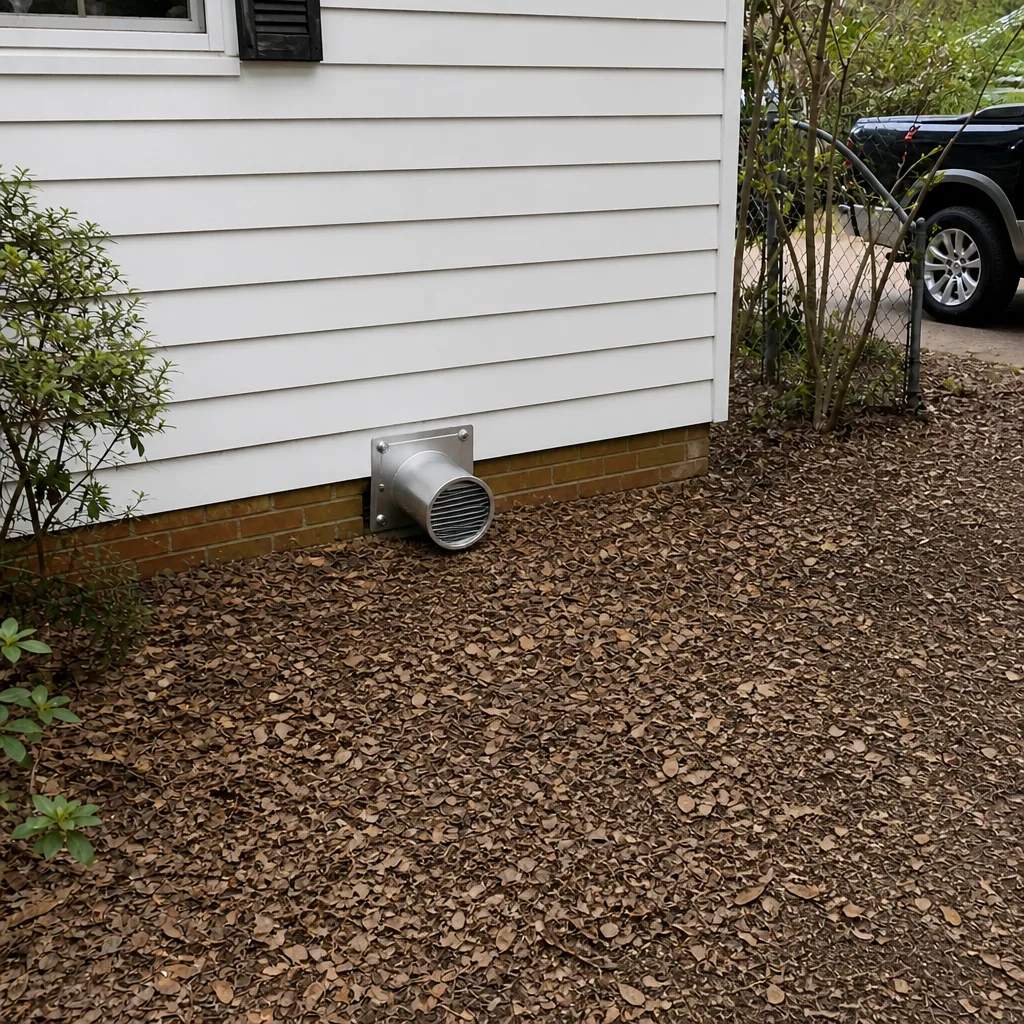
Whole-system duct and dryer vent check with before-and-after photos - you see exactly what came out of your vents
That "$99 whole-house special" is a bait ad - the real number appears once they are in your hallway, or the "clean" is a shop-vac at the register. We photograph the inside of your ducts before and after instead.
DIY vs Professional Air Duct Cleaning: The Gainesville Homeowner’s Decision Guide
Most people assume the only thing standing between them and clean ducts is elbow grease. It isn’t. A shop vac generates roughly 100 CFM of suction. A commercial duct cleaning unit generates 2,000 to 4,000 CFM. That difference isn’t about effort or willingness to get dirty – it’s about a category of tool doing a fundamentally different job. One lifts surface dust; the other pulls debris against the airflow the whole system was designed to move. This guide walks through exactly what a homeowner in Gainesville can do, where the physics stops cooperating, and how to decide which side of the line your system falls on.
Quick Answer
DIY air duct cleaning can handle surface-level register dust, filter swaps, and dryer lint trap clearing, but it cannot replicate the negative pressure, contact agitation, and HEPA containment that professional equipment provides. For a full-system cleaning, particularly in a Gainesville home with flex duct in an unconditioned attic, professional service is the safer and more complete choice. Reach out to Holloway Air Duct Cleaning for a free estimate if you’re unsure which side of that line you’re on.
Styles & brands we work with
- Whole-home duct cleaning
- Dryer vent cleaning
- Camera inspection
- Sanitizing & deodorizing
Table of Contents
- What DIY Air Duct Cleaning Can Actually Accomplish
- The Physics of Why a Shop Vac Can Make Things Worse
- Gainesville-Specific Risk: Flex Duct in Attics
- When DIY Is Genuinely Appropriate
- What Professional Equipment Does That No Consumer Tool Replicates
- What “Clean” Actually Means for a Duct System
- Cost, Effort, and Value in the Gainesville Market
- A Decision Framework You Can Use Today
What DIY Air Duct Cleaning Can Actually Accomplish
Here’s the honest list, because it’s longer than most professionals will admit. A homeowner with a screwdriver and a vacuum can legitimately do several things, and some of them matter.
The most useful DIY task isn’t duct work at all: it’s changing your return air filter on schedule. A clogged filter chokes airflow across the coil and puts strain on the blower motor. In Gainesville, where cooling season runs long and humidity rides high, filters load up with pollen, dust, and pet hair faster than most people realize. Check it monthly during the heavy cooling months. That single habit does more for indoor air quality than any at-home duct scrubbing.
Beyond the filter, here’s what else a homeowner can reasonably handle:
- Register cleaning. Pop off the supply and return grilles and wipe the face, the vanes, and the visible throat behind them. Dust builds up on these surfaces first because they’re in the room’s air path.
- Visual inspection with a flashlight. Look into the register throat and as far down the run as you can see. Note any visible debris, moisture, mold, or disconnected fittings. That information is valuable even if you hire out.
- Dryer lint trap clearing. Empty it before every load. This is the most impactful five seconds of fire-safety work in the whole house.
- Exterior vent screen checks. Make sure return and supply boots aren’t blocked or covered, and that the dryer’s exterior vent flap opens and closes freely with no lint matted around it.
Notice what that list has in common: surface, filter, and inspection work. It doesn’t touch the interiors of the trunk lines, branch run interiors past arm’s reach, or the coil-side plenums. Those are the areas where the real debris accumulates, and they’re exactly the areas where DIY tools can’t reach effectively. In our experience, a homeowner who does everything on that list has improved their situation, but hasn’t cleaned their ducts. If you want to see what the full scope looks like, our page on air duct cleaning walks through what a complete job covers.
The Physics of Why a Shop Vac Can Make Things Worse
This is the part that surprises people, and it’s the heart of the whole question. When you run a shop vac into a duct, you’re introducing a suction source far weaker than the system’s own airflow, and you’re doing it without capturing what you loosen.
Think about what a duct is. It’s a sealed pathway sized for a blower moving several hundred to a couple thousand cubic feet per minute depending on the system. Debris sits along the bottom wall of horizontal runs and clings to the vertical sections of return trunks. A shop vac can lift loose dust sitting right at the opening. But it cannot pull that debris back against the system’s designed direction of flow, and it cannot create a pressure differential across the entire duct network. So what actually happens when someone runs a shop vac into a register and starts scraping?
- The brushing or scraping agitates settled dust and debris along the duct wall.
- Some of it gets sucked into the vac hose. Much of it doesn’t.
- The loosened material becomes airborne inside the duct.
- The next time the system blower runs, that airborne material gets pushed into the living space through the supply registers.
The result is a temporary worsening of indoor air quality before any real improvement, and sometimes no improvement at all – just redistribution. That’s the physics problem. It isn’t that a homeowner doing DIY is reckless or untrained. It’s that the tool hired for the job is a fraction of the strength needed to do it. A commercial negative-air unit connected at the plenum pulls the whole system under negative pressure before any agitation begins, so nothing loosened ever has a path into the rooms.
The volume mismatch is the whole story. Roughly 100 CFM of shop vac suction against 2,000 to 4,000 CFM from a commercial unit isn’t a difference of degree. It’s a difference of kind. That’s before we even get to containment, which matters just as much. If you want the equipment explained in more detail, the team behind Holloway Air Duct Cleaning uses commercial-grade rotary brush and negative-air systems rather than consumer vacs for exactly this reason.
Gainesville-Specific Risk: Flex Duct in Attics
Here’s where DIY gets specifically risky in this market. A large share of homes across Gainesville – including older properties in the Duckpond and Pleasant Street neighborhoods, along with newer builds ringing the city – run flex duct through unconditioned attics. Flex duct is a flexible corrugated tube, often with an insulated outer jacket and a thin inner liner. It’s efficient, it’s economical to install, and it’s fragile.
The inner liner is the problem. It’s a thin plastic film supported only by the wire helix it’s wrapped around. Push a shop vac wand or a consumer brush down a flex run with any force and you can:
- Puncture the inner liner, opening a leak into the attic.
- Tear the liner loose from its support helix, creating a sag or collapse that restricts airflow.
- Disconnect the flex from its boot fitting or the trunk takeoff, which dumps conditioned air into the attic instead of the room.
- Mash the insulated outer jacket, degrading its R-value and causing condensation in Gainesville’s humid summers.
Any one of those repairs costs more than a professional cleaning of that duct run would have. And the failure is often invisible: the system keeps running, the room just gets warmer, and months may pass before anyone looks in the attic. Professional technicians insert rotary brushes with controlled feed pressure and know when to back off; the tool is engineered for the material it’s inside. That distinction matters more in Gainesville than it does in a market with rigid metal duct throughout.
There’s a second local factor, and it’s less obvious: attics here reach punishing temperatures during the cooling season. Twice the fragility, twice the risk of a homeowner discovering an issue from the room side only after the system has been misbehaving. Every reason to leave attic-side duct work to someone with the right tools and the training to feel resistance through them.
When DIY Is Genuinely Appropriate
We’re not going to pretend every situation calls for a professional. There are real cases where DIY is the right call, and hiring out would be a waste of money.
The clearest case is the new-construction dust-out. A home that just closed, or one that’s about to be occupied, often has fine drywall dust and construction debris settled in the ducts. Many builders run the system during the finish phases and pull that dust into the network. You can often get a lot of progress by:
- Changing the filter before you start, and again after you finish.
- Running the blower on its fan-only setting for a few hours to move air through the system.
- Vacuuming every supply and return register face and the visible throat behind it.
- Repeating the filter change after a week.
That handles the surface layer. It will not clean a system that’s been running through dusty construction for months, but it’s a reasonable first step. Real problems that need a professional intervention get handled at the points where it counts.
Other legitimate DIY scenarios:
- Single-room register cleaning. If one bedroom’s supply register looks dusty, wipe it down and leave the rest alone. There’s no system-wide issue.
- Dryer vent disconnection at the appliance end. Unhooking the dryer from the wall and clearing the short run to the flexible transition duct is reasonable, and it’s worth doing. Anything past that connection, especially the full run to the exterior, is where lint actually accumulates and where a professional with rotary tools makes the difference.
- Seasonal filter swaps. Already covered, but worth repeating: the single most valuable at-home task, and one most people skip.
- Visual inspection and diagnostics. Armed with a flashlight and a phone camera, you can document what you see. That information helps a technician plan the job if you ultimately hire out, and it helps you decide whether to.
If you ever do decide to bring in a professional, do it before you try the deeper scrubbing. Cleaning after a failed attempt at home is more work, and if the flex has been damaged by a wand, the repair is on top of the cleaning.
What Professional Equipment Does That No Consumer Tool Replicates
Professional duct cleaning relies on three capabilities working together. Remove any one and the job is fundamentally compromised.
The first is negative pressure across the full system. A commercial vacuum unit is connected to the trunk line at a strategic point, pressurizing the whole network under negative pressure before any agitation starts. Every bit of loosened debris is under a constant pull toward the vacuum source, not toward the rooms. A shop vac can only pull locally at the point of contact, which means the moment the technician stops vacuuming a specific spot, the remaining debris is free to re-enter the airflow.
The second is contact agitation at branch points. A rotary brush system spins an abrasive head down each branch run, contacting the duct walls as it goes, breaking settled material free. The head size changes based on duct diameter. Feed pressure is controlled by the operator. This is the step that differentiates a professional clean from a surface scrub, and it’s what no consumer brush does well. Holloway Air Duct Cleaning uses a Rotobrush rotary brush system on every air duct cleaning job, and pairs it with a Nikro negative-air vacuum, so the agitation and the containment happen in the same pass.
The third is HEPA collection and air filtration. A serious professional setup doesn’t just suck debris into a vacuum; it filters the exhaust air and, in many cases, runs a separate filtration unit in the work area. Abatement Technologies filtration is used for exactly this: containing and capturing dislodged contaminants so they don’t migrate into the home’s living spaces. That step matters in any home, and it’s specifically valuable in Gainesville homes during the long cooling season when the system runs nearly continuously.
The gap isn’t in the operator’s skill. It’s in the equipment. A homeowner with years of maintenance experience still can’t replicate the three-part system above with tools designed for home use. If you have duct damage rather than just debris, our air duct cleaning and repair work addresses the liner tears and fitting disconnects that DIY attempts can leave behind. For dryer-side concerns, dryer vent cleaning is a distinct safety service.
What “Clean” Actually Means for a Duct System
Before deciding whether to hire out, it’s worth defining what “clean” means, because the two sides of this debate use the word very differently. A homeowner looking at a dusty register tends to judge cleanliness by what’s visible. A professional judges it by four measurable conditions.
A duct system is clean when:
- No visible debris on interior surfaces. The trunk lines, branch runs, and boots are free of settled dust, construction debris, and anything biological.
- Airflow is unobstructed. No sagging flex, no collapsed sections, no blockages caused by debris or loose material.
- The system is sealed. Every connection is tight, every joint is intact, and no duct is dumping conditioned air into the attic or garage.
- The filter manifold is clean. The area around the filter and the coil-side plenum – the transition between filter and equipment – has no built-up dust that will migrate back into the air stream.
DIY vacuums surface dust. It doesn’t clean the interior of the trunk line, the branch run downstream of the visible register throat, or the plenum. Those areas aren’t visible from the room side, which makes them easy to declare clean by omission. Some companies will puff through vents with nothing more than a shop vac and call it done. That’s the level of work you can already do yourself. The difference between a professional clean and a strong DIY effort lives in the parts you can’t see. If you want more context on how neighborhood-specific conditions play in, some of the same issues show up in Gainesville homes across different parts of the city.
Cost, Effort, and Value in the Gainesville Market
This is where the honest math happens. DIY duct cleaning costs very little in materials – a quality shop vac, brushes, some time. But “cheap” and “effective” are two different questions, and in this market they diverge sharply.
The real cost of a DIY attempt that goes wrong is the repair bill, not the shop vac. A punctured flex liner in an attic run means pulling and replacing that section, potentially inspecting the whole system to find where else the wand went, and re-tying connections. That’s a job that costs more than a professional cleaning would have cost in the first place. Most homeowners don’t discover the damage until the system underperforms during a hot Gainesville summer and they start hunting for the cause.
On the professional side, pricing depends on the size of the system, the number of branch runs, and the condition the technician finds when they arrive. Whole-system cleaning isn’t a flat menu item; it’s scoped per home. We don’t quote a teaser price over the phone before seeing the system, because the honest answer is that we don’t know yet. What we do offer is a free estimate and one flat price per system, agreed in writing before any work starts, with no per-vent add-on charges. Before-and-after photos of your own ducts document exactly what was found and what was cleaned.
That last point matters. The biggest reason homeowners hesitate to hire professional duct cleaning isn’t the money – it’s the industry’s reputation for bait-and-switch pricing, the low teaser that becomes a much larger invoice once a technician is on site. Ask for the photos. Ask for the written estimate. Ask what equipment will be on the truck. Those questions separate a real operation from a puff-and-run outfit. Holloway Air Duct Cleaning’s answer is the written flat price, the before-and-after documentation, and the Rotobrush and Nikro equipment brought to your home – not a shop vac.
If you also need dryer vent work, that’s an entirely separate service with its own fire-safety rationale, and it’s often worth doing at the same visit. Lint accumulation in the vent run is one of the leading causes of residential fires, and the vent line isn’t something a household vacuum can clean effectively. If that area hasn’t been looked at in a while, see our page on dryer vent cleaning for what that service covers. It’s not an upsell – it’s a distinct safety service.
A Decision Framework You Can Use Today
Here’s the practical version. Walk through these steps in order and you’ll reach a defensible answer.
- Change the filter. Before anything else, hold the current filter up to a light. If you can’t see light through it, that alone is your problem. Replace it and reassess in a week.
- Inspect and document. Shine a flashlight into every register throat. Photograph what you see. Note any visible debris, moisture, dark staining, or disconnected fittings.
- Check the attic side, if you can safely. Look for sagging flex duct, torn insulation jackets, or disconnected runs. Don’t climb, don’t reach into live equipment, and don’t handle anything near the air handler’s electrical panel. If attic access looks unsafe or you can’t see clearly, stop there.
- Clear dryer lint and check the exterior vent. Empty the trap, confirm the exterior flap opens freely, and clear any lint matted around the cap.
- Decide based on what you found. Surface dust at registers, a recently cleaned system, and no attic concerns? You’re likely fine to keep it DIY for now. Visible debris deeper in the trunk, a torn or sagging flex, dark staining, system-wide dusting in every room, or a “new home smell” that persists – those point to a professional cleaning.
- Get a written estimate. Before any professional work, ask for the scope, the flat price, and the equipment list. A real technician will welcome the questions.
The one shortcut here: if you’re unsure, a professional inspection is free and tells you what you’re dealing with. You don’t have to commit to the work to get a straight answer about whether you need it.
Common Mistakes to Avoid
- Assuming “low CFM = safe.” A weak shop vac doesn’t just fail to clean; it can agitate debris and blow it back into the rooms on the next blower cycle. Volume isn’t the only factor – containment is, and a shop vac has none.
- Inserting consumer brushes into flex runs. Gainesville’s attics hold a lot of flex duct, and the inner liner is thin poly film over a wire helix. One sharp turn with a stiff brush and you’ve punctured the liner or torn it loose from the helix. That repair almost always costs more than a cleaning would have.
- Skipping the filter change during DIY. Cleaning a system while running a dirty filter just loads the new dust back onto the filter, then recirculates it. Change the filter before, and again after.
- Ignoring dark staining and moisture. In Gainesville’s humidity, damp duct surfaces can support biological growth. If you see dark staining or smell a persistent musty odor, that’s not a surface-dust problem, and it isn’t a DIY cleaning problem.
- Believing the “we’ll blow it out” routine. Some operators run shop vacs or air compresses through the vents and call that clean. It doesn’t touch the trunk, the branch run interiors, or the plenum. That’s a job you can already do yourself.
- Forgetting the dryer vent entirely. The most fire-relevant duct in your home is the one behind the dryer, and it gets the least attention. Lint accumulation there is a fire-safety concern, and a household vacuum is neither powerful enough nor safe for professional-level cleaning.
- Hiring without asking about equipment. If a company can’t tell you what rotary brush system and negative-air unit they’ll use, and can’t provide before-and-after photos, keep looking. This trade is crowded with puff-and-run operators.
The common thread: every mistake above is about expectations exceeding what the tool can actually do. DIY duct cleaning isn’t dangerous. It’s just structurally limited, and the ceiling is lower than people think.
See the difference
 Before
 After
 Before
 After
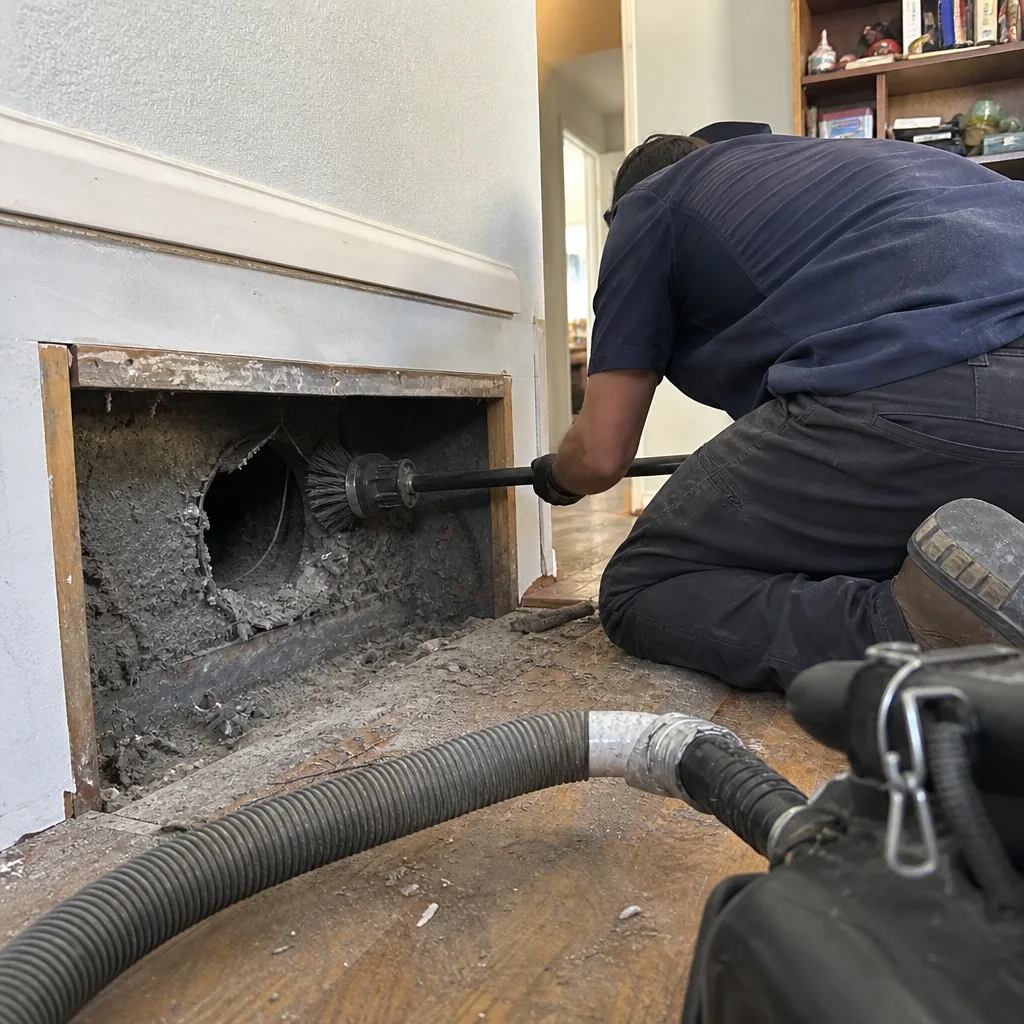 Before
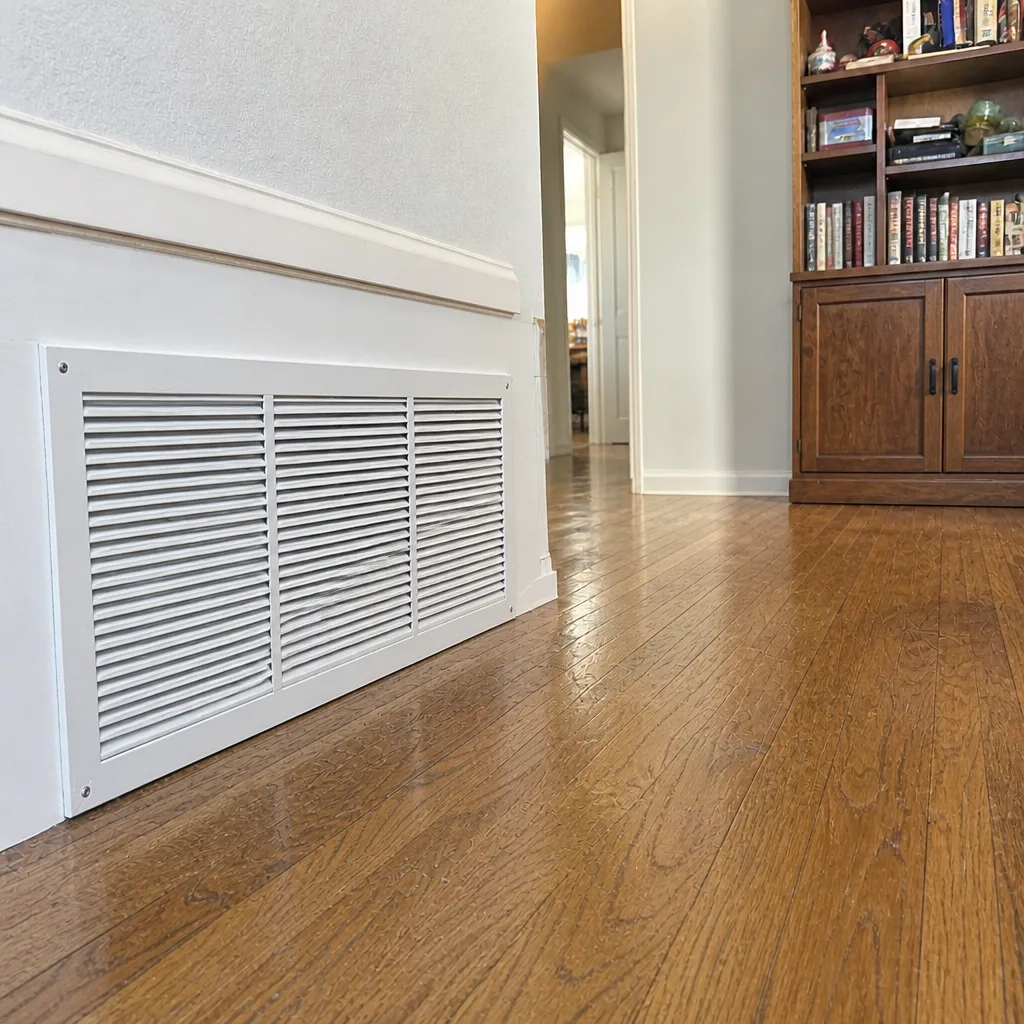 After
When to Call a Professional
Some situations are simply past the DIY line, regardless of how handy you are. Call a professional if you find visible debris in the trunk or a branch run past arm’s reach, if any flex duct is torn, sagging, or disconnected, if there’s dark staining or persistent musty odor coming from the registers, or if dust is visibly accumulating in every room again within days of cleaning. Call us sooner rather than later if a wand has already been inserted into an attic flex run and the system has since lost airflow – that’s a repair concern, not a cleaning one.
The same goes for the dryer vent. If the appliance-end lint trap is clear but the dryer is running hotter than usual or clothes take longer than they should to dry, the vent line itself is likely restricted – and that’s a fire-safety matter, not a maintenance one. The team at Holloway Air Duct Cleaning brings Rotobrush rotary brush systems and Nikro negative-air equipment to every job, plus Abatement Technologies filtration to keep your home clean while we work. Holloway Air Duct Cleaning offers free estimates in Gainesville – call (855) 408-4151.
Frequently Asked Questions
No – a shop vac can clear surface dust at registers and visible duct throats, but it cannot reach the trunk line, branch run interiors past arm’s reach, or the coil-side plenum, and it has no containment. A shop vac generates roughly 100 CFM of suction, while professional negative-air equipment runs in the 2,000 to 4,000 CFM range. That’s a different category of tool doing a fundamentally different job. Call (855) 408-4151 for a free estimate if you need a complete cleaning.
Holloway Air Duct Cleaning quotes per job, with one flat price per system agreed in writing before work starts, and no per-vent pricing. The estimate is free, and pricing depends on system size, branch run count, and the condition found on inspection. Before-and-after photos of your ducts document exactly what was done. Call (855) 408-4151 – estimates are free, and the written price is the final price.
Because where the price is that much lower, what’s being done is different: usually a shop vac puff-through that doesn’t include negative pressure across the full system, contact agitation, or HEPA containment. Those aren’t add-ons, they’re the core of a real cleaning. The biggest reason to verify what equipment a company brings before hiring is the industry’s bait-and-switch reputation. Ask what rotary brush system and negative-air unit will be on the job. Call (855) 408-4151 for a straight answer about what we do.
Ask for before-and-after photos of your own ducts, taken during the job. That’s the documented proof a serious outfit provides. At Holloway Air Duct Cleaning, before-and-after photos are part of every job, and the written estimate you approve upfront is the price you pay. Nothing changes on the invoice after the technician arrives. Call (855) 408-4151 to schedule a free estimate.
There’s no single answer for every home. A reasonable guideline: every few years for most homes, more often if you have pets, a smoker in the home, recent renovation or construction dust, or if you see dust in multiple rooms re-accumulating quickly. In Gainesville’s long cooling season, the system runs more of the year, so filters load up faster – check monthly. For an assessment of your specific system, call (855) 408-4151 for a free estimate.
It’s not dangerous in the sense of shock or injury, but it is risky for your duct system. Gainesville homes often run flex duct through attics, and the inner liner is thin plastic supported only by its wire helix. A consumer brush inserted with force can puncture the liner, tear it loose, or disconnect the run at its fitting. That repair almost always costs more than a professional cleaning would have. Call (855) 408-4151 for a free estimate before doing anything in the attic.
The Bottom Line
DIY air duct cleaning has a place: register dusting, filter swaps, dryer lint trap clearing, flashlight inspections, and new-construction dust-outs handled at the surface level. It’s not dangerous, and none of it is a waste of time. But it runs into a hard ceiling at the physics of airflow. A shop vac moving a fraction of the CFM a commercial unit generates cannot pull debris back against the system’s designed flow, cannot create negative pressure across the trunk line, and has no containment to keep loosened material out of your living spaces. Add Gainesville’s flex duct in attic runs, and the risk of damage during a DIY attempt goes up further.
Use the decision framework above – filter, inspect, document, decide. If the inspection shows surface dust and a recently serviced system, DIY may be all you need for now. If it shows debris deep in the trunk, torn flex, dark staining, or dust re-accumulating across the house, that’s the point where the biggest value comes from equipment a homeowner can’t buy at a hardware store. You can see what’s actually inside your ducts, and the answer usually clarifies the decision faster than reading any guide. We clean, we repair, we clear dryer vents, and the equipment is professional-grade every job.
Free Estimates Across Gainesville
If you’ve read this far and still aren’t sure which side of the line your home falls on, that’s exactly what a free estimate is for: an inspection with a real answer, no obligation. Call (855) 408-4151. We answer 24/7. Fast dispatch from 7am to 7pm, Sunday through Friday. Holloway Air Duct Cleaning brings Rotobrush rotary brush, Nikro negative-air, and Abatement Technologies filtration equipment to every job, quotes one flat price per system agreed in writing before work starts, and provides before-and-after photos of your own ducts.
Written by the team at Holloway Air Duct Cleaning.