
Last updated November 15, 2026
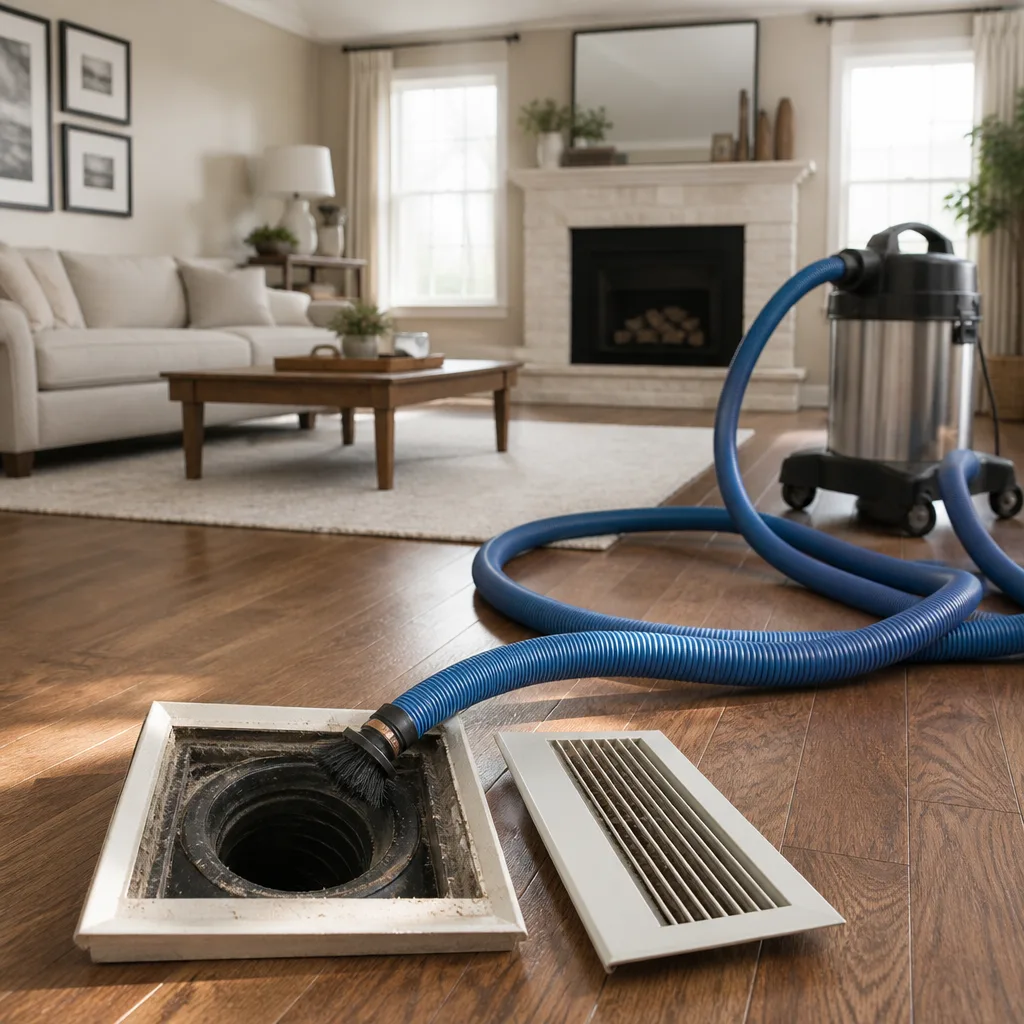 Whole-home duct cleaning
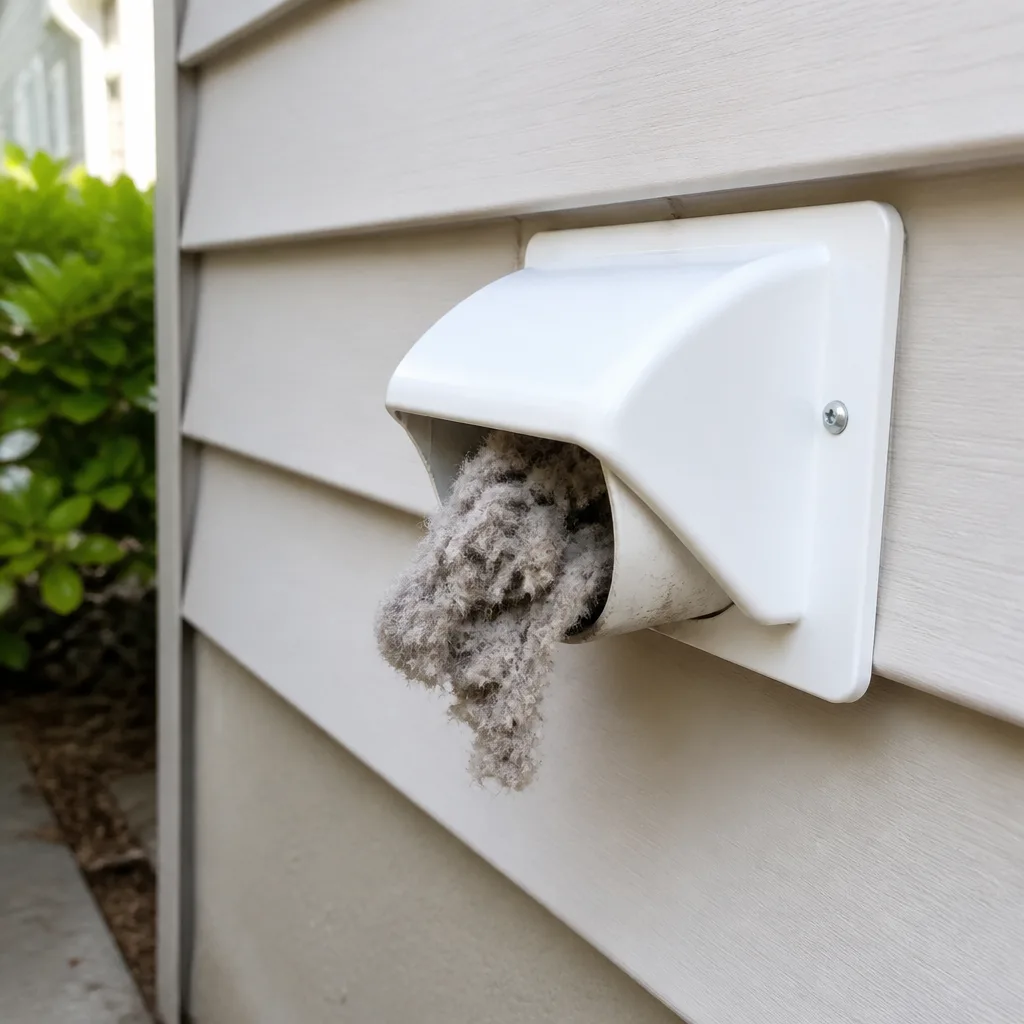 Dryer vent cleaning
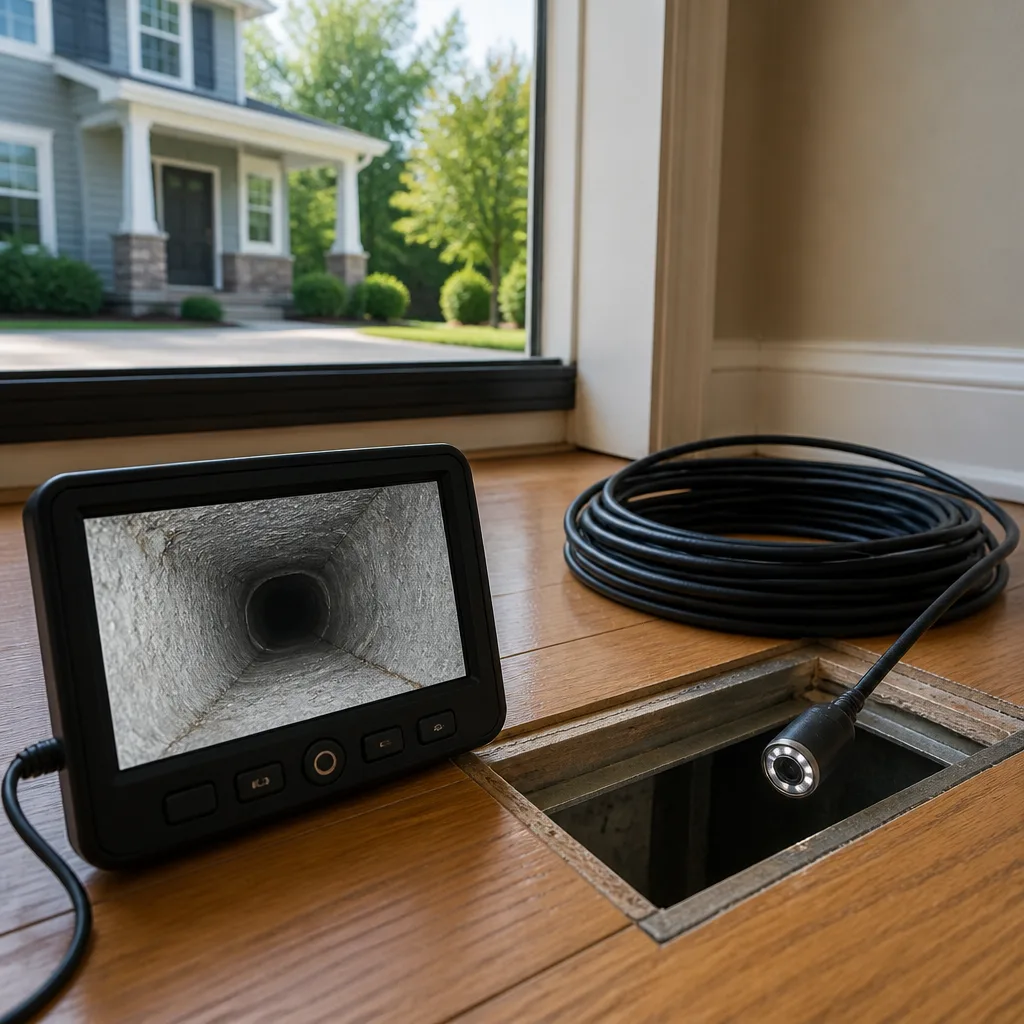 Camera inspection
 Sanitizing & deodorizing
Whole-system duct and dryer vent check with before-and-after photos - you see exactly what came out of your vents
That "$99 whole-house special" is a bait ad - the real number appears once they are in your hallway, or the "clean" is a shop-vac at the register. We photograph the inside of your ducts before and after instead.
Air Duct Cleaning Maintenance Checklist for Gainesville Homeowners
If your HVAC runs ten or eleven months a year, which most Gainesville systems do, the standard “clean every three to five years” advice was written for a different climate and a different machine. A system that never really shuts off pulls air through the same ducts almost constantly, so filters load faster, condensation windows last longer, and small problems show up sooner than national guides predict. This checklist is built around the actual operating calendar of a Gainesville home, not a generic four-season template. You’ll learn what to watch month by month, what you can check yourself, what needs a trained eye, and how to track when cleaning is genuinely due instead of guessing from the calendar.
Quick Answer
Air ducts in Gainesville usually need a full professional cleaning every two to four years, not the three to five years commonly quoted, because near year-round HVAC runtime accelerates dust and biological buildup. Between cleanings, homeowners should change filters every one to three months based on runtime and filter load, inspect registers monthly, and check the dryer vent every few months. A professional inspection matters most after high-wind storms, after any renovation, and whenever you notice musty odors or visible dust at the registers.
Styles & brands we work with
- Whole-home duct cleaning
- Dryer vent cleaning
- Camera inspection
- Sanitizing & deodorizing
Table of Contents
- Why Gainesville’s Climate Changes the Maintenance Calendar
- Month-by-Month Checklist for Gainesville Homes
- Tracking Runtime Hours Instead of Calendar Time
- What You Can Check Yourself vs. What Needs a Professional
- The Dryer Vent Checklist Item Most Homes Skip
- Post-Storm Duct Checklist for Gainesville
- How Often Should Ducts Actually Be Cleaned Here?
- How to Know the Work Was Done Right
Why Gainesville’s Climate Changes the Maintenance Calendar
Gainesville sits in a stretch of north-central Florida where the air conditioner carries the load for most of the year and the heating season is short. That has a direct effect on your ducts. A system that runs continuously moves far more air than one that cycles on and off through a mild summer, and every cubic foot of that air carries dust, pollen, and moisture into the return side. The result is that buildup happens at a rate most national maintenance charts don’t account for.
Humidity is the other half of the picture. When the air handler cycles off during spring and fall, the inside of the ductwork stays cool and damp longer than it would in a drier climate. That’s the window where biological growth takes hold, especially on the flexible duct and interior insulation common in Gainesville homes. Homeowners often describe it as a musty smell that shows up when the system first kicks on. It’s a real signal, not imagination.
There’s also the pollen load. North-central Florida has a long, heavy pollen season, and much of that material gets pulled into the return before the filter catches it. Homes near the tree cover in neighborhoods like Haile Plantation and Millhopper tend to see it first.
- Long cooling season means more air cycles through the system each year
- Humid shoulder seasons create condensation windows inside ductwork
- Heavy pollen and dust load shortens filter life
- Flexible duct and interior insulation are common, and both hold moisture
- Systems that never really rest accumulate buildup faster than the national average
That combination is why we treat the maintenance calendar here as its own thing. Some of our Gainesville customers are surprised to hear that a two-year interval is reasonable for their home when the internet says five. It depends on the house, but the climate tilts the math.
Month-by-Month Checklist for Gainesville Homes
Rather than a four-season template, this checklist follows the way a Gainesville HVAC system actually runs. Some months are heavy-use months where you mostly watch and maintain. Others are shoulder seasons where inspection is easier because the system rests more.
- January and February: Check filters monthly even though heating demand is light. Inspect registers for dust rings around the grille edges. Listen for any change in airflow noise when the system starts.
- March and April: Pollen season begins. Expect filters to load faster, and check them every two to three weeks. Look at return grilles for visible dust accumulation. This is a good time to schedule a professional inspection if it’s been a while.
- May and June: Cooling season ramps up. Confirm condensate drainage is working, since standing moisture near the air handler feeds biological growth in the ducts. Check for musty odors on startup.
- July and August: Peak runtime. Stick to filter changes and visual checks. Avoid opening ductwork or removing grilles during peak heat unless you’re replacing them, since the system is moving a lot of air and any gap becomes an entry point.
- September and October: Shoulder season. Runtime drops, which makes inspection easier and less disruptive. This is a practical window for cleaning or repair work.
- November and December: Holiday season and heavier indoor activity. Vacuuming, cooking, and extra foot traffic increase particulate load. Check filters and registers before guests arrive, and confirm dryer vent flow is strong.
The point of tying items to months is that Gainesville’s usage cycle doesn’t match the calendar most maintenance guides assume. When the system runs through a long cooling season, the natural inspection windows land in the shoulder months.
Tracking Runtime Hours Instead of Calendar Time
The single biggest flaw in generic duct maintenance advice is that it measures time in years. Ducts don’t accumulate buildup on a calendar. They accumulate it in proportion to how much air moves through them, which is a function of runtime hours and the particulate load in that air.
Here’s a practical way to think about it. A Gainesville home with a system running through most of the cooling season logs far more runtime hours per year than a home in a milder climate running a comparable-sized system. If the generic guidance is “clean every three to five years,” the same runtime-based interval translates to a shorter calendar interval here. That’s not a sales pitch. It’s arithmetic.
Filter consumption is your cheapest proxy for runtime load. If you’re changing filters every month instead of every three months, the air is carrying more particulate and the return side is doing more work. When your filter consumption climbs noticeably, that’s a signal worth acting on, even if the calendar says you’re not due yet.
- Track how often you actually change filters, not how often a guide says you should
- Note the month each filter change happens for a full year
- If you’re changing more than four times a year, consider an earlier inspection
- Runtime over a full year is a better guide than time since last cleaning
- Homes with pets, recent renovations, or heavy pollen exposure shift the math further
You don’t need to log hours precisely. Watching filter consumption over a year is enough to tell you whether your home is on the heavier side of the curve. For a deeper look at what the cleaning itself involves, our air duct cleaning page walks through the equipment and process.
What You Can Check Yourself vs. What Needs a Professional
Homeowners can observe more than they’re usually told they can. The distinction isn’t about who is qualified to unscrew a grille. It’s about which signals matter and what a trained eye can see that you can’t from the floor.
What you can check yourself:
- Visible dust buildup on or around supply and return registers
- Musty or dusty odors when the system starts up, especially after a rest period
- How often filters are loading and what they look like when you pull them
- Weak airflow from a particular register compared to others
- Visible dust streaks on ceiling or wall around a grille
- Dryer vent lint accumulation around the exterior flap
What needs a professional inspection:
- The interior condition of duct runs (dust depth, insulation integrity, moisture)
- Whether flex connections at trunk lines are sealed and intact
- Signs of biological growth inside ductwork that you can’t see from a register
- Whether the air handler and coil are contributing to duct contamination
- Whether previous cleaning was actually thorough or just surface work
The reason this matters is that the biggest problems in Gainesville homes often hide where you can’t see them. A run of flexible duct running through an attic, or a connection that’s loosened over years of cycling, won’t show up at a register. An inspection with proper equipment – we use Rotobrush rotary brush systems and Nikro negative-air vacuums – is how those conditions get caught before they become bigger issues.
The Dryer Vent Checklist Item Most Homes Skip
Dryer vents sit outside the air duct system and outside most maintenance checklists, which is exactly the problem. Lint accumulates in the vent line at a rate that’s accelerated by humidity and extended dryer runtime, both of which are common in Florida homes. The vent line is the one item on this list where the cost of skipping it is measured in fire risk, not just efficiency.
In our experience, a Gainesville household with a family-sized laundry load should treat dryer vent inspection as a parallel item to duct maintenance. It doesn’t always need cleaning on the same schedule, but it needs checking on virtually every cycle of the duct checklist.
- Check the exterior vent flap periodically; if it’s slow to open or stays partially closed, airflow is compromised
- Look at the lint screen and the area around it; heavy lint makes it past the screen and into the line
- If clothes take noticeably longer to dry than they used to, that’s a flow signal worth acting on
- If the vent run is long, or has more than a couple of elbows, the accumulation happens faster
- Flexible foil or vinyl vent lines hold lint worse than rigid metal, so those warrant closer attention
We treat dryer vent cleaning as its own service for exactly this reason. It’s not a bonus add-on; it’s the part of home maintenance that corresponds to one of the leading causes of residential fires. If you’re not sure whether your vent line has ever been cleared, that’s a question worth answering.
Post-Storm Duct Checklist for Gainesville
High-wind events are a recurring part of life in this part of Florida, and they have a specific effect on duct systems that a regular cleaning schedule won’t catch. The problem isn’t usually the storm itself. It’s what happens to the attic runs and flex connections when wind-driven debris and pressure changes work on them.
Here’s a checklist to run after any notable storm:
- Look at the exterior of the home for signs of intrusion. Missing soffit panels, displaced ridge vents, or damaged gable vents mean air and debris can reach attic ductwork.
- Check for visible dust or debris at registers after the storm. If you see an unusual amount of material at supply grilles, something has moved.
- Listen for changes in airflow noise. A newly noisy run usually means a flex connection has come loose or the duct has sagged or separated.
- Look at the attic runs if accessible. Sagging flex duct, disconnected collars, or visible tears in the outer jacket are worth flagging.
- Watch for musty odors after the storm. If a run has taken on moisture, the smell shows up quickly in a humid climate.
- Schedule an inspection if any of the above shows up. A duct that’s lost insulation or come loose at a collar moves less air, puts more load on the system, and pulls in unconditioned air.
This is also where our Holloway Air Duct Cleaning repair service comes in. A connection that’s come loose after a storm isn’t a cleaning problem; it’s a repair, and it needs to be handled before the next cleaning schedule rolls around.
How Often Should Ducts Actually Be Cleaned Here?
For a typical Gainesville home with a system running most of the year, a two to four-year interval is more realistic than the three to five years commonly recommended. Homes with pets, family members with allergies, recent renovations, or heavy pollen exposure should lean toward the shorter end of that range. Homes that are lightly occupied, with newer duct systems and efficient filtration, can lean toward the longer end.
But “how often” is the wrong question when there’s a better one: how do you know it’s due? Runtime and filter consumption are the two best signals. After that, conditions matter. A duct system that’s never been cleaned, or was cleaned years ago by an operator who did surface work, is worth a second look even if the calendar is vague.
- Newer duct systems: inspect on the longer end, unless you see visible dust or odor
- Systems over a decade old: inspect every two to three years, given runtime load
- Homes with pets or allergy-sensitive occupants: every two years is reasonable
- Post-renovation: inspect as soon as the work is finished, since construction dust enters the return
- After any storm with attic intrusion: inspect regardless of schedule
What you’re really deciding is when a professional inspection is worth more than continuing to wait. Our team brings equipment that lets us see into the runs and determine whether cleaning is actually warranted. Homeowners can get a free estimate and a clear picture of condition before making a decision.
How to Know the Work Was Done Right
The most important question on this checklist isn’t when to clean or how much it costs. It’s how you know the work happened. This trade has a reputation problem, and it’s earned. A technician who arrives with a shop vacuum and a manual brush can spend an hour in your home and leave without changing much, and you won’t know the difference unless you’ve got a way to check.
There are a few practical questions that separate thorough work from thin work.
- What equipment is coming into the house? Professional work uses a rotary brush system and a negative-air vacuum, not a shop vac. Rotobrush equipment agitates the duct wall while Nikro vacuums pull material out under suction.
- What’s protecting the living space? Dislodged material has to be contained. Abatement Technologies filtration equipment is the kind of setup that shows containment is being taken seriously.
- Will you show me before-and-after photos? Any operator serious about the work will document it.
- Is the price flat for the whole system, or is it per vent? Flat, whole-system pricing is the honest model. Per-vent pricing invites the low-quote, high-invoice pattern homeowners complain about.
- What about compatibility with my existing equipment? If you have Honeywell or Aprilaire components, you want an operator familiar with those systems rather than someone working blind.
Ask these questions before booking. The answers tell you more than any review. If you’d like to see how our process handles these points, our team can walk you through what a cleaning looks like in person.
Common Mistakes to Avoid
- Going by the calendar alone without considering runtime. A Gainesville system running most of the year needs a shorter interval than national guidance suggests. Filter consumption is a better signal than time.
- Skipping the dryer vent because it’s a separate service. Lint accumulation in a humid climate is faster than most households assume, and the vent line is the one item on this list tied directly to fire safety. Treat it as its own checklist item.
- Assuming a cheap quote is a good deal. In this trade, unusually low quotes are typically followed by an on-site re-quote. A flat whole-system price agreed before work begins is a different model, and it’s the one to look for.
- Not asking what equipment is being used. A shop vacuum and a manual brush don’t produce the same result as rotary brush and negative-air equipment. If the operator can’t tell you what’s coming into the house, that’s the answer.
- Ignoring musty odors as “just Florida.” An occasional damp smell is common, but a consistent musty odor at startup usually signals moisture or biological growth in the duct interior. It’s worth an inspection rather than an open window.
- Skipping inspection after a high-wind event. Flex connections and insulation can come loose in ways that don’t show up until airflow drops. A post-storm inspection is cheap insurance against a bigger repair.
- Assuming new construction or recent cleaning means you’re covered. Construction dust, poor initial installation, and surface-only cleaning can all leave a “clean” system that still needs attention. Ask for evidence, not just a date.
See the difference
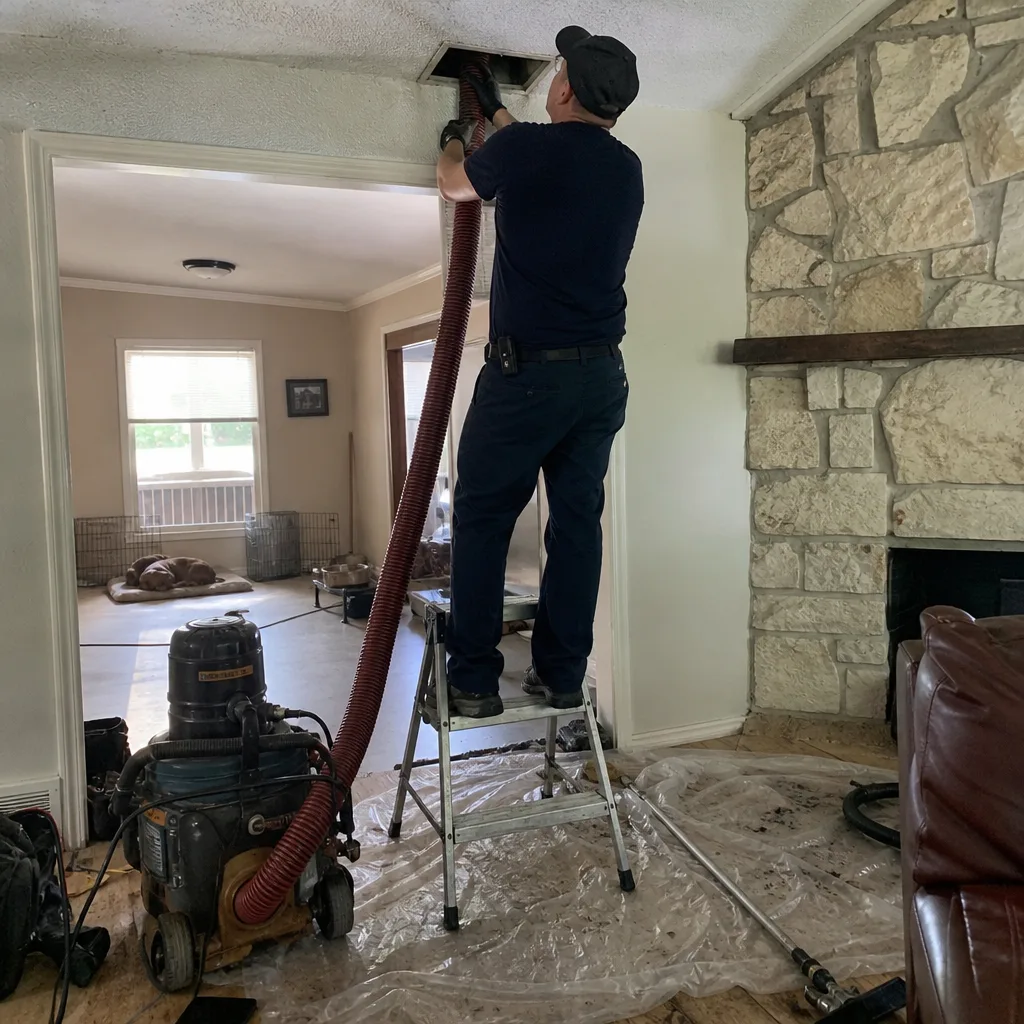 Before
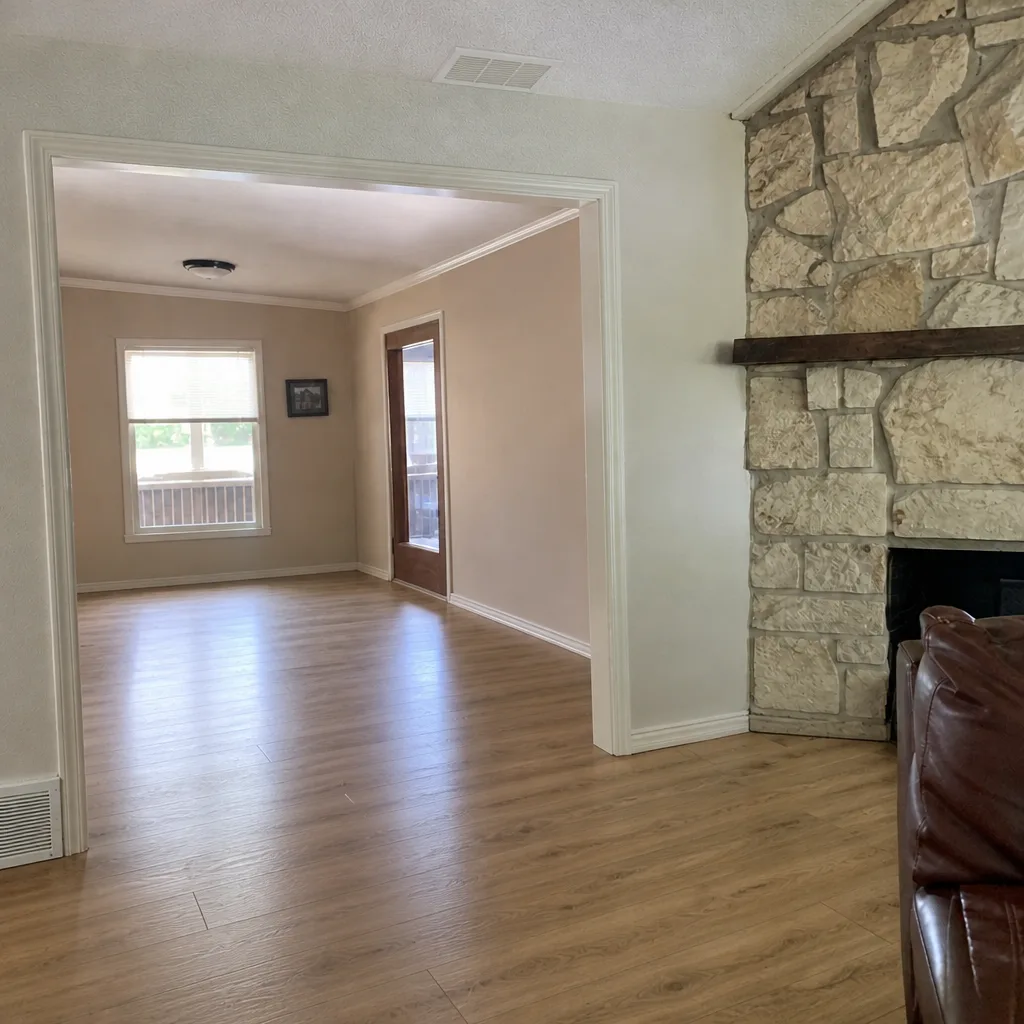 After
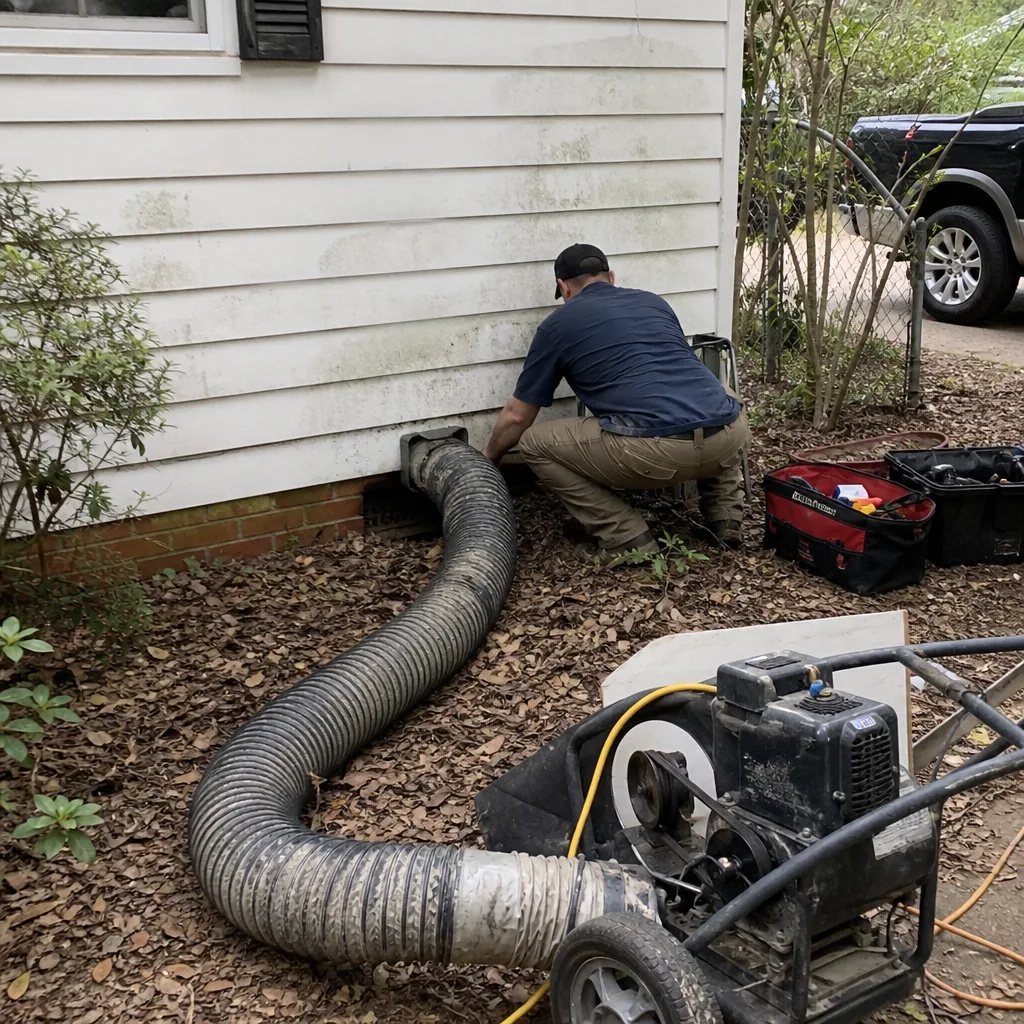 Before
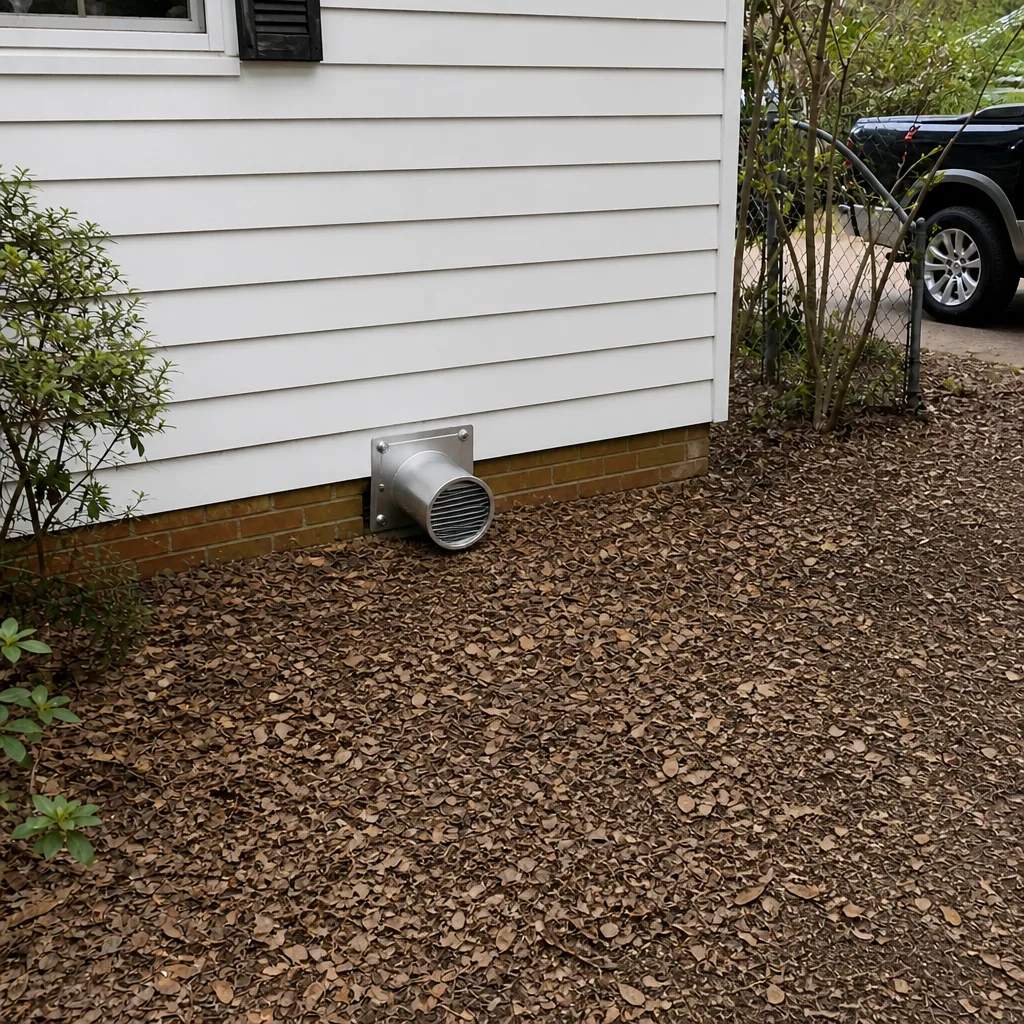 After
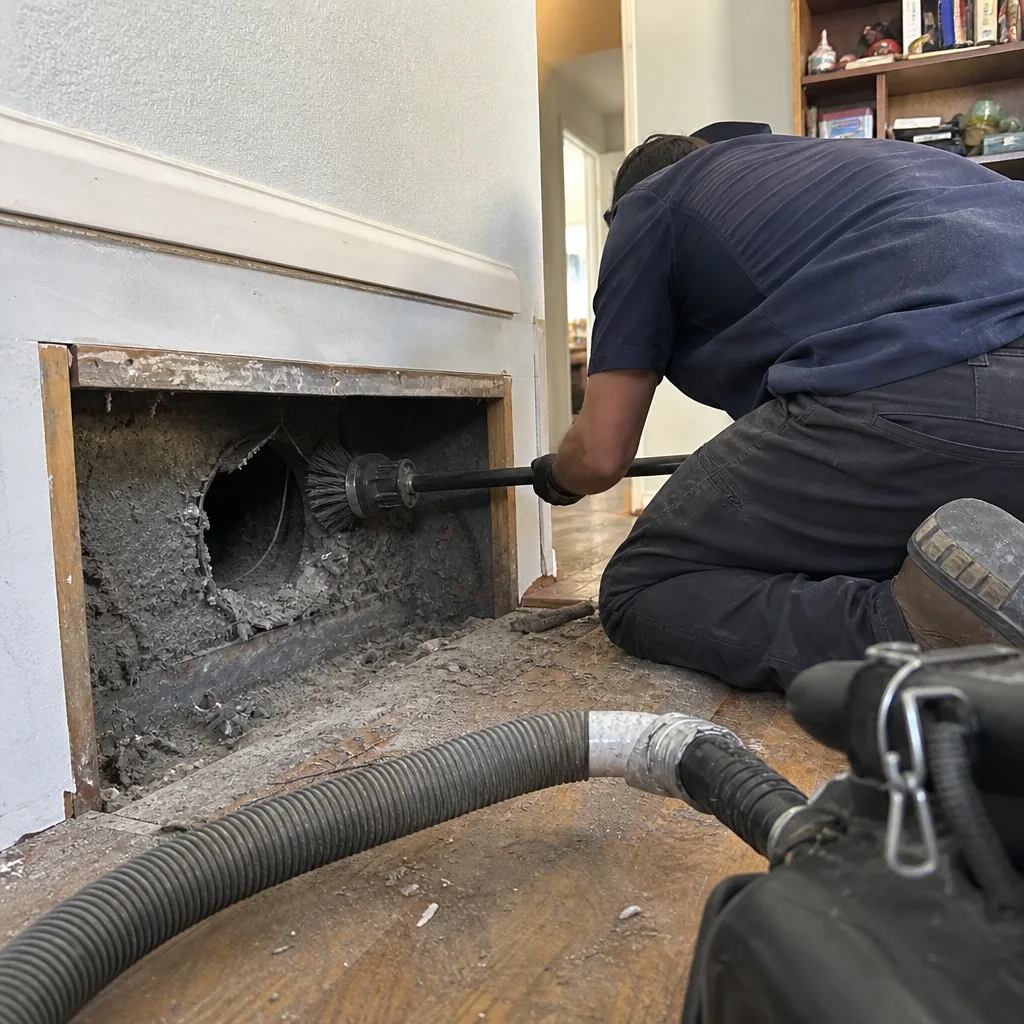 Before
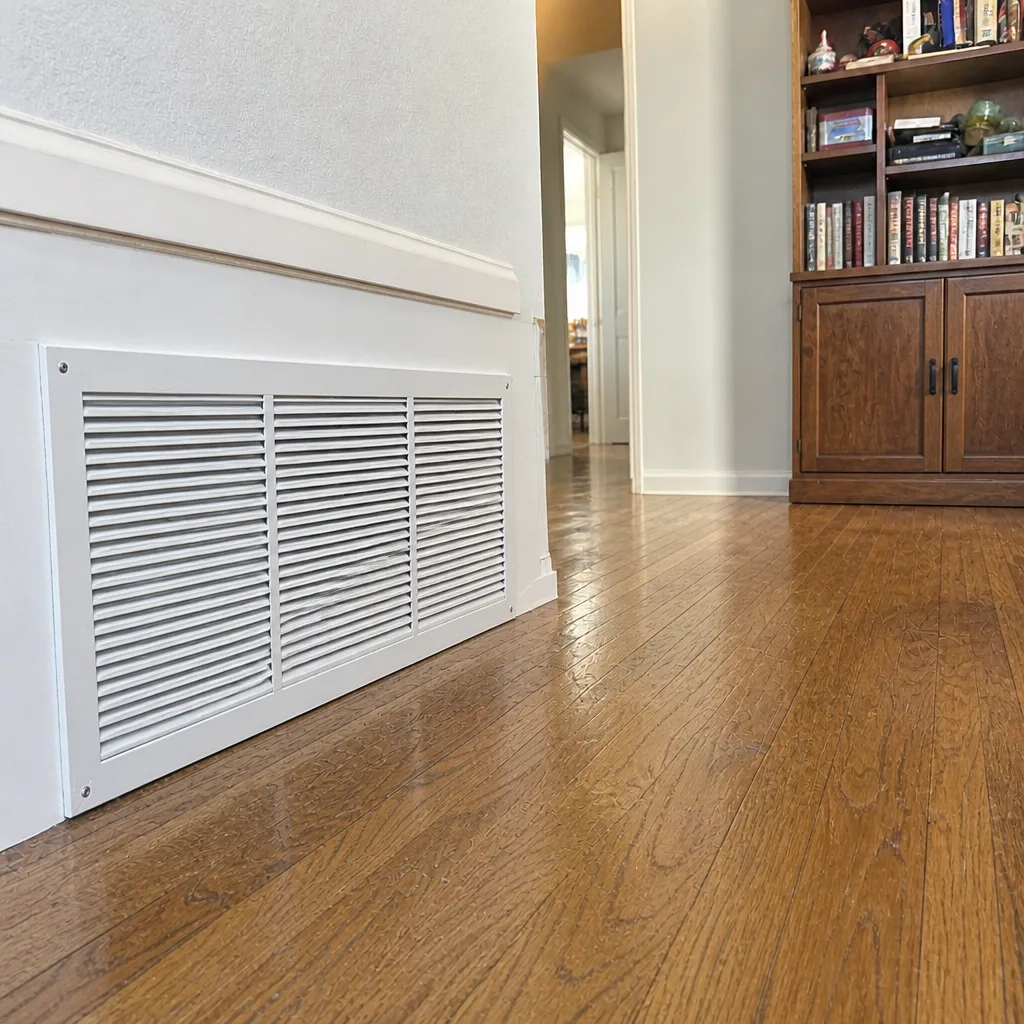 After
When to Call a Professional
There are specific scenarios where the answer isn’t “check the calendar” – it’s “have someone look at this.” You should call when you notice a consistent musty odor when the system starts, visible dust accumulating around registers faster than normal, or a noticeable drop in airflow from some registers compared to others. Post-storm attic damage, recent renovation, or a home you’ve just moved into with an unknown service history are all strong reasons to schedule an inspection. So is any home with allergy-sensitive occupants or heavy pet load.
Holloway Air Duct Cleaning offers free estimates in Gainesville – call (855) 408-4151. Our technicians have up to 9 years of experience, we use commercial-grade equipment including Rotobrush and Nikro, and we price the whole system flat, with photos before and after.
Frequently Asked Questions
Every two to four years is realistic for most Gainesville homes, shorter than the three-to-five-year national guidance because the system runs most of the year. Homes with pets, allergy-sensitive occupants, or heavy pollen exposure should lean toward two years, while newer, lightly loaded systems can lean toward four. Call (855) 408-4151 for an exact assessment.
The dryer vent is the most commonly skipped item and the one tied directly to fire safety. Lint accumulation in a Florida home’s vent line accelerates with humidity and extended dryer runtime, so it warrants checking on the same cadence as the ducts. It’s a separate service from duct cleaning, but not an optional one. Call (855) 408-4151 to book an inspection.
You can observe the outside signals: visible dust around registers, musty odors on startup, filter loading faster than usual, and uneven airflow between rooms. Those are reliable prompts to schedule an inspection. What you can’t see – interior dust depth, insulation condition, and biological growth inside the runs – requires proper equipment to evaluate. Call (855) 408-4151 for a free estimate.
Yes, in specific ways. Storms can move attic air pressure enough to loosen flex connections at collars, tear or displace duct insulation, and push debris into attic runs through damaged soffit or ridge vents. That’s why a post-storm inspection is worth doing even if the calendar doesn’t say you’re due. Call (855) 408-4151 if you’ve seen any signs.
Professional-grade rotary brush systems and negative-air vacuums, not consumer shop vacuums. Rotobrush equipment agitates the duct wall while Nikro vacuums extract the material under suction. Abatement Technologies filtration equipment is used to contain what’s dislodged so it doesn’t enter the living space. If an operator can’t tell you what’s coming into the house, ask why. Call (855) 408-4151 to talk through our process.
Low quotes are often based on a per-vent price that expands once the technician is on site, or on a level of cleaning that doesn’t actually address the duct interior. A flat price for the whole system, agreed before work begins, eliminates the bait-and-switch problem. Ask for before-and-after photos of your own ducts so you know the work was done. Call (855) 408-4151 for an honest, flat estimate.
The Bottom Line
Duct maintenance in Gainesville isn’t the same as duct maintenance in a climate with a real winter and a short cooling season. Systems here run most of the year, which means filters load faster, dust accumulates sooner, and the right cleaning interval is shorter than what national guides suggest. Track your filter consumption, check registers monthly, treat the dryer vent as its own safety item, inspect after storms, and ask a professional for before-and-after photos and a flat price. Call (855) 408-4151 for a free estimate. We answer 24/7. Fast dispatch from 7am to 7pm, Sunday through Friday.
Written by the team at Holloway Air Duct Cleaning.